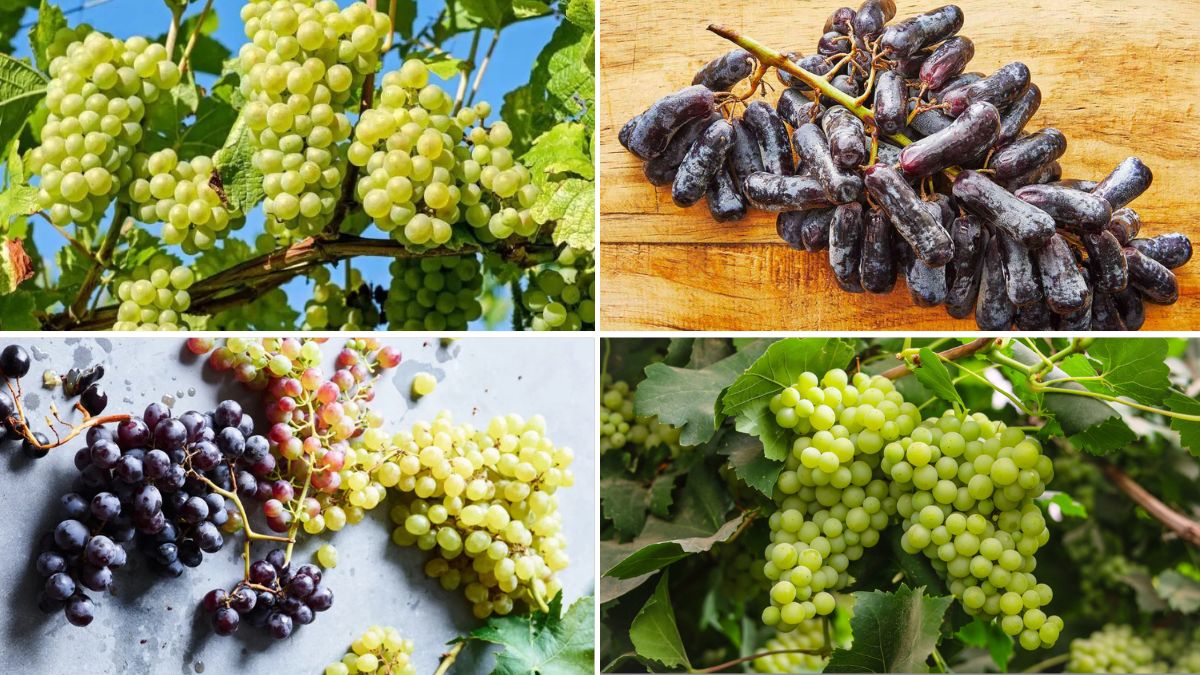
A Detailed Exploration of Global Grape Production
Grapes are one of the oldest cultivated fruits, deeply intertwined with human history, culture, and economy. From fresh eating to juice and world-renowned wines, grapes play a crucial role in agriculture across many countries. Understanding which country produces the most grapes offers insights into agricultural practices, climate influences, and global trade.
So, which country produces the most grapes? This article answers that question and explores grape cultivation, leading producers, economic importance, and challenges in the industry.
The Global Significance of Grapes
Grapes (Vitis vinifera) are grown primarily in temperate climates around the world. They are consumed fresh, dried as raisins, pressed into juice, or fermented to produce wine — making them highly versatile.

Besides their culinary uses, grapes support millions of livelihoods, especially in countries with strong wine industries. The global grape industry is worth billions, with a complex supply chain from vineyard to consumer.
Which Country Produces the Most Grapes?
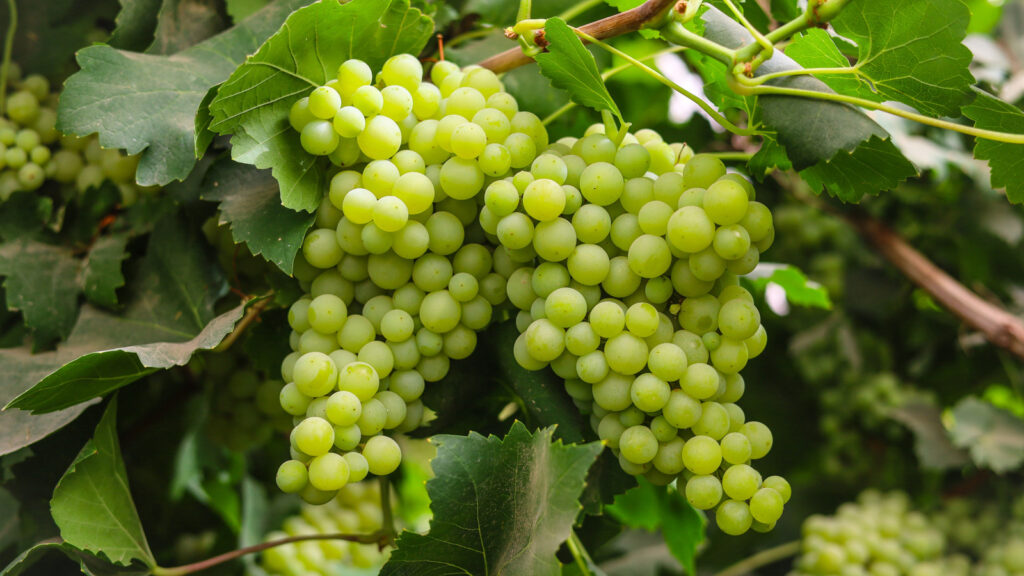
The country that produces the most grapes worldwide is China.
China’s grape production far outpaces other countries, largely due to its massive agricultural land area and growing domestic demand for fresh grapes and wine.

China: The Leading Grape Producer
Key Production Data:
- Annual Production: Over 15 million metric tonnes (recent estimates)
- Global Share: Around 18-20% of the world’s grape production
- Leading Regions: Xinjiang, Shandong, Hebei, Shaanxi, and Liaoning provinces
- Uses: Fresh grapes, raisins, wine, and juice
Why China Leads:
- Vast Agricultural Land: Extensive vineyards across several provinces.
- Government Support: Investments in modern viticulture and wine industry development.
- Diverse Production: Large-scale cultivation of table grapes, raisins, and wine grapes.
- Rising Domestic Demand: Growing middle class increasing consumption of fresh grapes and wine.
Italy: The Heart of Traditional Grape and Wine Production
Italy is a major player in grape production, especially for wine grapes:
- Annual Production: Approximately 8 million tonnes
- Global Rank: Second or third, depending on yearly variations
- Famous Wine Regions: Tuscany, Piedmont, Veneto, Sicily
- Varieties: Sangiovese, Nebbiolo, Pinot Grigio, Barbera, among others
Italy’s viticulture is renowned for quality and tradition, making it a global leader in wine production and grape exports.
United States: Diverse Grape Producer
- Annual Production: Around 7-8 million tonnes
- Key Regions: California (over 85% of production), Washington, New York, Oregon
- Uses: Fresh table grapes, wine (notably Napa and Sonoma Valleys), raisins
California’s vast vineyards dominate U.S. production, driving both fresh grape and wine markets with advanced farming techniques and innovation.

Spain: The Mediterranean Grape Powerhouse
- Annual Production: Approximately 6 million tonnes
- Key Regions: La Rioja, Catalonia, Valencia, Andalusia
- Uses: Fresh grapes, table grapes, wine production (famous for Rioja and Cava)
Spain combines large vineyard areas with a long tradition of grape cultivation and wine-making.
Other Significant Grape Producers

| Rank | Country | Annual Production (Million Tonnes) | Notes |
|---|---|---|---|
| 1 | China | ~15 | Largest producer; fresh, wine, raisins |
| 2 | Italy | ~8 | World leader in wine production |
| 3 | United States | ~7-8 | California dominates |
| 4 | Spain | ~6 | Large vineyard area, diverse uses |
| 5 | Turkey | ~4 | Growing wine and fresh grape markets |
| 6 | France | ~4 | Famous wine regions; quality focus |
| 7 | Iran | ~3 | Traditional grape growing |
How Grapes Are Cultivated
- Climate: Grapes thrive in temperate zones with warm, dry summers and mild winters.
- Soil: Well-drained soils rich in minerals, often with gravel or limestone, are preferred.
- Planting: Vines are usually planted on trellises to maximize sun exposure and airflow.
- Growth Cycle: Dormant in winter, flowering in spring, fruit set in summer, harvest in late summer to fall.
- Harvesting: Timing is crucial, as sugar, acid, and tannin levels influence quality, especially for wine grapes.
Grapes and Wine: A Special Connection
- Around 70% of global grape production is used for wine.
- Leading wine-producing countries (Italy, France, Spain, USA) have significant economic impact from grape cultivation.
- Wine grapes require specific varieties and cultivation techniques different from table grapes.
Economic Importance of Grapes
- Grapes support millions of jobs globally in farming, processing, distribution, and retail.
- The grape and wine industry generates billions in revenue and export earnings.
- Grapes also contribute to tourism, especially in famous wine regions.
Challenges in Grape Production
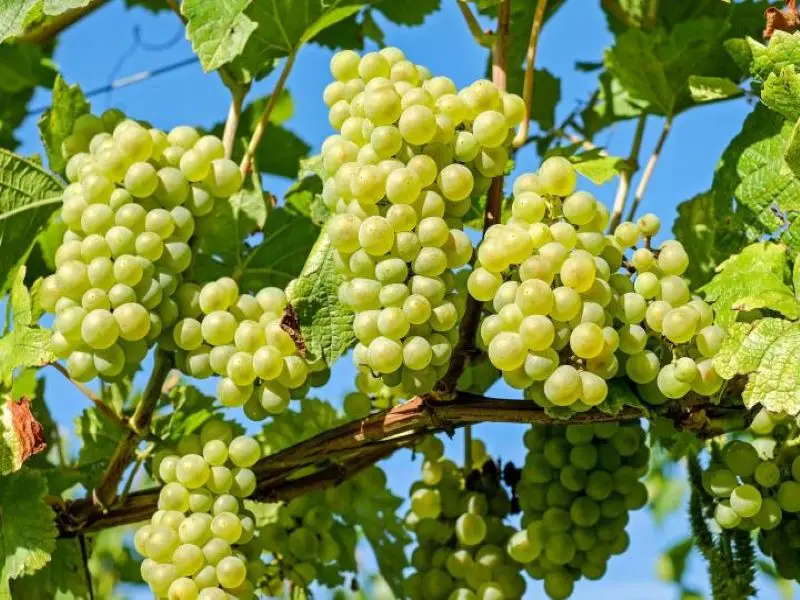
1. Climate Change
- Shifts in temperature and rainfall affect grape quality and yields.
- Warmer climates may alter the suitability of traditional wine regions.
2. Pests and Diseases
- Threats include powdery mildew, phylloxera, and downy mildew.
- Managing these requires integrated pest management and resistant rootstocks.
3. Water Management
- Grapes require precise irrigation, especially in arid regions.
- Water scarcity is a growing concern in many production areas.
4. Market Pressures
- Competition from other fruits and beverages.
- Price volatility and trade barriers.
Innovations and Future Trends
- Development of drought-resistant and disease-resistant grape varieties.
- Precision viticulture using drones, sensors, and AI to monitor vine health.
- Sustainable practices including organic farming and reduced chemical use.
- Growing demand for organic and specialty grapes.
Conclusion: The World of Grapes Today
Which country produces the most grapes?
China leads global grape production by a large margin, driven by extensive vineyards and increasing domestic consumption.
Countries like Italy, the United States, Spain, and France follow closely, particularly renowned for their wine industries.

The future of grape production depends on adapting to environmental changes, improving sustainability, and meeting evolving market demands, ensuring that grapes remain a cornerstone of global agriculture.
Leave a Reply