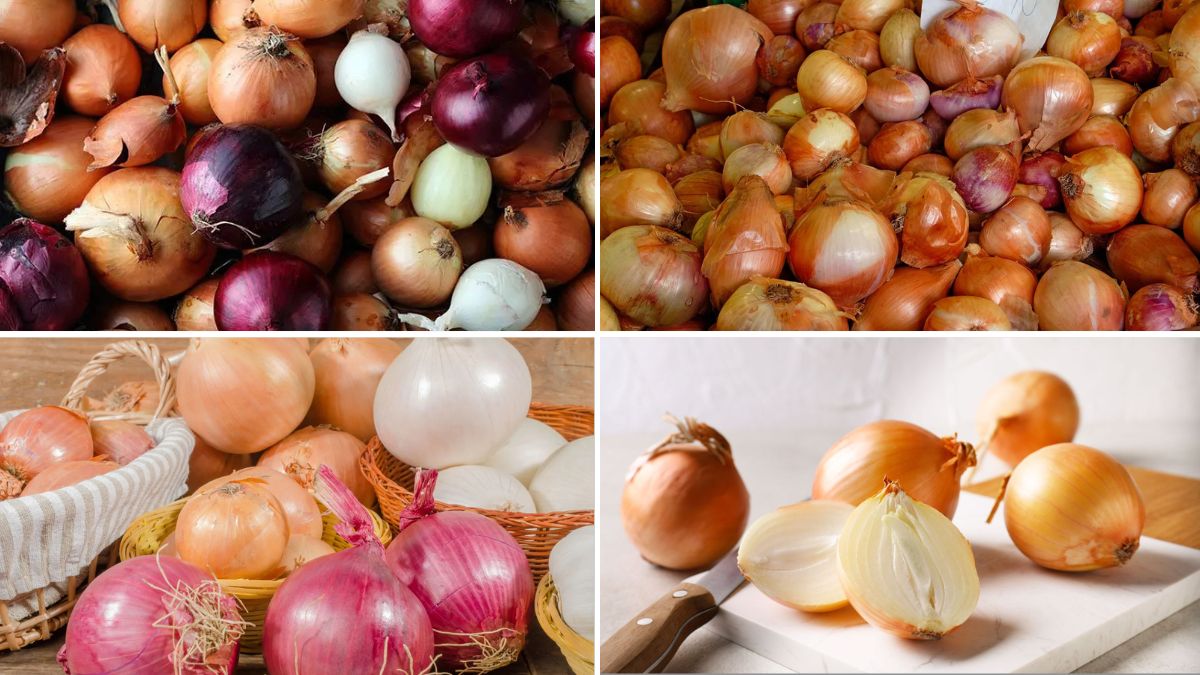
Onions are one of the most widely cultivated and consumed vegetables in the world. From spicing up curries and soups to adding crunch in salads and sandwiches, onions are a culinary essential across cultures. Beyond their flavor, onions also boast medicinal properties and are rich in antioxidants, making them indispensable in both the kitchen and traditional medicine.
But have you ever wondered which country produces the most onions in the world? Understanding the answer not only highlights the global importance of onions but also provides insight into agricultural trends, economic strategies, and cultural preferences worldwide.
The Global Importance of Onion Production
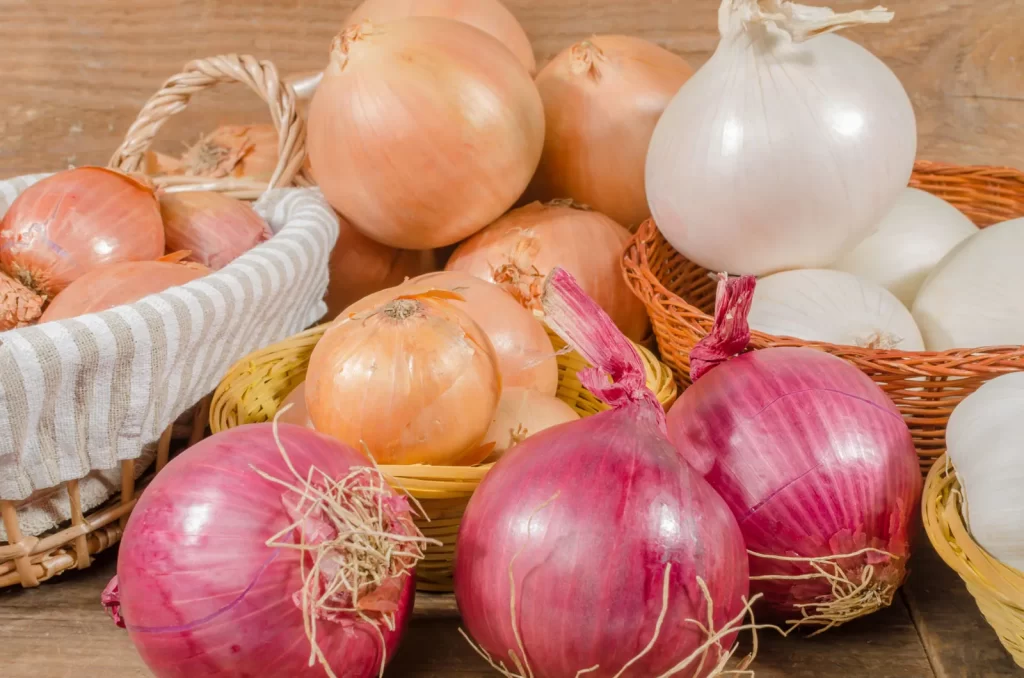
Before diving into the statistics, let’s understand why onion production is significant on a global scale:

- Dietary Staple: Onions are consumed in nearly every country and form a basic ingredient in cuisines ranging from Indian curries to Italian pastas.
- Economic Value: The onion industry contributes billions to global trade, supporting farmers, exporters, and laborers worldwide.
- Adaptability: Onions grow in a wide range of climates, from temperate to tropical regions, making them one of the most versatile crops.
- Storage and Shelf Life: Compared to other vegetables, onions store relatively well, allowing for longer supply chains and international trade.
Given these factors, onion production has become a measure of agricultural strength and efficiency in many countries.
Which Country Produces the Most Onions?
According to data from the Food and Agriculture Organization (FAO), India holds the title of the world’s largest onion producer. While China also ranks at the top, India has consistently maintained its lead in recent years. Together, India and China account for more than half of the world’s onion production.
India: The Global Onion Giant
- Annual Production: Over 25 million metric tons of onions annually.
- Share of Global Production: Roughly 30% of the world’s onions.
- Top Producing States: Maharashtra, Karnataka, Gujarat, Madhya Pradesh, and Rajasthan.
- Climatic Advantage: India benefits from multiple onion-growing seasons—kharif (monsoon), late kharif, and rabi (winter)—ensuring year-round supply.
- Global Exports: India is among the largest onion exporters, with major markets including the Middle East, Southeast Asia, and neighboring countries like Bangladesh and Sri Lanka.
Onions in India aren’t just a crop; they’re a political and economic commodity. Fluctuations in onion prices often spark national debates, with shortages sometimes influencing government policies and even election outcomes.

Other Leading Onion-Producing Countries
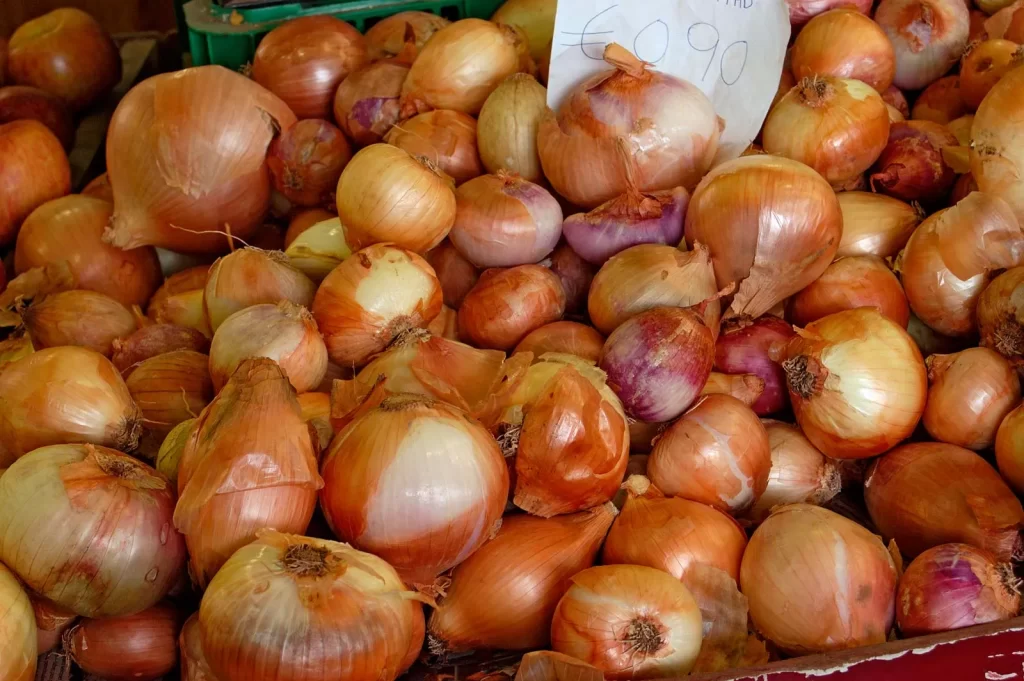
While India takes the top spot, several other countries play key roles in global onion supply.
1. China
- Annual Production: Around 23–24 million metric tons.
- Regions: Major onion-growing provinces include Shandong, Henan, and Inner Mongolia.
- Global Role: While China produces huge quantities, much of it is consumed domestically, given its massive population.
2. United States
- Annual Production: Approximately 3–4 million metric tons.
- Top States: California, Washington, and Oregon dominate onion production.
- Specialty: Known for high-quality yellow, red, and sweet onions, including the famous Vidalia onions from Georgia.
- Export Markets: Canada, Mexico, and parts of Asia.
3. Egypt
- Annual Production: Over 3 million metric tons.
- Advantage: Egypt’s warm climate allows for early harvests, giving it a strong export position in Europe during off-seasons.
4. Turkey
- Annual Production: Nearly 2.5–3 million metric tons.
- Significance: Turkey exports onions extensively to Europe and the Middle East, benefiting from its geographic location.
5. Pakistan
- Annual Production: Around 2 million metric tons.
- Role: Pakistan’s onions are important for domestic use and exports, especially to Gulf nations.
Other notable producers include Brazil, Iran, Russia, and Bangladesh.
Why India Dominates Onion Production
Several factors explain why India leads the world in onion production:

- Favorable Climate: Onions thrive in India’s diverse climates, with growing regions from tropical to semi-arid zones.
- Multiple Growing Seasons: Unlike many countries that have one or two growing cycles, India’s three harvests ensure continuous supply.
- Large Agricultural Workforce: Millions of small and medium-scale farmers cultivate onions across the country.
- High Domestic Demand: Onions are indispensable in Indian cuisine, from curries to chutneys, making them a staple in every household.
- Export Strategy: India’s onion exports strengthen its dominance in international markets, ensuring global reliance on its supply.
Challenges in Onion Production
Despite its dominance, onion production is not without challenges. Both India and other producing countries face issues such as:
- Price Volatility: Sudden changes in weather, such as unseasonal rains, can damage crops and cause price spikes.
- Storage Limitations: Onions are prone to rotting if not stored under proper ventilated conditions.
- Transportation Losses: Poor logistics in developing countries can lead to significant post-harvest losses.
- Climate Change: Rising temperatures and irregular rainfall patterns threaten onion yields worldwide.
Addressing these challenges is crucial for ensuring stable onion supply both domestically and internationally.
Onion Production and Global Trade
Onions are one of the most traded vegetables globally. India and China dominate production, but countries like the U.S., Egypt, and Turkey have carved strong export niches.

- Top Exporters: India, Netherlands, China, and Egypt.
- Top Importers: Bangladesh, Malaysia, United Arab Emirates, United Kingdom, and Russia.
The global onion trade reflects how interconnected agriculture has become. A shortage in India, for example, often leads to ripple effects on prices across Asia and the Middle East.
Future of Onion Production
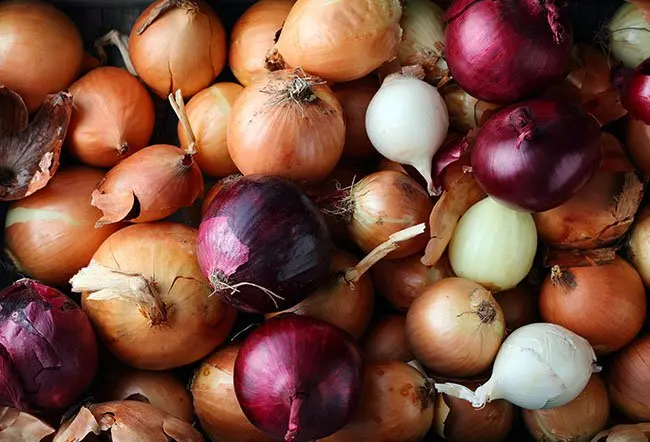
With growing populations and increasing food demand, onion production is set to rise in the coming decades. However, sustainability will be key. Future trends include:
- Improved Storage Technology: Better cold storage and ventilation systems to reduce post-harvest losses.
- Mechanization: Adoption of machinery in planting and harvesting to boost efficiency.
- Drought-Resistant Varieties: Research into onion varieties that withstand heat and require less water.
- Sustainable Practices: Emphasis on organic cultivation and reduced pesticide use.
India and China will likely continue to dominate, but emerging players like Egypt and Turkey are strengthening their export presence in global markets.

Conclusion
So, which country produces the most onions? The answer is clear—India is the world’s leading onion producer, with China following closely behind. Together, they account for more than half of global onion output, highlighting their agricultural power.
Onions may seem like a humble crop, but they carry immense global significance—feeding billions, driving international trade, and even shaping economic and political narratives. As climate change and food security challenges grow, the world will continue to look to major producers like India to meet rising demand for this essential vegetable.
Leave a Reply