A Comprehensive Analysis of Global Tomato Production
Tomatoes are among the most widely cultivated and consumed vegetables worldwide, although botanically classified as fruits. They are a cornerstone ingredient in many culinary traditions and a vital crop in global agriculture. From fresh salads to sauces and juices, tomatoes play an indispensable role in human diets and economies.
But have you ever wondered: Which country produces the most tomatoes? This article explores that question in depth, uncovering the leaders in tomato production, factors influencing cultivation, economic impacts, challenges, and future trends in the tomato industry.

The Global Importance of Tomatoes
Originating in the Americas, tomatoes (Solanum lycopersicum) have become a global staple, cultivated in nearly every country. Their versatility in cuisine and nutritional benefits, including vitamins A and C and antioxidants like lycopene, make them essential worldwide.
Tomatoes are grown both for fresh consumption and for processing into products like ketchup, paste, canned tomatoes, and juices. This dual demand drives a large and dynamic global industry.

Which Country Produces the Most Tomatoes?
The largest producer of tomatoes worldwide is China.
China leads global tomato production by a wide margin, contributing a significant portion of the world’s total output.

China: The Tomato Production Leader
Production Highlights:
- Annual Production: Over 65 million metric tonnes (most recent data)
- Global Share: Nearly 30% of the world’s total tomato production
- Leading Provinces: Shandong, Henan, Hebei, Liaoning, Jiangsu
- Uses: Fresh market tomatoes, canned and processed products, seeds for export
Why China Dominates:
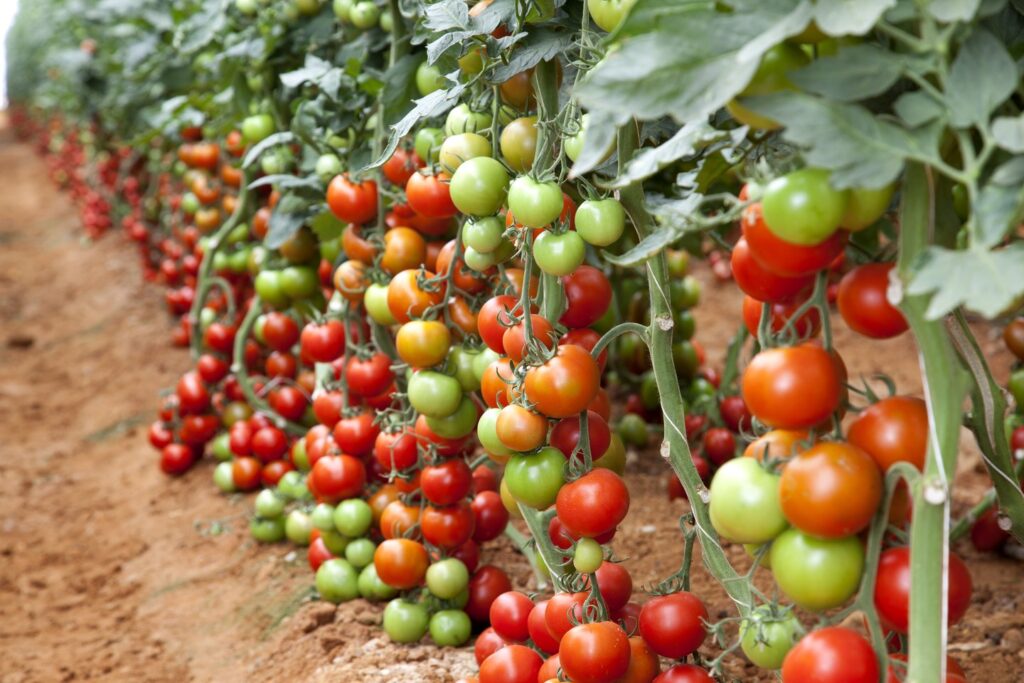
- Extensive Cultivation Area: China dedicates millions of hectares to tomato farming.
- Government Support: Policies supporting vegetable production and investment in greenhouse technology.
- Diverse Growing Conditions: Ability to grow tomatoes year-round in different climates and protected environments.
- Processing Industry: Large-scale processing plants turning tomatoes into paste, sauces, and canned products for domestic use and export.
India: The Growing Tomato Producer
- Annual Production: Approximately 20 million tonnes
- Major Producing States: Andhra Pradesh, Karnataka, Maharashtra, Odisha, Tamil Nadu
- India ranks second globally, with a rapidly expanding tomato industry driven by population growth and rising demand for vegetables.
United States: The Commercial Powerhouse
- Annual Production: Around 14 million tonnes
- Top States: California (dominates fresh and processing tomato production), Florida
- The U.S. is a major producer of both fresh market and processing tomatoes, with California alone responsible for over 90% of the country’s tomato production.
Egypt and Turkey: Key Regional Producers
- Egypt: Around 7 million tonnes, mainly for fresh consumption and export.
- Turkey: About 12 million tonnes, strong in both fresh and processed tomatoes.
These countries play important roles in their regional markets and global trade.
Other Notable Tomato Producers
| Rank | Country | Annual Production (Million Tonnes) | Notes |
|---|---|---|---|
| 1 | China | ~65 | Leading global producer |
| 2 | India | ~20 | Rapidly growing industry |
| 3 | United States | ~14 | Focus on both fresh and processing |
| 4 | Turkey | ~12 | Significant regional producer |
| 5 | Egypt | ~7 | Important exporter |
| 6 | Italy | ~6 | Known for quality and processing |
How Are Tomatoes Grown?
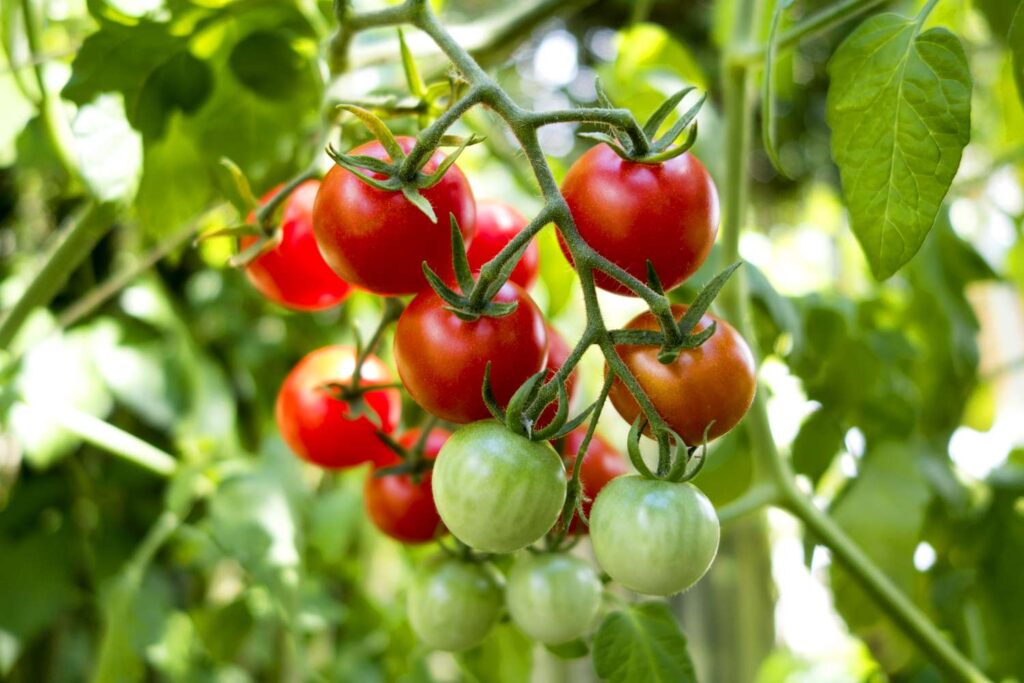
- Climate Requirements: Tomatoes prefer warm temperatures (21-24°C), abundant sunlight, and moderate humidity.
- Soil Conditions: Well-drained, fertile soils rich in organic matter with a pH between 6.0 and 6.8.
- Planting: Typically propagated from seeds or seedlings, planted in open fields or greenhouses.
- Growth Cycle: From planting to harvest generally takes 60-90 days, depending on the variety and climate.
- Harvesting: Handpicked or machine-harvested depending on scale and purpose (fresh market vs processing).
Uses of Tomatoes Globally
- Fresh Consumption: Sliced, diced, or whole in salads, sandwiches, and cooking.
- Processing: Tomato paste, ketchup, sauces, canned tomatoes, juices, and dried tomatoes.
- Seed Industry: China and others export seeds globally, supporting global cultivation.
- Medicinal and Cosmetic: Lycopene-rich extracts are used in health supplements and skin products.
Economic Impact of Tomato Production
- Tomatoes generate billions in revenue worldwide, supporting millions of farmers, processors, distributors, and retailers.
- China’s tomato industry is a major contributor to rural economies, with large-scale farms and family operations coexisting.
- The U.S. tomato industry supports a vast processing sector, including frozen foods and sauces.
- India’s growing population and urbanization boost tomato demand and market growth.
Challenges in Tomato Production
1. Diseases and Pests
- Common threats include tomato blight, fusarium wilt, bacterial spot, aphids, and whiteflies.
- Integrated pest management and resistant varieties are critical.
2. Climate Change and Environmental Factors
- Extreme weather (droughts, floods, heatwaves) affects yields and quality.
- Water scarcity is a growing concern, leading to the adoption of drip irrigation and water-efficient practices.
3. Post-Harvest Losses
- Tomatoes are delicate and perishable; losses during transport and storage can be high.
- Cold storage and efficient supply chains help reduce waste.
4. Market Price Fluctuations
- Tomato prices can be volatile due to seasonal gluts or shortages, impacting farmers’ income.
Innovations and Future Trends
- Development of disease-resistant and climate-resilient tomato varieties using biotechnology and traditional breeding.
- Expansion of greenhouse and vertical farming for year-round production.
- Precision agriculture using sensors and drones to optimize inputs.
- Sustainable farming practices focusing on water efficiency and reduced chemical use.
- Growth of organic tomato markets driven by health-conscious consumers.
Conclusion: The Tomato Landscape Today
Which country produces the most tomatoes?
China stands as the undisputed leader in global tomato production, leveraging vast cultivated areas, government support, and a strong processing industry.
India, the U.S., Turkey, Egypt, and Italy also contribute significantly, reflecting diverse climates, market demands, and production systems.

Despite challenges, the tomato industry continues to grow and innovate, ensuring this beloved fruit remains a key part of diets and economies worldwide.

Leave a Reply