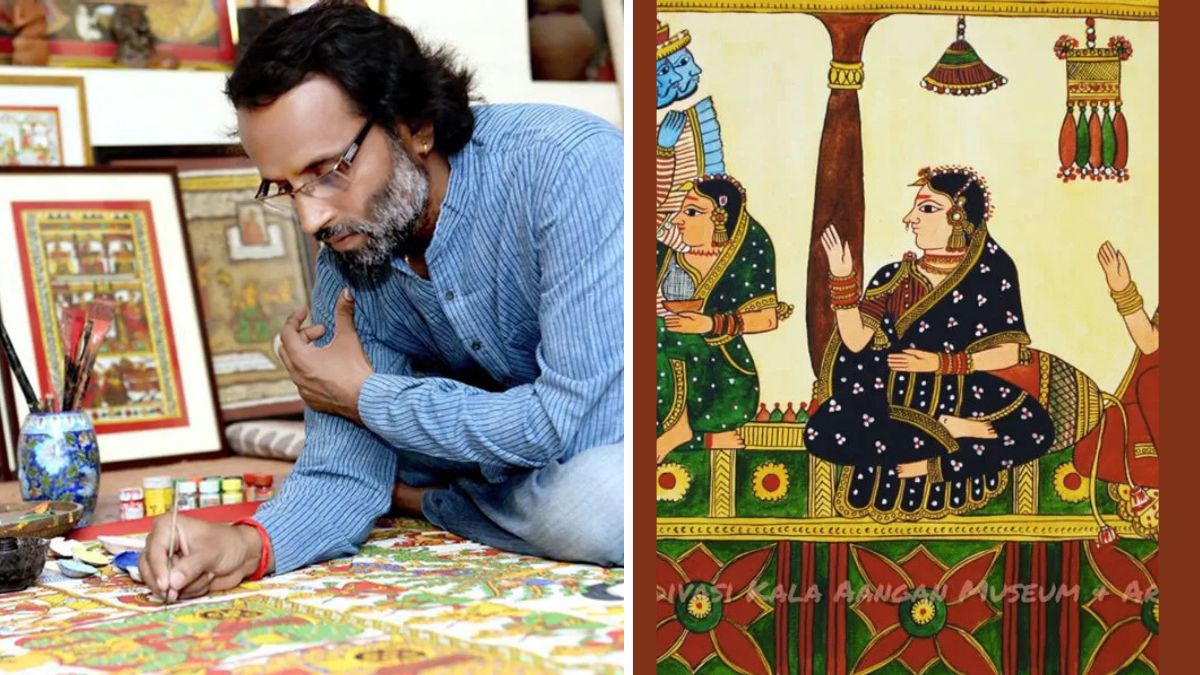
India’s rich tapestry of folk art forms has been a testament to its cultural diversity and artistic heritage. Among these, Phad, Cheriyal, Chitrakathi, Kalighat, and Pithora paintings stand out for their unique styles and storytelling traditions. In recent years, a new generation of entrepreneurs and artists has emerged, dedicated to preserving and promoting these art forms. Here’s a look at five such individuals and their efforts to revive and sustain these traditional paintings.
1. Phad Painting: The Joshi Family’s Legacy
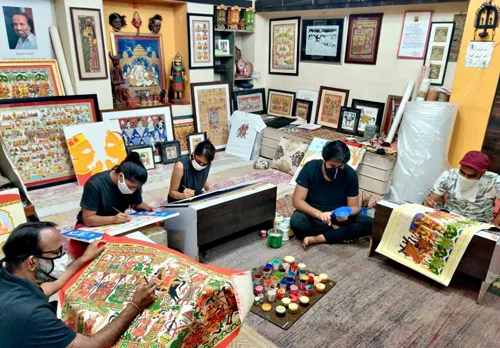
Originating from Rajasthan, Phad paintings are large scrolls that depict the stories of local deities, primarily Pabuji and Devnarayan. Traditionally, these scrolls were used by Bhopa priests during religious performances. The Joshi family from Shahpura, near Bhilwara, has been practicing this art for generations. Their works are characterized by vibrant colors and intricate details, often narrating tales from Hindu mythology.
In recent years, the Joshi family has expanded their reach by collaborating with modern artists and designers. By integrating contemporary themes and promoting their works through digital platforms, they have introduced Phad paintings to a global audience. This fusion of tradition and modernity has breathed new life into the art form, ensuring its relevance in today’s world.

2. Cheriyal Scroll Painting: The Ganesh Family’s Revival
Cheriyal scroll painting, a stylized version of Nakashi art, hails from the Telangana region. These scrolls are painted in a narrative format, much like a comic strip, depicting stories from Indian mythology and local folklore. The Ganesh family from the village of Cheriyal has been instrumental in reviving this nearly extinct art form.
Through workshops and exhibitions, the Ganesh family has educated the public about the significance of Cheriyal paintings. They have also collaborated with educational institutions to incorporate this art form into curricula, ensuring that future generations appreciate and preserve this unique tradition.
3. Chitrakathi Art: The Patankar Family’s Dedication
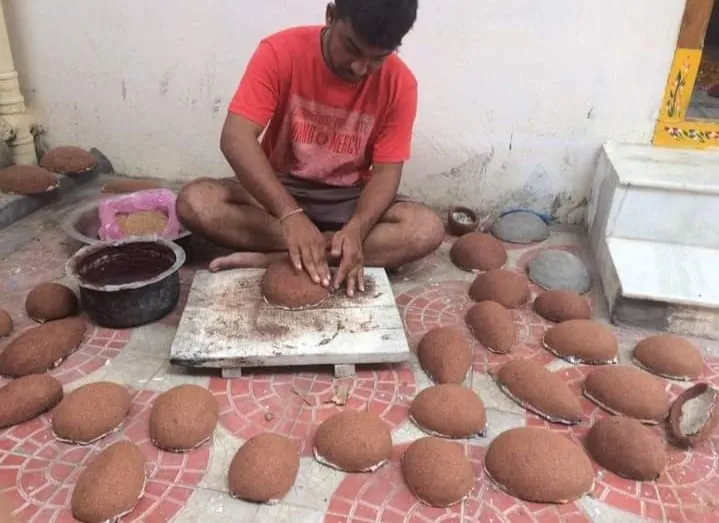
Chitrakathi is an art form that combines storytelling with visual art. Practiced by the Thakar tribal community of Maharashtra, Chitrakathi artists narrate stories using a series of painted sheets, known as ‘pothis’. The Patankar family from Pinguli, a village in Sindhudurg district, has been at the forefront of preserving and promoting Chitrakathi art.

The Patankars have modernized the traditional ‘pothi’ format by creating shorter narratives and incorporating contemporary themes. They have also embraced digital platforms to showcase their works, reaching a broader audience. Through their efforts, Chitrakathi art has found a place in modern art galleries and cultural festivals.
4. Kalighat Painting: The Saha Family’s Innovation
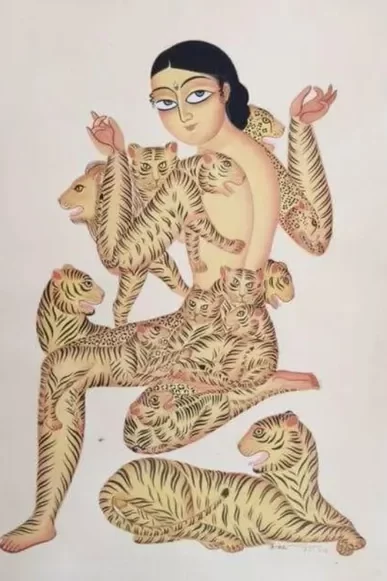
Kalighat paintings originated in the 19th century near the Kalighat Kali Temple in Kolkata. Initially, these paintings depicted religious themes, but over time, they began to portray scenes from everyday life, reflecting the socio-cultural landscape of the time. The Saha family, based in Kolkata, has been instrumental in innovating and promoting Kalighat paintings.
By experimenting with new mediums and techniques, the Saha family has introduced Kalighat art to contemporary audiences. They have also collaborated with fashion designers to incorporate Kalighat motifs into modern apparel and accessories. Through these initiatives, Kalighat painting has experienced a resurgence in popularity.

5. Pithora Painting: The Solanki Family’s Cultural Preservation
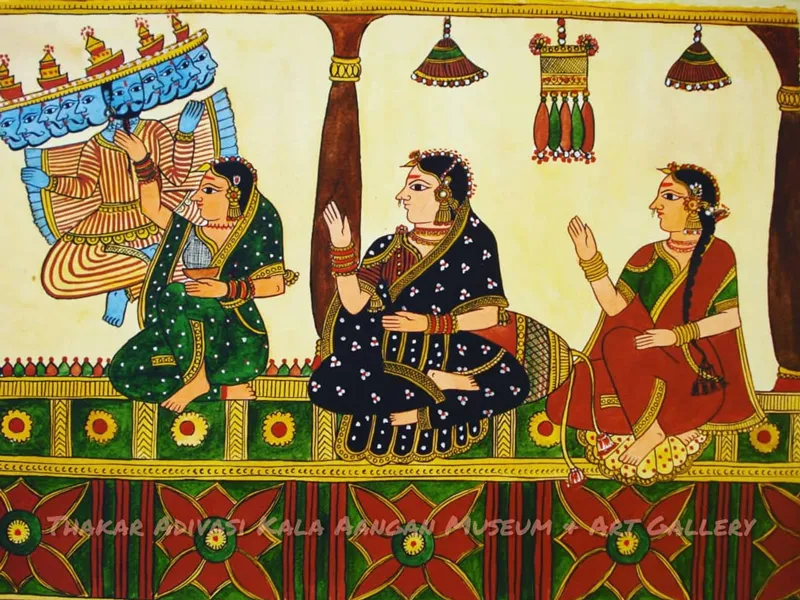
Pithora paintings are traditional wall paintings created by the Rathwa and Bhil tribes of Gujarat and Madhya Pradesh. These paintings are typically made during community rituals and are believed to bring prosperity and protection. The Solanki family from Gujarat has been dedicated to preserving and promoting Pithora art.
The Solankis have organized workshops and cultural events to educate the public about the significance of Pithora paintings. They have also collaborated with architects and interior designers to incorporate Pithora motifs into modern spaces, ensuring that this traditional art form continues to thrive.
Conclusion

The efforts of these five entrepreneurial families highlight the importance of preserving India’s folk art traditions. By integrating modern techniques, collaborating with other artists, and embracing digital platforms, they have ensured that these traditional paintings continue to captivate and inspire audiences worldwide. Their dedication serves as a reminder of the rich cultural heritage that defines India and the need to protect and promote it for future generations.
Leave a Reply