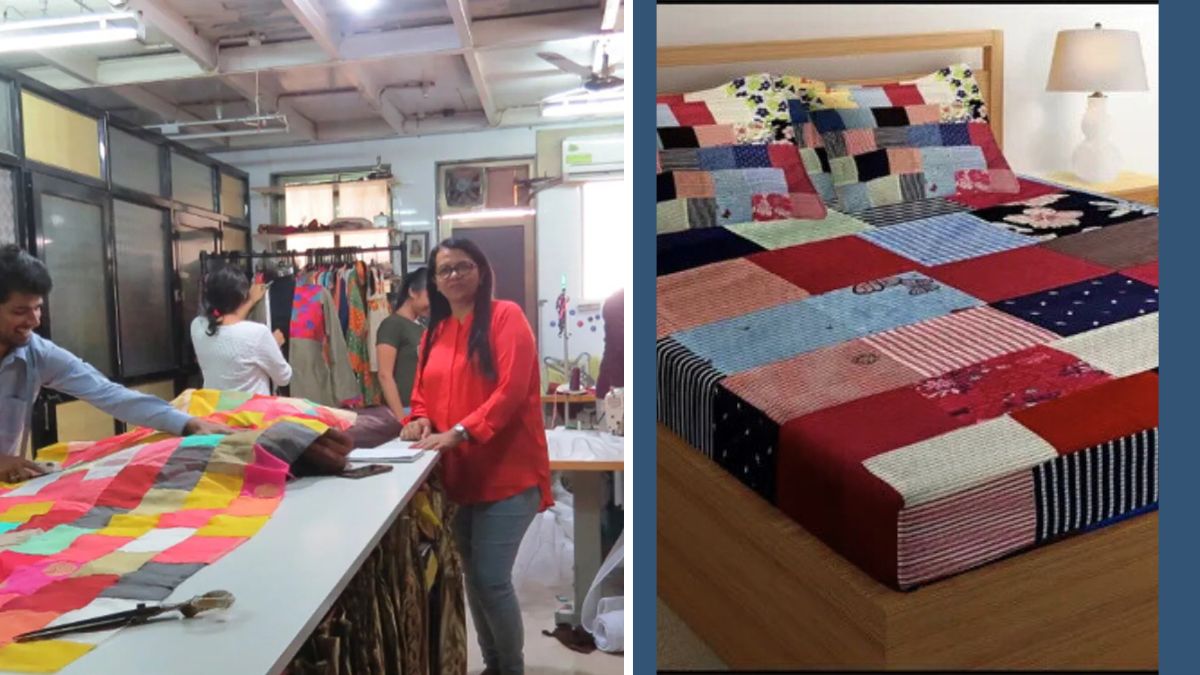
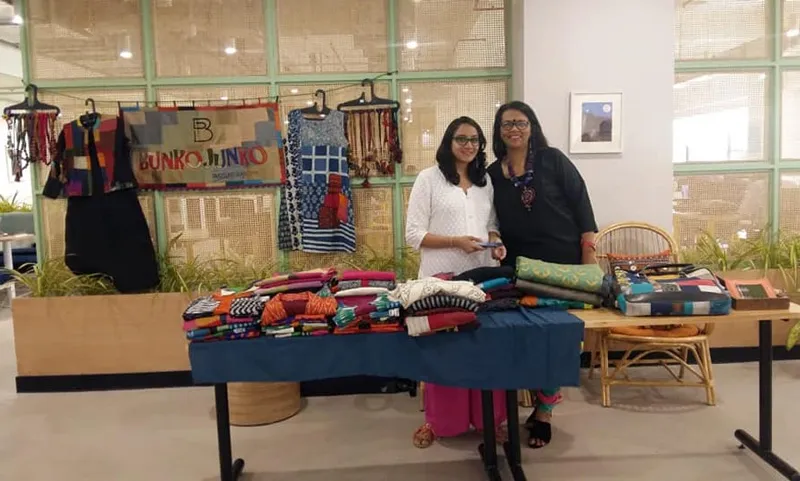
In a world where the fashion industry is one of the largest contributors to environmental degradation, Bhavini Parikh has pioneered a movement that not only addresses this issue but also empowers marginalized communities. Through her brand, Bunko Junko, Bhavini has turned textile waste into wearable art, creating a sustainable fashion line that has garnered attention for its innovative approach and social impact.
The Genesis of Bunko Junko
Bhavini’s journey into sustainable fashion began with her extensive experience in the textile industry. Having worked in various facets of the industry, including embroidery, manufacturing, and design, she was acutely aware of the massive amounts of waste generated during production processes. This realization became the catalyst for her entrepreneurial venture.
In 2018, Bhavini founded Bunko Junko with a clear mission: to upcycle textile waste into stylish, functional, and eco-friendly fashion products. The brand’s name, “Bunko Junko,” reflects its ethos—transforming discarded materials (“junk”) into something beautiful (“bunko,” meaning “beautiful” in Japanese).

Upcycling: The Heart of the Brand
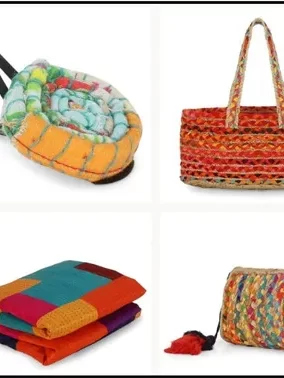
At the core of Bunko Junko’s operations is the practice of upcycling. The brand sources pre-consumer textile waste, such as offcuts and surplus fabrics from garment factories, and repurposes them into unique fashion items. By doing so, Bunko Junko not only reduces the amount of textile waste that ends up in landfills but also conserves resources by minimizing the need for new materials.
The upcycling process involves creative techniques like patchwork, embroidery, and traditional weaving. These methods not only give new life to discarded fabrics but also preserve artisanal skills and promote sustainable craftsmanship. The result is a collection of one-of-a-kind pieces that tell a story of transformation and creativity.
Empowering Women Through Employment
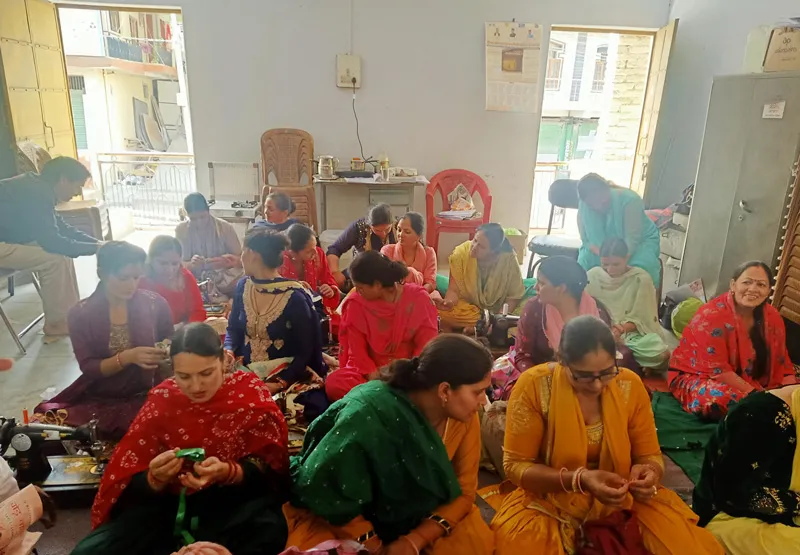
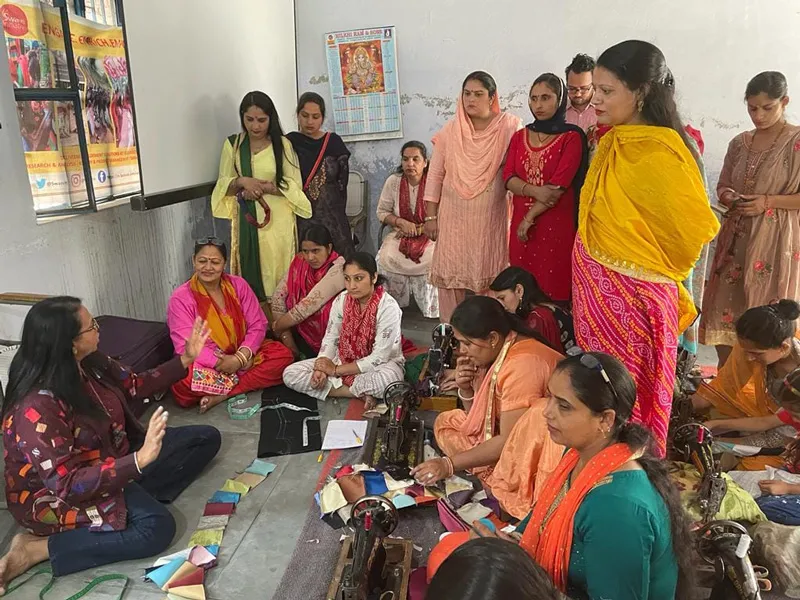
Bunko Junko’s impact extends beyond environmental sustainability; it also addresses social issues by empowering women from marginalized communities. The brand collaborates with women from shelter homes, juvenile centers, and rural areas, providing them with training in skills such as stitching, embroidery, and quality control.

By offering employment opportunities, Bunko Junko helps these women gain financial independence and a sense of purpose. The brand’s commitment to upskilling and providing dignified work has positively affected the lives of over 1,000 women, enabling them to support their families and contribute to their communities.
Achievements and Recognition
Since its inception, Bunko Junko has achieved significant milestones. The brand has been featured in various media outlets for its innovative approach to sustainable fashion and its social impact. Additionally, Bunko Junko has participated in exhibitions and fashion events, showcasing its upcycled collections to a broader audience.
One of the brand’s notable achievements is its recognition as India’s first textile upcycling manufacturer registered with the Ministry of Textiles. This acknowledgment underscores Bunko Junko’s leadership in promoting circular fashion and sustainable production practices.

Challenges and Future Outlook
Despite its successes, Bunko Junko faces challenges common to many small enterprises in the sustainable fashion sector. These include limited access to funding, the need for continuous innovation, and the task of educating consumers about the importance of sustainable fashion.
Looking ahead, Bhavini envisions expanding Bunko Junko’s reach both domestically and internationally. Plans include scaling up production, diversifying product offerings, and strengthening partnerships with other organizations that share the brand’s commitment to sustainability and social empowerment.
Conclusion
Bunko Junko stands as a testament to the power of innovation and compassion in addressing some of the fashion industry’s most pressing issues. Through upcycling textile waste and empowering women, Bhavini Parikh has created a brand that not only produces stylish and sustainable fashion but also fosters positive social change. As the brand continues to grow, it serves as an inspiring example of how businesses can be a force for good, proving that fashion can be both beautiful and responsible.

Leave a Reply