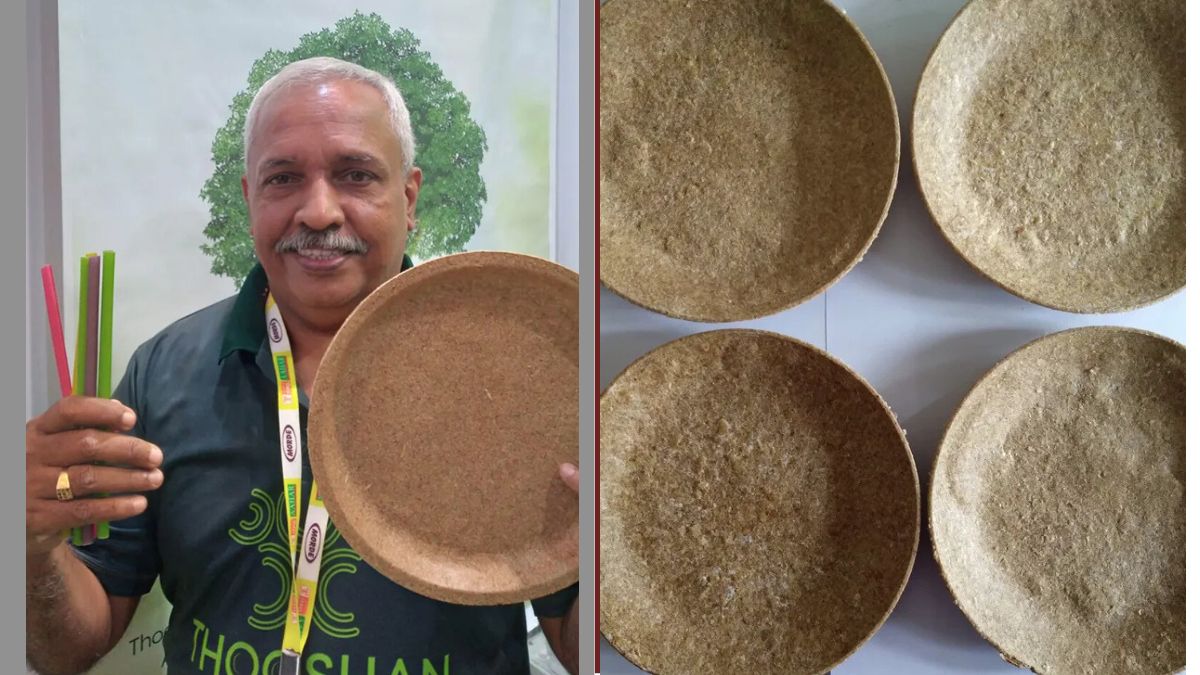
In a world increasingly burdened by plastic waste, innovative solutions are emerging to combat environmental degradation. One such groundbreaking initiative is Thooshan, a Kerala-based startup that has developed edible and biodegradable cutlery made from agricultural by-products. Founded by Vinayakumar Balakrishnan, a geologist turned environmental entrepreneur, Thooshan aims to replace single-use plastics with sustainable alternatives, contributing to a cleaner and greener planet.
Genesis of Thooshan: From Geology to Green Innovation
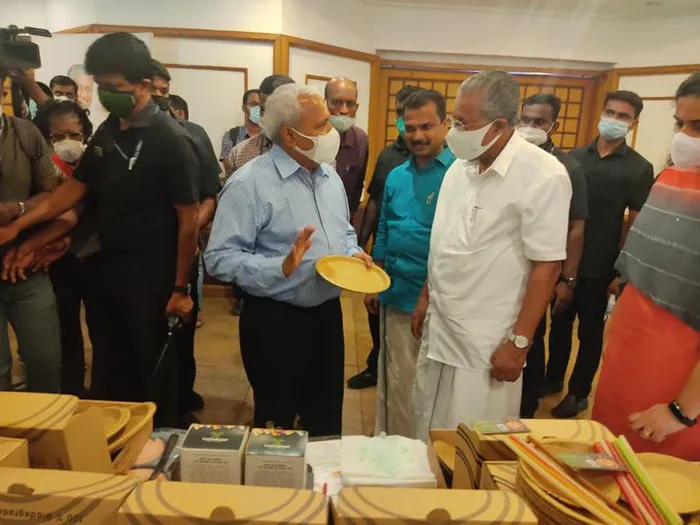
Vinayakumar’s journey towards environmental entrepreneurship began after completing his post-graduation in Geology in 1988. His career trajectory took him through various roles, including positions in the Railway Territorial Army, banking, insurance, and life insurance sectors. However, a pivotal moment occurred in 2013 when he encountered an edible and biodegradable plate at an exhibition in Dubai. Intrigued by the concept, he sought to adapt this technology using India’s abundant agricultural waste.
Determined to find a viable solution, Vinayakumar collaborated with the Council of Scientific & Industrial Research’s National Institute for Interdisciplinary Science and Technology (NIIST) in Thiruvananthapuram. Together, they developed a technology to produce biodegradable plates using wheat bran, a by-product of milling wheat. This collaboration marked the inception of Thooshan, a name derived from ‘thooshanila,’ the traditional banana leaf used for serving food in Kerala, symbolizing sustainability and cultural heritage.

The Science Behind Thooshan’s Cutlery
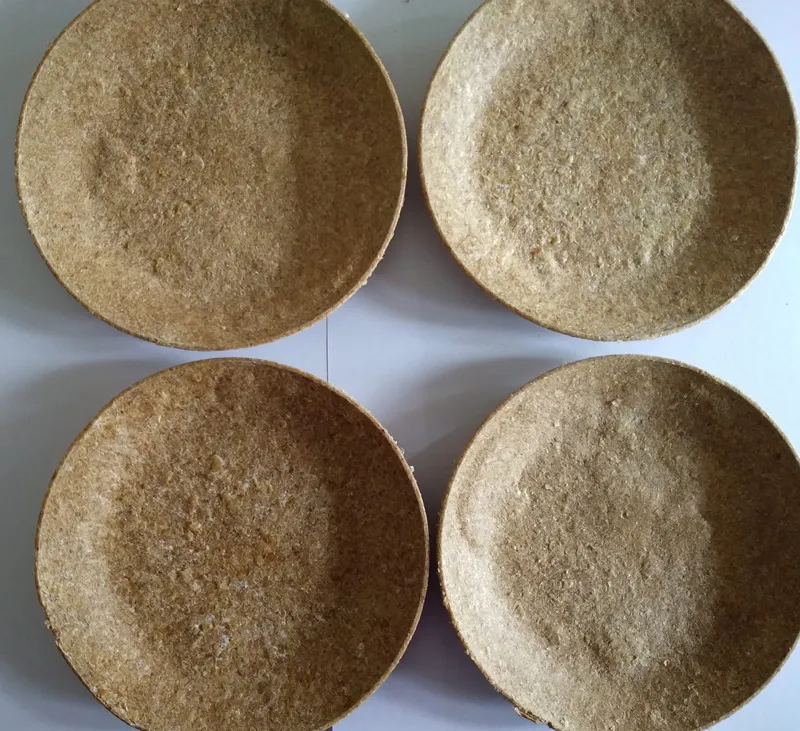
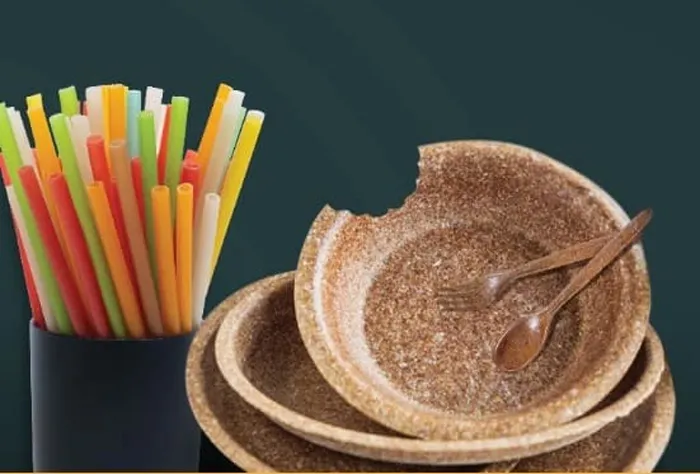
Thooshan’s products are crafted from natural materials such as wheat bran, rice husk, and rice bran, which are typically discarded as agricultural waste. The process involves a dry molding technique that eliminates the need for water, making it an eco-friendly manufacturing method. The plates, bowls, and straws produced are not only biodegradable but also partially edible, offering a unique solution to the plastic pollution crisis.
The production process is highly precise, requiring exact measurements of bran and optimal moisture content to ensure the quality and durability of the cutlery. The fully automated robotic plant in Angamaly, Kerala, is a testament to India’s growing capabilities in sustainable manufacturing. This plant operates under stringent hygienic conditions, producing up to 1,000 plates per day.
Environmental and Practical Benefits
The environmental impact of Thooshan’s products is significant. Unlike conventional plastic cutlery, which can take centuries to decompose and often ends up in landfills or oceans, Thooshan’s products decompose within 30 days, enriching the soil. In cases where the cutlery is not consumed, it can be used as cattle feed, fish feed, or poultry feed, promoting a circular economy.

Additionally, the products are microwave-safe, resistant to fungus and bacteria, and have a long shelf life, making them suitable for various food types, including liquid curries. Their leak-proof design ensures that they can withstand the rigors of modern dining without compromising functionality.
Recognition and Support
Thooshan’s innovative approach has garnered recognition from several prestigious institutions. The startup has been incubated at Indigram Labs Foundation in Delhi, Kerala Agriculture University, and IIT Kanpur. It has also received accolades such as the United Nations Development Program award under the Green Innovation Fund, supported by the Kerala Start-up Mission and Haritha Kerala Mission in 2021. Furthermore, Thooshan was honored with the RKVY RAFTAAR grant by the Union Ministry of Agriculture in 2021, underscoring its potential to drive sustainable change.
Challenges and Future Prospects
Despite the promising outlook, Thooshan faces challenges in scaling production and expanding market reach. The precise manufacturing process requires continuous monitoring and adjustment to maintain product quality. Moreover, raising awareness about the benefits of biodegradable cutlery and encouraging consumers to adopt sustainable practices remain ongoing tasks.

Looking ahead, Thooshan plans to increase production capacity, introduce new product lines, and collaborate with more institutions to promote environmental sustainability. The startup envisions a future where single-use plastics are obsolete, and biodegradable alternatives are the norm in households and industries alike.
Conclusion
Thooshan exemplifies the power of innovation in addressing environmental challenges. By transforming agricultural waste into functional and eco-friendly products, it offers a sustainable alternative to single-use plastics. As the world continues to grapple with the repercussions of plastic pollution, initiatives like Thooshan pave the way for a cleaner, greener, and more sustainable future.
If you would like, I can also create a shorter 500-word version of this article for quick reading. Would you like me to do that?

Leave a Reply