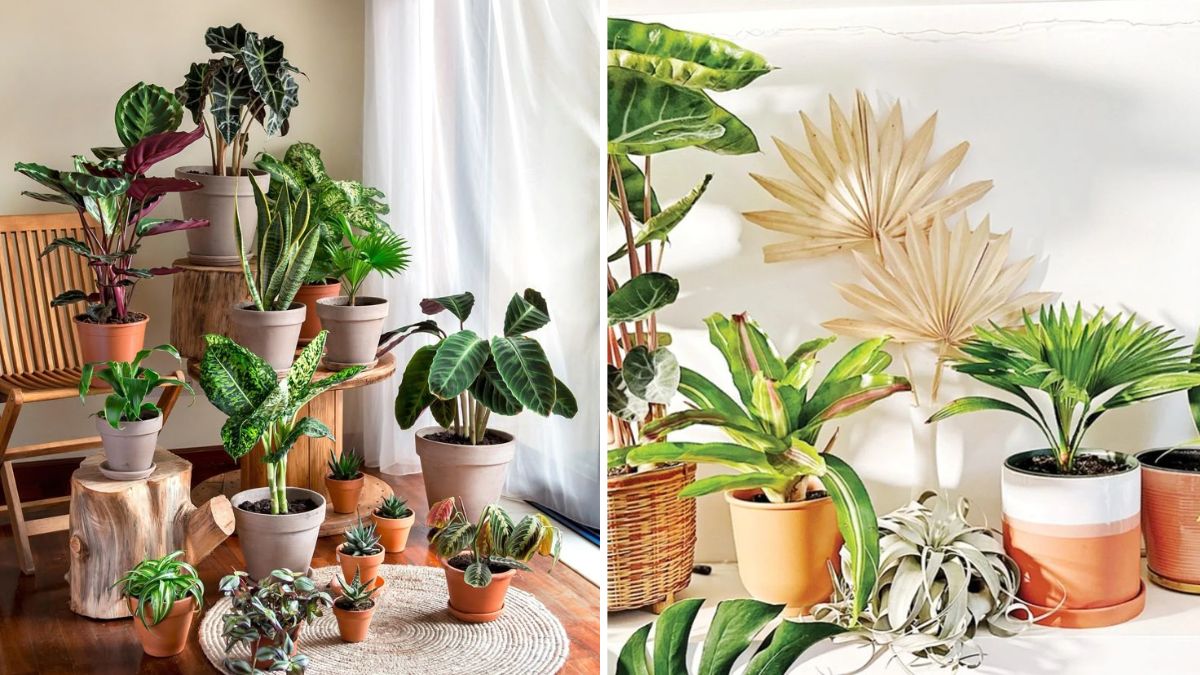
Bringing a houseplant into your home is exciting — the lush greenery, the fresh air, and the cozy vibes are all part of the joy. But how do you know if your plant is genuinely thriving, rather than just surviving? Recognizing the signs of a healthy plant (and identifying when something is wrong) is key to becoming a confident plant parent.
Whether you’re a beginner or have a growing indoor jungle, learning to read your plant’s signals can save your leafy friends from stress, disease, or even death. Here’s a detailed guide on 5 signs your houseplant is thriving — and what to do if it’s not. 🌱
1. Vibrant, Healthy Leaves
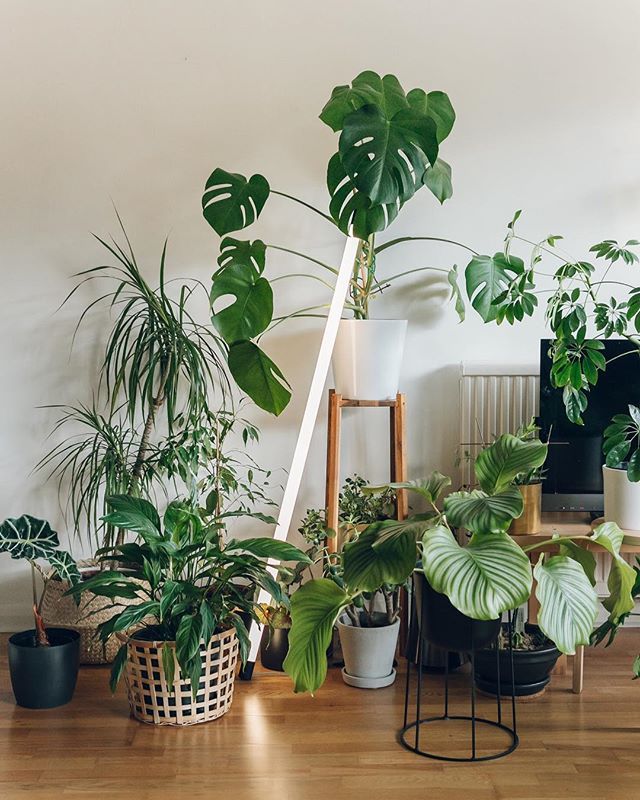
The leaves of a plant are often the most obvious indicator of its health. Healthy leaves are a sign that your plant is photosynthesizing efficiently, absorbing nutrients, and thriving in its environment.

🌿 Signs of Thriving Leaves:
- Deep, vibrant green (or natural color for variegated species)
- Firm and perky texture
- New leaves appearing regularly
- No yellowing, browning, or wilting
🚨 Signs Your Plant May Struggle:
- Yellow leaves: Could indicate overwatering, nutrient deficiency, or poor light.
- Brown leaf tips: Often caused by low humidity, too much fertilizer, or inconsistent watering.
- Droopy leaves: A classic sign of underwatering, overwatering, or root issues.
💡 Quick Tip:
Examine new leaves closely — their size, shape, and color indicate how well your plant is growing. Smaller, deformed, or pale leaves may signal stress even if older leaves look fine.
2. Strong and Sturdy Stems
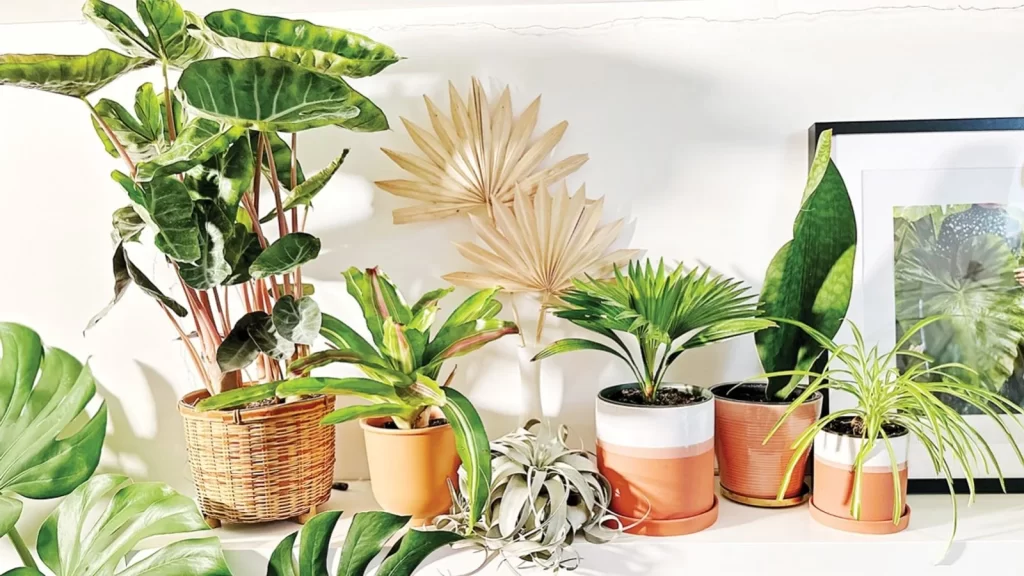
A plant’s stems support its leaves, flowers, and overall structure. Strong stems indicate good growth and resilience, while weak stems often reveal underlying issues.
🌿 Signs of Thriving Stems:
- Upright and firm structure
- Consistent thickness appropriate for the species
- No soft spots or signs of rot
🚨 Signs of Weak Stems:
- Leggy growth (long stems with sparse leaves) usually caused by insufficient light
- Soft or mushy stems, indicating overwatering or disease
- Stems leaning or falling over, which may require support or pruning
💡 Quick Tip:
Support leggy plants by rotating them toward light or pruning them to encourage bushier growth. Consistent light and proper watering improve stem strength over time.

3. New Growth
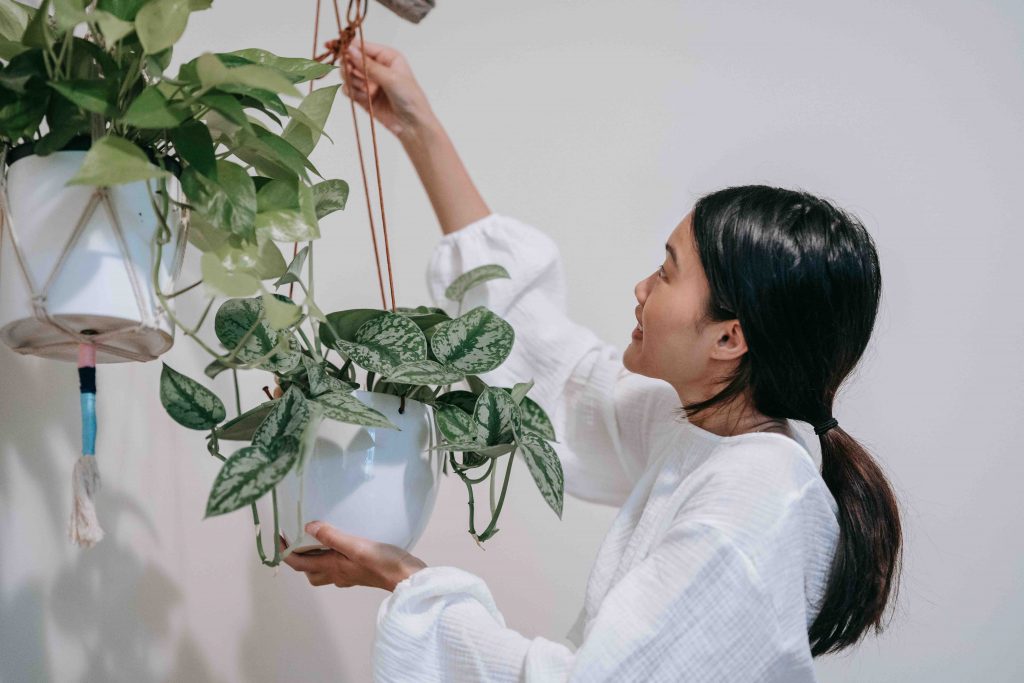
Nothing says “thriving” like fresh leaves, shoots, or flowers. New growth indicates that your plant has enough energy, nutrients, and proper environmental conditions to keep developing.
🌿 Signs of Thriving Growth:
- Emergence of new leaves or stems
- Buds forming on flowering plants
- Healthy root growth if you check the soil
🚨 Signs of Stagnation:
- No new growth for months (during active growing season) may indicate low light, poor nutrition, or stress.
- Yellowing new leaves can indicate nutrient deficiencies or improper watering.
💡 Quick Tip:
Track your plant’s growth over time with photos or a plant journal. This helps you notice subtle changes and adjust care routines proactively.
4. Healthy Root System
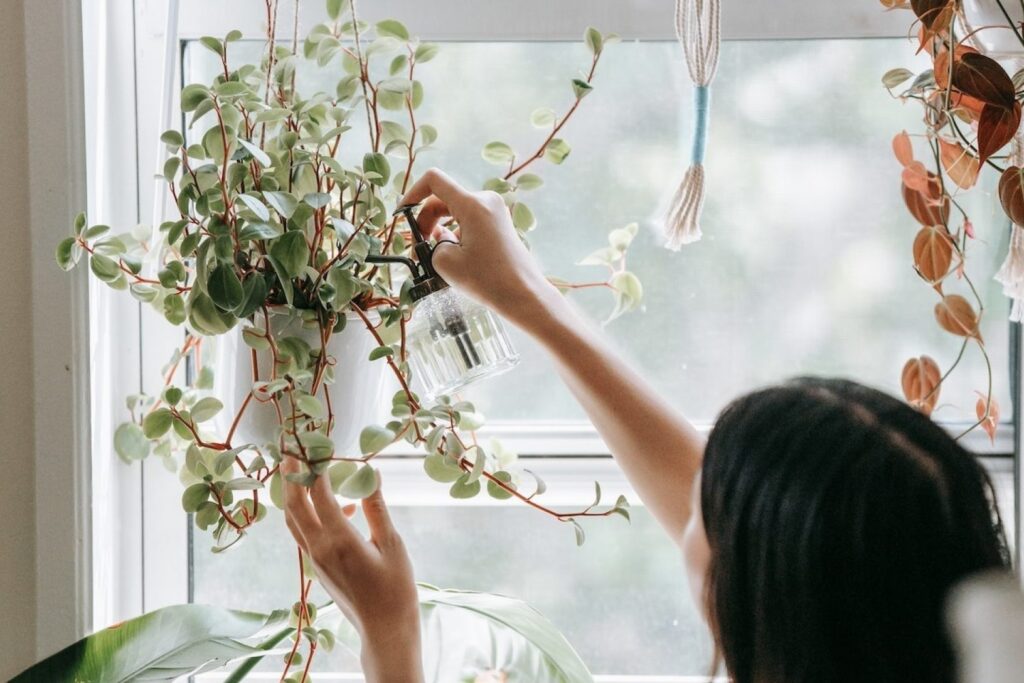
Roots are the hidden heroes of plant health. Strong roots absorb water and nutrients efficiently and anchor your plant securely. Checking roots occasionally can reveal a lot about a plant’s wellbeing.

🌿 Signs of Thriving Roots:
- White or light-colored, firm, and fibrous roots
- Evenly distributed throughout the soil
- No foul odor in the soil (healthy roots resist decay)
🚨 Signs of Root Problems:
- Dark, mushy, or smelly roots indicate overwatering or root rot
- Roots growing out of drainage holes excessively may signal that the plant is root-bound and needs repotting
- Sparse roots may indicate poor soil quality or lack of nutrients
💡 Quick Tip:
Repot plants every 12–18 months to refresh soil and allow roots to grow. Healthy roots directly contribute to healthy leaves, stems, and flowers.
5. Overall Resilience and Adaptability
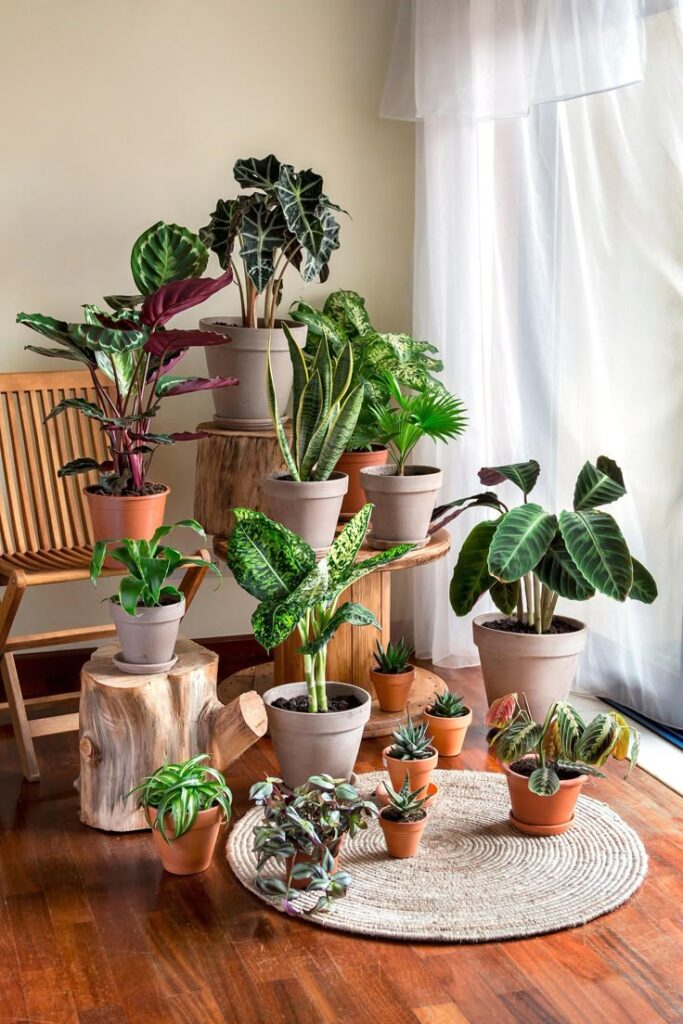
Thriving plants show resilience to minor stressors and adapt to their environment. They respond positively to seasonal changes and bounce back after temporary neglect.
🌿 Signs of Thriving Plants:
- Rapid recovery after missed watering or low light exposure
- Consistent leaf color and structure across seasons
- Minimal pest or disease issues when proper care is maintained
🚨 Signs of Struggling Plants:
- Leaves or stems dropping frequently
- Persistent yellowing or browning despite proper care
- Slow recovery from stress, indicating environmental mismatch
💡 Quick Tip:
Observe how your plant responds to care adjustments. Thriving plants bounce back quickly, whereas struggling plants may need significant changes in light, water, soil, or humidity.

Extra Tips to Help Your Plants Thrive
Beyond the five core signs, certain daily and weekly practices ensure your plants remain healthy:
- Light Awareness: Keep plants in optimal light zones and rotate them weekly.
- Proper Watering: Water deeply and only when soil is dry to the touch.
- Humidity Management: Mist tropical plants or use pebble trays to maintain humidity.
- Fertilize Wisely: Use slow-release or diluted liquid fertilizer during growth periods.
- Pruning & Cleaning: Remove dead leaves and wipe dusty foliage to encourage photosynthesis.
- Pest Monitoring: Check under leaves for pests regularly and treat early if needed.
🌼 Final Thoughts
A thriving houseplant is more than just a pretty decoration — it’s a sign of a healthy indoor ecosystem. By observing leaves, stems, growth, roots, and overall resilience, you can tell whether your plants are genuinely happy or need adjustments.
Even beginners can become confident plant parents by learning these signs and implementing simple care routines. When you recognize what makes your plant thrive, you can respond quickly to any issues, ensuring a long-lasting and beautiful indoor garden.

Remember: thriving plants are not perfect. They show slight imperfections while continuing to grow, adapt, and produce new life. With attention, patience, and consistency, your indoor jungle will reward you with lush greenery, vibrant leaves, and a refreshing atmosphere all year round. 🌿💚
Leave a Reply