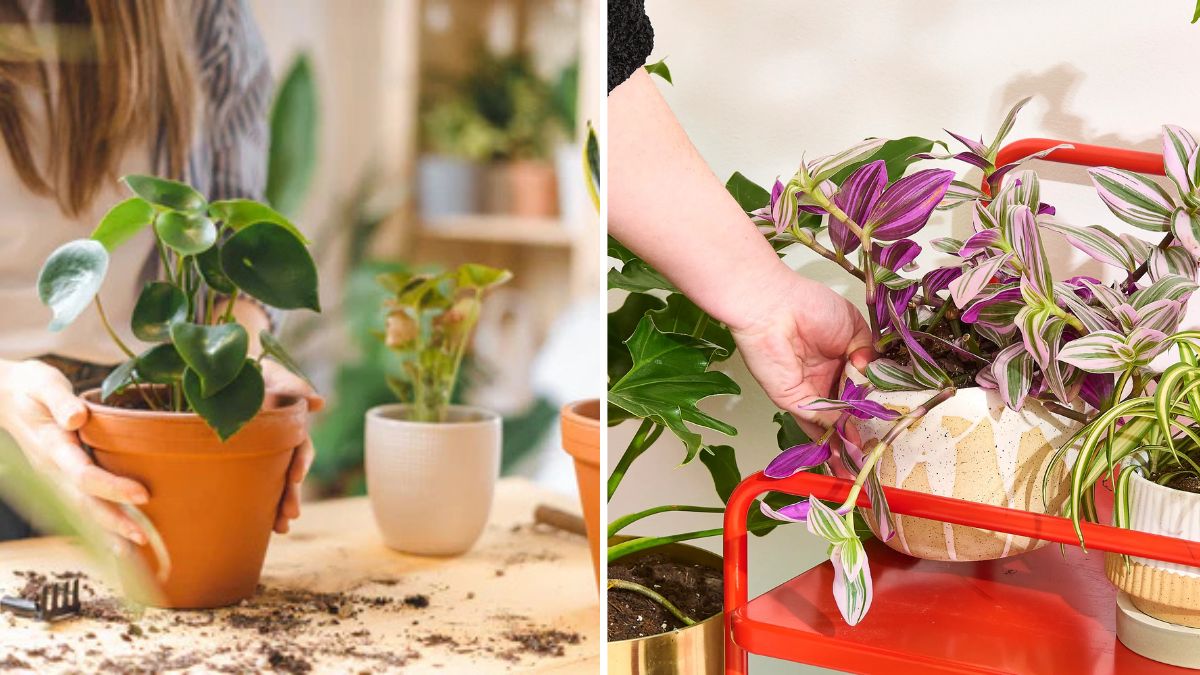
Indoor plants bring life, color, and freshness to any home. But keeping them thriving — not just surviving — often feels like a challenge, especially for busy homeowners or apartment dwellers. The good news? You don’t need complicated systems or expensive tools to help your plants grow faster and healthier. Small, consistent daily habits can have a huge impact on their overall vitality.
By understanding your plants’ natural needs and incorporating simple routines, you can transform your indoor garden into a lush, vibrant, and flourishing space. Let’s explore practical daily habits that encourage stronger roots, bigger leaves, and steady growth. 🌱
🌞 1. Monitor Light Daily
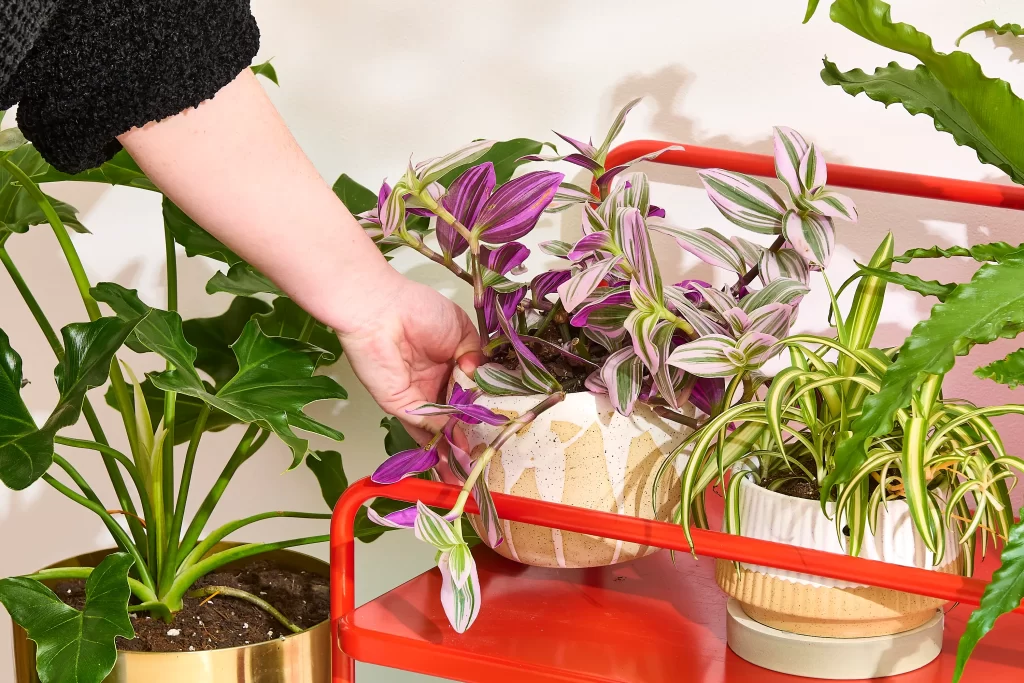
Light is the most crucial factor in plant growth. Through photosynthesis, plants convert sunlight into energy, which fuels new leaves, stems, and roots. Even slight changes in light exposure can affect growth rates.
🌿 Daily Habit:
- Observe how sunlight moves through your home each day. Adjust plants so they get consistent, indirect light.
- Rotate pots weekly to ensure all sides receive equal light, preventing uneven growth.
- Use a sunlight meter app to check if your plant is receiving adequate light for its species.
💡 Quick Tip:
Plants like snake plants, ZZ plants, and pothos can tolerate low light, but most tropical plants thrive in bright, indirect sunlight. Paying attention to daily light exposure ensures your plants have the energy to grow consistently.
💧 2. Water Mindfully, Not Excessively
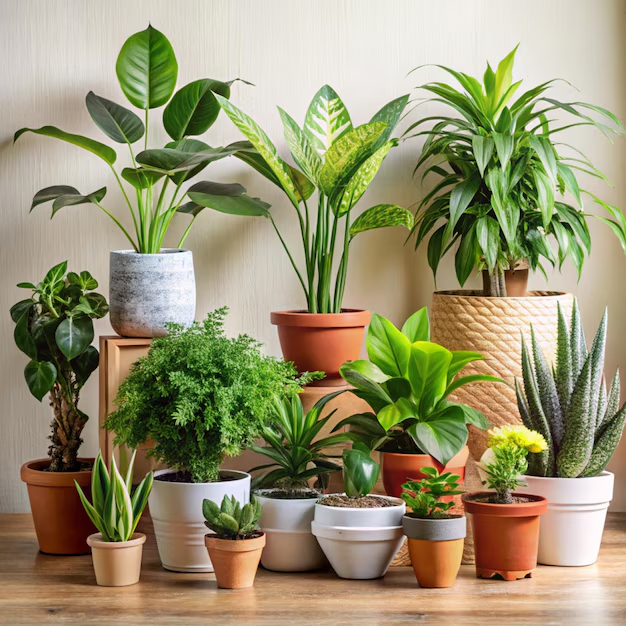
Water is essential, but both overwatering and underwatering can stunt growth. Creating a daily habit of checking soil moisture helps you provide the right amount at the right time.

🌿 Daily Habit:
- Stick your finger into the soil about an inch deep to see if it’s dry.
- Water only when needed, ensuring water reaches the roots and drains out the bottom.
- Empty excess water from saucers to avoid root rot.
💡 Science Behind It:
Healthy roots need both water and oxygen. Overwatering fills air pockets in the soil, suffocating roots, while underwatering prevents nutrients from being transported. A simple daily check ensures the right balance.
🌱 3. Keep Leaves Clean and Dust-Free
Dust accumulation on leaves can block sunlight, reducing photosynthesis and slowing growth. A daily habit of wiping leaves can significantly improve your plant’s energy intake.
🌿 Daily Habit:
- Gently wipe leaves with a soft, damp cloth.
- Use a soft brush for delicate plants or hard-to-reach leaves.
- For plants with fuzzy leaves (like African violets), gently shake or blow dust off instead of wiping.
💡 Quick Tip:
Cleaning leaves not only improves growth but also prevents pests and fungal infections by keeping leaf surfaces healthy.
🌬️ 4. Encourage Proper Airflow
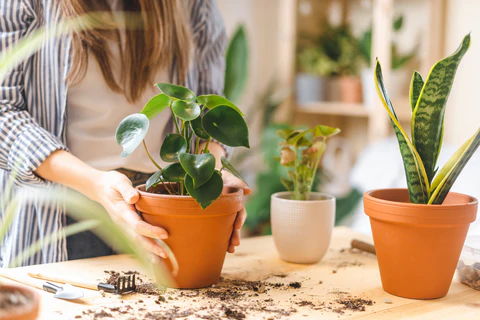
Stagnant air can slow growth and make plants more susceptible to pests and mold. A daily habit of ensuring airflow keeps your indoor environment optimal.
🌿 Daily Habit:
- Open windows for 15–30 minutes to exchange fresh air (avoid drafts during winter).
- Use a small fan on low speed in crowded plant corners to circulate air.
- Avoid overcrowding plants — spacing them allows leaves to “breathe.”
💡 Science Behind It:
Good airflow enhances gas exchange in leaves, allowing more carbon dioxide in for photosynthesis and oxygen out as a byproduct, fueling better growth.

🌸 5. Inspect for Pests and Diseases
A small infestation can halt growth if left untreated. Making pest and disease checks a daily habit allows early detection and rapid response.
🌿 Daily Habit:
- Look under leaves for signs of pests like spider mites, aphids, or scale.
- Check soil for fungus gnats or mold.
- Remove yellow or damaged leaves immediately to prevent disease spread.
💡 Quick Tip:
Early detection makes treatment easier. For minor infestations, wipe leaves with a damp cloth or rinse with water before resorting to pesticides.
🧪 6. Feed with Nutrients Strategically
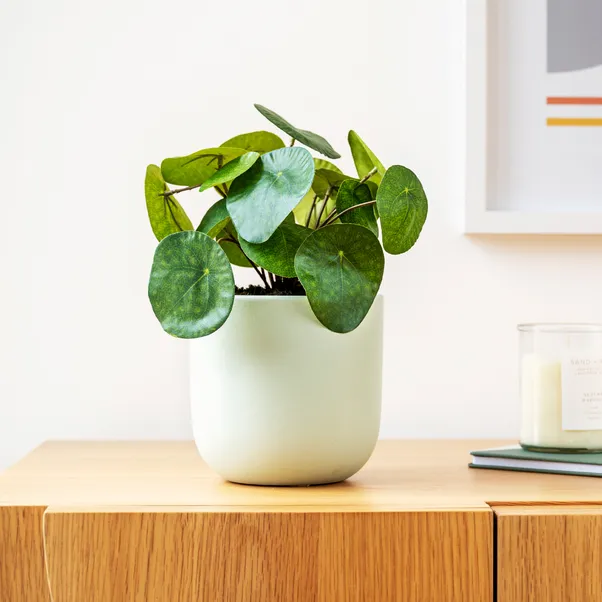
Plants need essential nutrients to grow healthy and strong. While you don’t need to fertilize every day, incorporating a daily awareness habit ensures your plant is nourished consistently.
🌿 Daily Habit:
- Keep a fertilizer schedule visible near your plants or phone reminders.
- Observe your plants for nutrient deficiencies, such as yellowing leaves or stunted growth.
- Water with a diluted, balanced liquid fertilizer during the growing season, usually once every 1–2 weeks.
💡 Science Behind It:
Nutrients like nitrogen, phosphorus, and potassium support leaf growth, root development, and overall vigor. Even a small daily check ensures your plants are not starving.
🪴 7. Rotate and Adjust for Balanced Growth
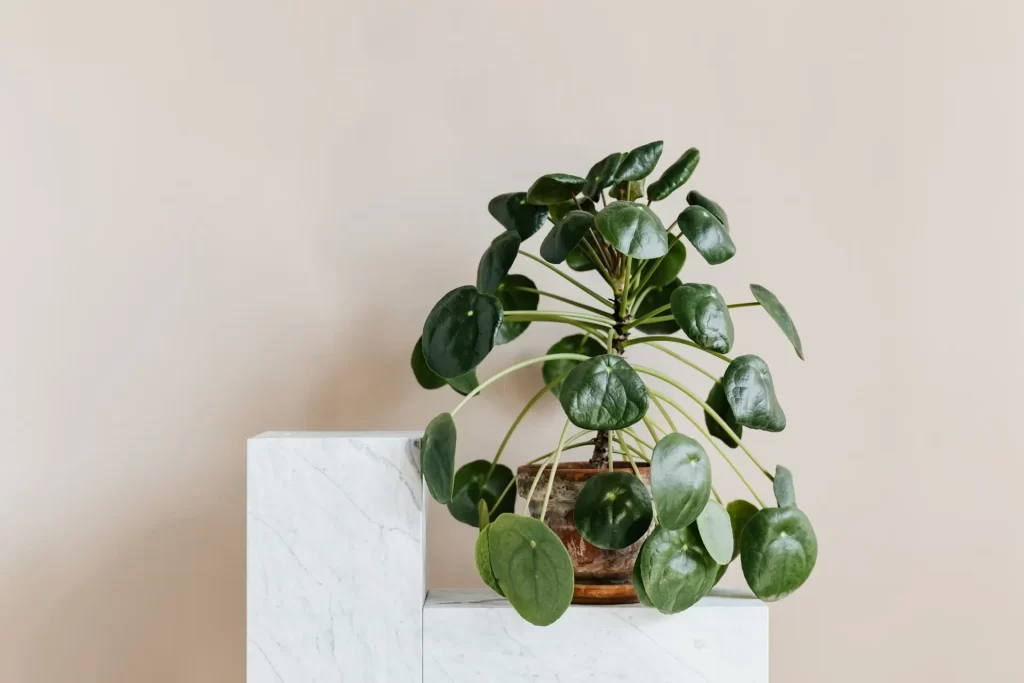
Plants naturally grow toward light, which can cause uneven, leggy growth if they are not rotated regularly. Incorporating a quick rotation habit every day or few days keeps growth even.

🌿 Daily Habit:
- Turn potted plants 90 degrees to expose all sides to light.
- Adjust height or move closer to light sources if one side seems stretched or faded.
💡 Quick Tip:
Rotation encourages bushier, fuller growth and ensures every leaf absorbs enough energy to fuel new shoots.
🌾 8. Maintain Consistent Humidity
Many indoor plants, especially tropical ones, thrive in 50–70% humidity. Dry indoor air can slow growth and stress plants. A daily awareness habit ensures you catch low-humidity days and correct them.
🌿 Daily Habit:
- Use a small humidity meter to monitor levels in plant-heavy rooms.
- Mist plants in the morning or use pebble trays with water.
- Group plants together — natural transpiration creates a microclimate.
💡 Science Behind It:
Humidity influences stomata function, the tiny pores on leaves responsible for gas exchange. Proper humidity ensures they stay open, allowing photosynthesis to proceed efficiently.
🍃 9. Mind Your Plant’s Environment
Plants grow best in stable, predictable conditions. Temperature fluctuations, drafts, or sudden relocation can stress them and slow growth.
🌿 Daily Habit:
- Check room temperature — most tropical plants prefer 65–80°F (18–27°C).
- Keep plants away from heaters, air conditioners, and drafty windows.
- Observe plant responses daily; drooping, curling, or yellowing leaves may indicate stress.
💡 Quick Tip:
Even minor environmental adjustments, noticed and acted on daily, can make a huge difference in long-term plant health.

🧘♀️ 10. Make It a Mindful Routine
The most important habit for improving growth is daily observation. Spending 5–10 minutes a day connecting with your plants helps you spot problems early, notice growth spurts, and enjoy the rewards of your care.
🌿 Daily Habit:
- Check leaves, soil, and overall plant posture.
- Rotate, mist, or wipe leaves as needed.
- Note any changes — new leaves, leggy stems, or pests.
💡 Bonus:
Mindful care strengthens your connection with your plants, making the process enjoyable instead of a chore. This simple habit reinforces all other care routines and ensures your plants flourish.
🌼 Final Thoughts: Small Habits, Big Growth
Improving indoor plant growth doesn’t require hours of work or complex systems. By incorporating small daily habits — from checking light and moisture to cleaning leaves and observing pests — you create an environment that supports steady, healthy growth.
Consistency is the key. Even 10 minutes a day can transform a lackluster plant into a thriving centerpiece. Over time, these daily actions create a lush indoor garden that not only looks beautiful but also enhances your home’s air quality, mood, and energy.
So start today — water mindfully, rotate your plants, monitor light, and make these simple habits part of your daily life. Your plants will reward you with vibrant green growth, fuller leaves, and a healthier, happier home. 🌿💚

Leave a Reply