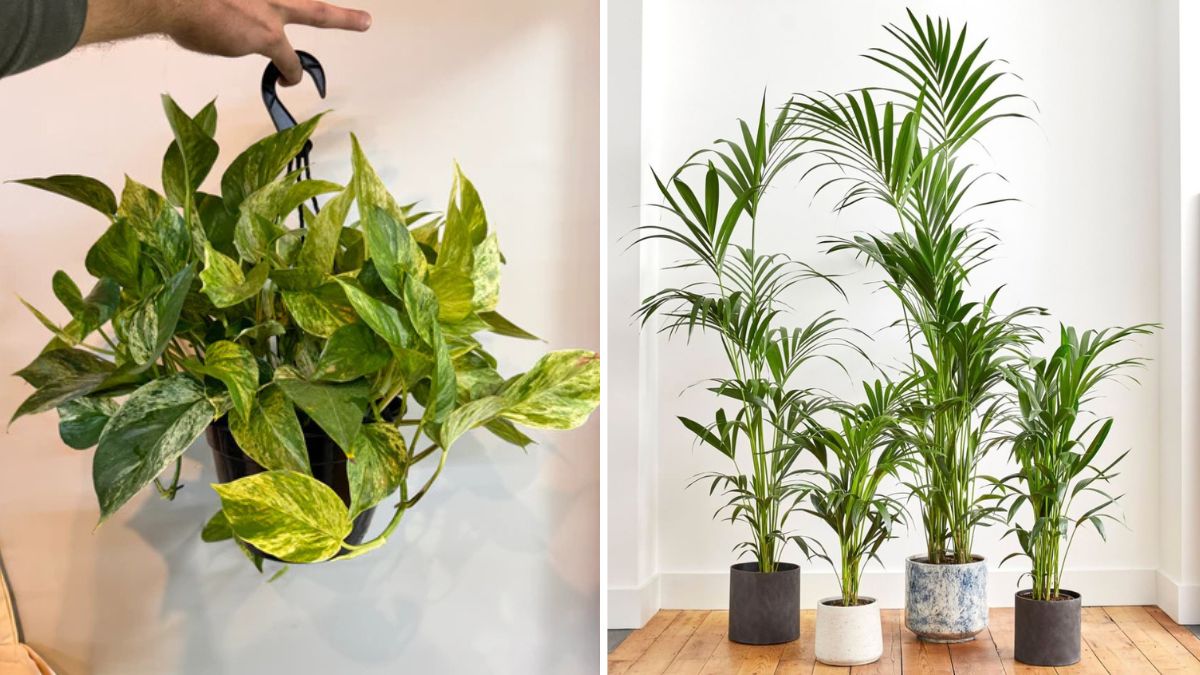
Not everyone has hours to tend to indoor plants. Between work, travel, and life’s endless commitments, plant care can feel like a full-time job. Yet, some plants seem to flourish even when left alone — thriving despite infrequent watering, less-than-ideal light, or occasional forgetfulness.
What makes certain houseplants so resilient? And how can you choose the right ones to create a lush, low-maintenance indoor jungle without stressing over constant care? Let’s explore the science behind these hardy green companions and reveal how to pick the perfect plants for your lifestyle. 🌱
🌞 1. The Science of Resilience in Plants
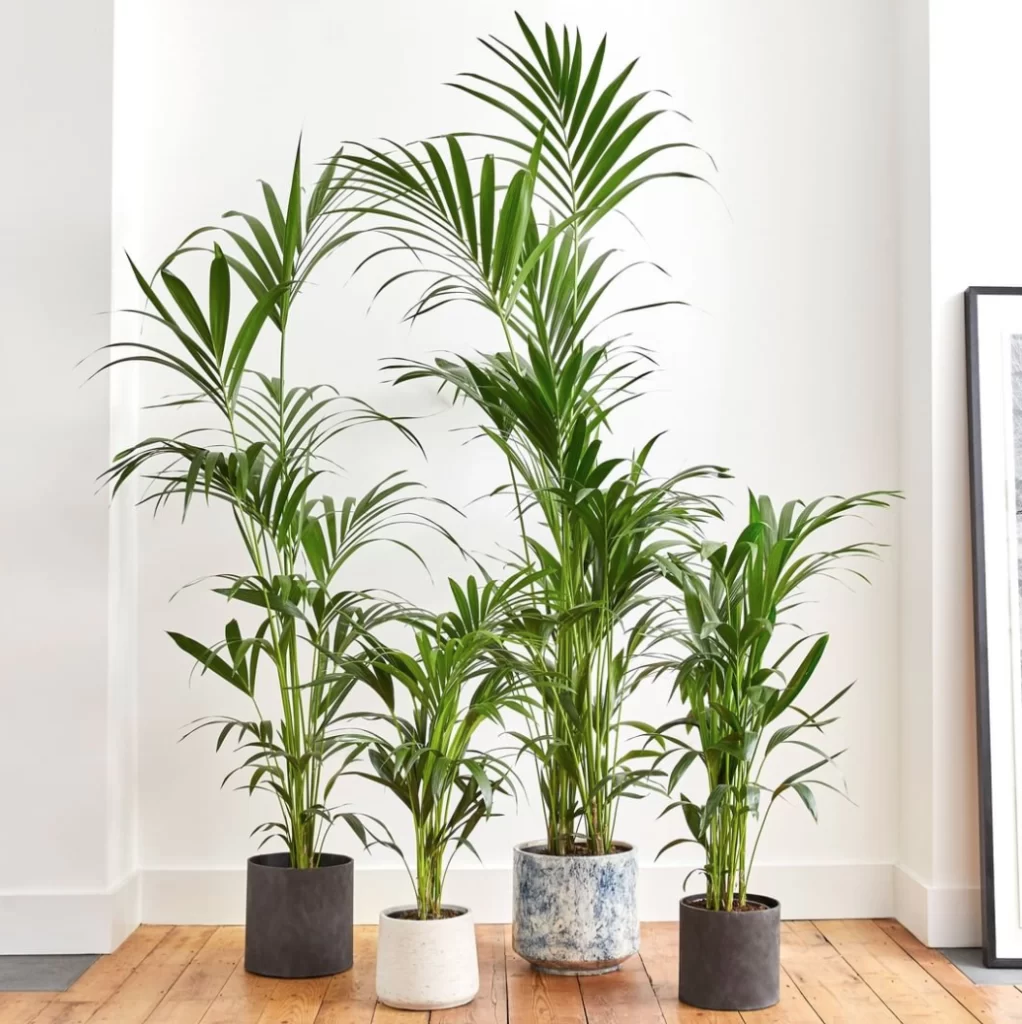
Plants that thrive on neglect are not lazy — they are biologically engineered to survive harsh environments. Over millennia, many species evolved mechanisms to cope with inconsistent water, limited sunlight, and poor soil.
🌿 Key Survival Traits:
- Water storage: Succulents, cacti, and snake plants store water in leaves or stems to endure drought.
- Slow growth: Plants like ZZ plants grow slowly, conserving energy so they don’t rely on constant resources.
- Tough leaves: Thick, waxy leaves reduce water loss and resist pests and diseases.
- Dormancy: Some plants enter a semi-dormant state during unfavorable conditions, pausing growth until the environment improves.
These traits mean your plant can bounce back from missed watering, low light, or occasional neglect — making them perfect companions for busy lives.

💧 2. Water-Wise Wonders: How Plants Handle Neglect
The ability to withstand irregular watering is one of the most important traits of low-maintenance houseplants.
🌿 Examples:
- Snake Plants (Sansevieria): Can survive weeks without water due to thick, succulent leaves that store moisture.
- ZZ Plants (Zamioculcas zamiifolia): Tolerates both low light and infrequent watering.
- Succulents and Cacti: Water stored in fleshy leaves and stems allows them to endure long dry spells.
💡 Science Behind It:
These plants have specialized tissue called parenchyma that retains water. Their roots are efficient at absorbing moisture quickly, and their stomata (tiny pores on leaves) close during hot or dry conditions to minimize water loss.
Tip: Even hardy plants benefit from occasional deep watering and proper drainage to keep roots healthy.
🌞 3. Light Tolerance: Surviving in Low-Light Spaces
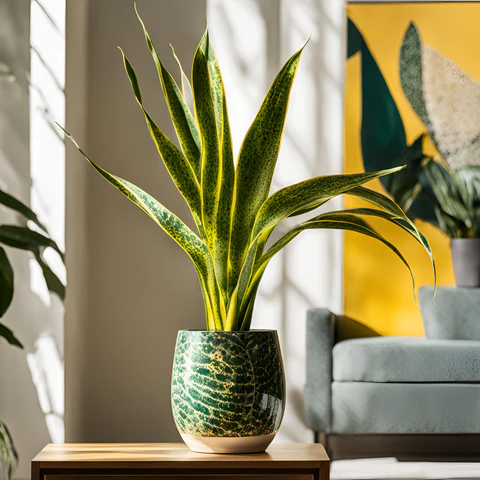
Another hallmark of neglect-tolerant plants is their ability to survive in low light. Not everyone has bright, sun-drenched rooms, and these adaptable plants can still photosynthesize efficiently in dim conditions.

🌿 Best Low-Light Survivors:
- Philodendron: Thrives in indirect light, perfect for offices or apartments.
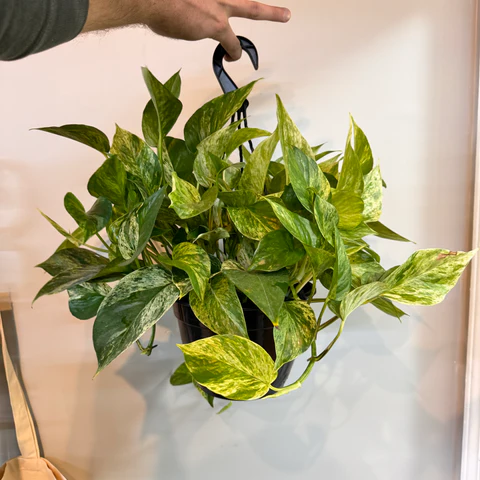
- Pothos (Epipremnum aureum): Can survive in low to bright light and grows quickly with minimal attention.
- Cast Iron Plant (Aspidistra elatior): Named for its durability, tolerates shadows and neglect.
💡 Science Behind It:
These plants have larger chloroplasts and highly efficient chlorophyll to capture limited light, allowing them to produce energy even when sunlight is scarce.
Tip: While low-light plants survive in shade, occasional exposure to bright, indirect light encourages fuller, faster growth.
🌱 4. Root Systems That Work Hard While You Rest
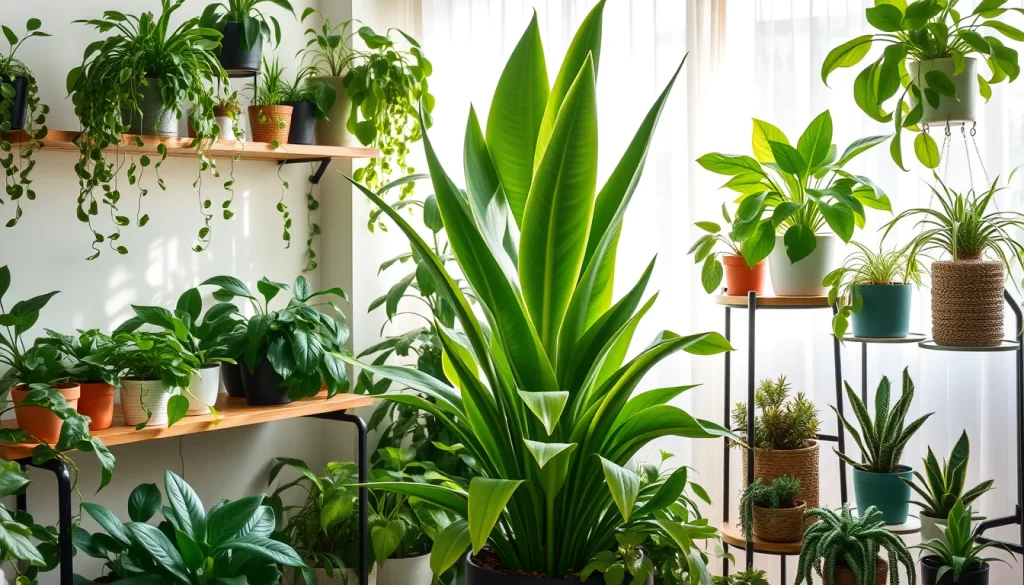
Neglect-tolerant plants often have robust root systems that store energy and water, enabling them to survive even if you miss a watering or two.
🌿 Examples:
- Succulents: Shallow roots spread out to catch sporadic water.
- ZZ Plants: Thick rhizomes act as storage organs for water and nutrients.
- Snake Plants: Dense root mats absorb water efficiently and resist root rot if drainage is adequate.
💡 Science Behind It:
A strong root system allows the plant to survive periods of stress. Even if leaves wilt temporarily, the roots store enough resources to regrow new shoots when conditions improve.

Tip: Choose plants with thick, fleshy roots if you want longevity without constant care.
🌸 5. Choosing the Right Neglect-Tolerant Plants
Not all houseplants are created equal. If you want greenery that thrives with minimal attention, consider these categories:
🌿 Succulents and Cacti:
- Pros: Water storage, compact growth, striking shapes.
- Care Tips: Full sun, well-draining soil, infrequent watering.
🌿 Foliage Plants:
- Snake Plant (Sansevieria): Tolerates drought and low light.
- ZZ Plant: Handles neglect and low-light corners.
- Cast Iron Plant: Nearly indestructible, slow-growing, tolerates shade.
🌿 Trailing Plants:
- Pothos: Grows quickly in indirect light, forgiving of irregular watering.
- Philodendron: Easy to train, tolerates low-maintenance conditions.
🌿 Air-Purifying Plants:
- Peace Lily: Low-light tolerant, tells you when it’s thirsty by drooping leaves.
- Spider Plant: Hardy, reproduces quickly, and grows in a variety of light conditions.
Tip: Combine slow-growing, tough plants with faster-growing trailing varieties for visual balance and interest.
💡 6. The Role of Soil and Drainage
Even hardy plants need the right soil to survive neglect. Good soil ensures that water is retained just enough for the plant to access when needed, but not so much that roots rot.

🌿 Tips for Resilient Soil:
- Succulents: Use sandy, well-draining cactus soil.
- Tropical foliage plants: Mix peat moss, perlite, and potting soil for moisture retention without waterlogging.
- Add a drainage layer: Pebbles or broken pottery at the bottom of pots prevent water from pooling.
Science Behind It:
Neglect-tolerant plants evolved in environments where water is not constant. Proper soil mimics their natural habitat, supporting survival when care is inconsistent.
🕵️♀️ 7. How to Maximize Success with Neglect-Tolerant Plants
Even hardy plants need a little attention to truly thrive. These tips ensure your low-maintenance plants stay healthy:
- Consistent Light: Place plants in their ideal light zone and leave them there — don’t move them around constantly.
- Water Strategically: Even drought-tolerant plants benefit from occasional deep watering.
- Check for Pests: Neglect can sometimes hide early signs of pests like spider mites or scale.
- Prune Dead Leaves: Removing old leaves redirects energy to new growth.
- Fertilize Occasionally: Use slow-release fertilizer or diluted liquid fertilizer during the growing season.
With just a little effort, your resilient plants can thrive for years without constant attention.
🌿 8. Creating a Low-Maintenance Indoor Jungle
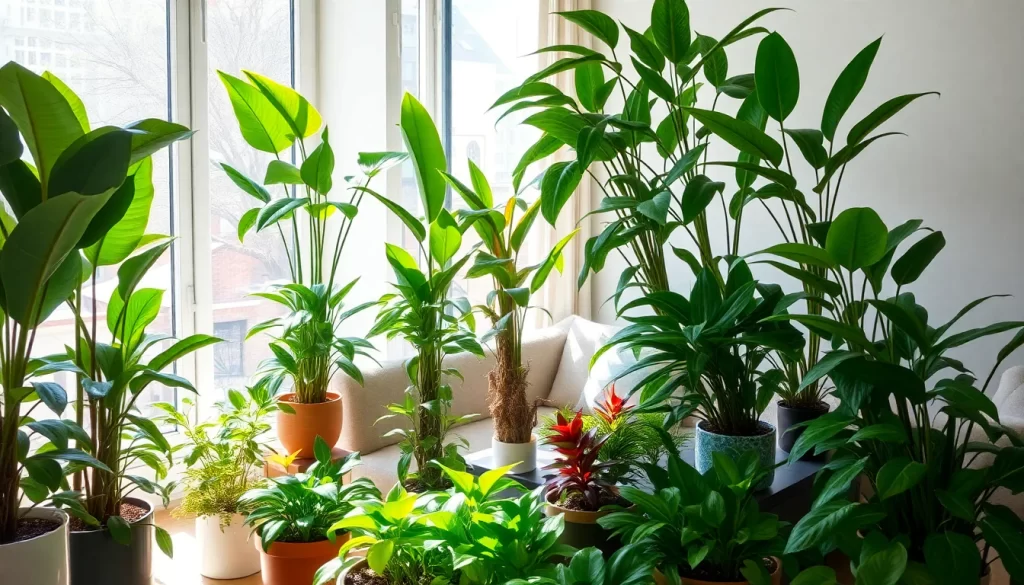
A well-planned indoor garden of neglect-tolerant plants offers beauty and tranquility without demanding constant care.

🌱 Tips for Your Low-Maintenance Jungle:
- Mix heights and textures: Combine tall snake plants with trailing pothos and mid-sized ZZ plants.
- Group by water needs: Place succulents together, tropical foliage together — this makes watering easy.
- Use self-watering pots: For especially busy areas, self-watering containers reduce the risk of over- or under-watering.
- Rotate occasionally: Even low-maintenance plants benefit from turning toward light to maintain balanced growth.
With this approach, you can enjoy a lush, thriving indoor garden while staying busy with life’s other priorities.
🌼 Final Thoughts
Some houseplants thrive on neglect because they are biologically adapted to survive challenging conditions. Thick leaves, water storage tissues, slow growth, and hardy roots allow them to flourish even in low-light, low-water situations. By understanding these traits and choosing the right plants, you can create a beautiful, low-maintenance indoor garden that suits a busy lifestyle.
So whether you’re a forgetful plant parent, a frequent traveler, or just short on time, you don’t have to sacrifice greenery in your home. Pick the right resilient plants, give them the basics — light, soil, water, and a little love — and watch as your indoor jungle thrives without constant attention. 🌿💚
Leave a Reply