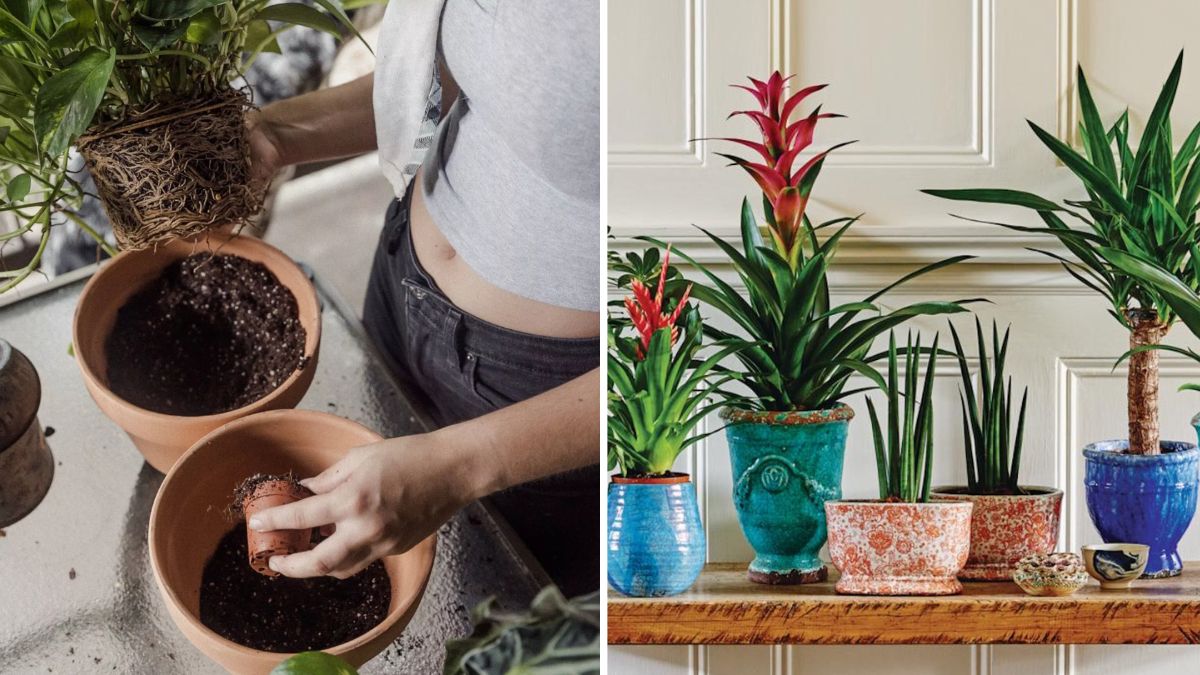
Every houseplant parent dreams of healthy, thriving greenery — but sometimes, even with proper watering, sunlight, and fertilization, plants struggle. The culprit? Compacted soil. Over time, potting soil can settle, harden, and become dense, restricting root growth and airflow. Roots need oxygen to absorb nutrients and water effectively, and when soil is compacted, they suffocate — even if you water correctly.
Repotting is one solution, but it’s not always convenient. Luckily, you can aerate your houseplant soil without repotting, improving drainage, airflow, and root health without disturbing the plant too much. In this guide, we’ll cover why aeration matters, how to do it safely, and techniques to maintain loose, airy soil year-round.
🌱 1. Why Aeration Matters
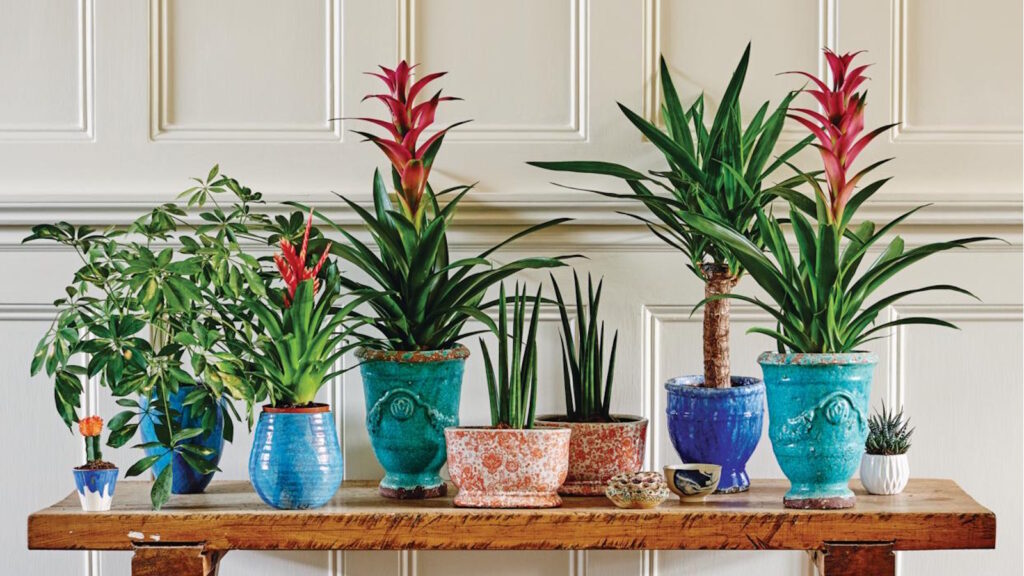
Think of soil like a sponge. When it’s loose and well-aerated, it can retain water, allow oxygen to flow, and support root expansion. Compacted soil, on the other hand:
- Reduces oxygen supply to roots
- Causes water to pool at the surface or bottom
- Slows nutrient absorption
- Encourages fungal growth or root rot
Even healthy plants can struggle in compacted soil. Symptoms of poor aeration include:

- Drooping or yellowing leaves
- Slow or stunted growth
- Soil that feels hard or crusty on top
- Poor water absorption (water sits on top without soaking in)
Aeration improves soil health without the stress of full repotting, which is especially important for mature or delicate plants that don’t respond well to root disturbance.
🌿 2. Signs Your Soil Needs Aeration
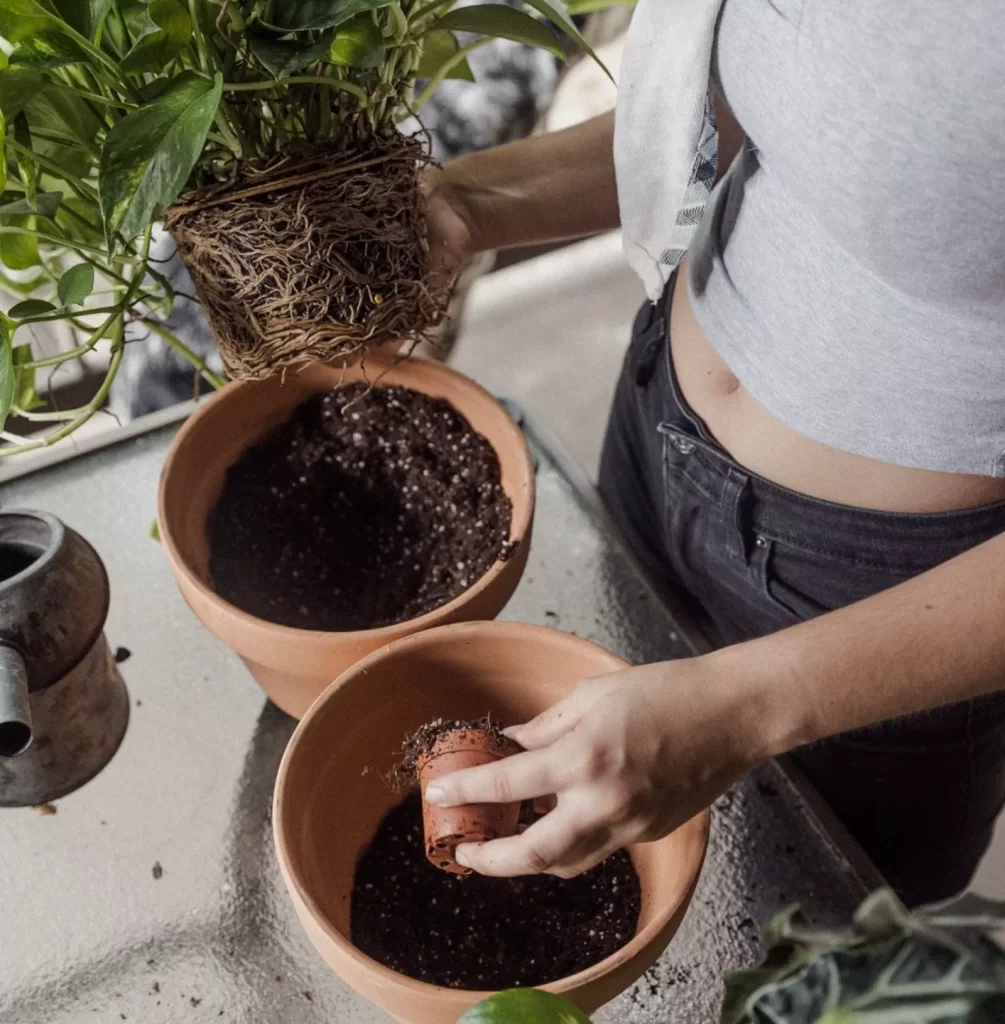
Before you start poking around, it’s important to identify if your plant actually needs aeration. Look for these indicators:
🌱 1. Hard, Compacted Soil
If the soil surface feels like clay or resists finger penetration, it’s time to aerate.
🌱 2. Poor Water Absorption
Water pools on top instead of soaking in. This usually happens when soil compacts and repels water.

🌱 3. Slow Growth or Wilting
Even with proper watering and light, compacted soil slows nutrient uptake, leading to droopy, discolored leaves.
🌱 4. Foul Smell or Mold
Poor airflow combined with excess moisture can encourage mold growth or root rot.
👉 Pro Tip:
A healthy potting mix should feel slightly springy when pressed between your fingers. It should hold moisture without being soggy or hard.
💧 3. Tools You Can Use to Aerate Soil
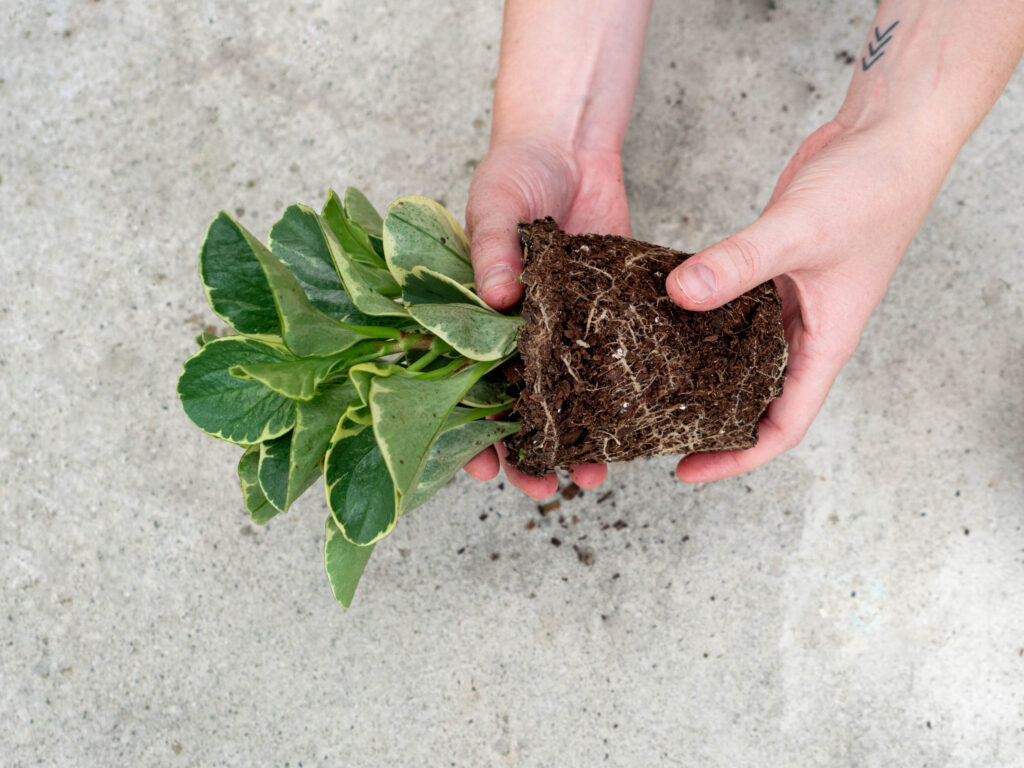
Aeration doesn’t require special equipment. Simple tools from your home or garden can do the job safely:

- Chopsticks or Skewers: Small and precise for poking holes around the pot without damaging roots.
- Wooden Dowels or Bamboo Sticks: Slightly thicker than chopsticks for bigger holes.
- Handheld Forks or Soil Picks: For loosening top layers of soil carefully.
- Watering Can or Spray Bottle: To rehydrate soil if it’s very dry after aeration.
👉 Pro Tip: Always avoid using metal objects that could cut or injure roots.
🌿 4. Step-by-Step Guide to Aerate Soil Without Repotting
Step 1: Assess the Soil
- Examine the top 2–3 inches of soil.
- Identify compacted areas or dry patches.
Step 2: Water Lightly (Optional)
- If soil is very dry, water lightly first. Moist soil is easier to work with and reduces the risk of damaging roots.
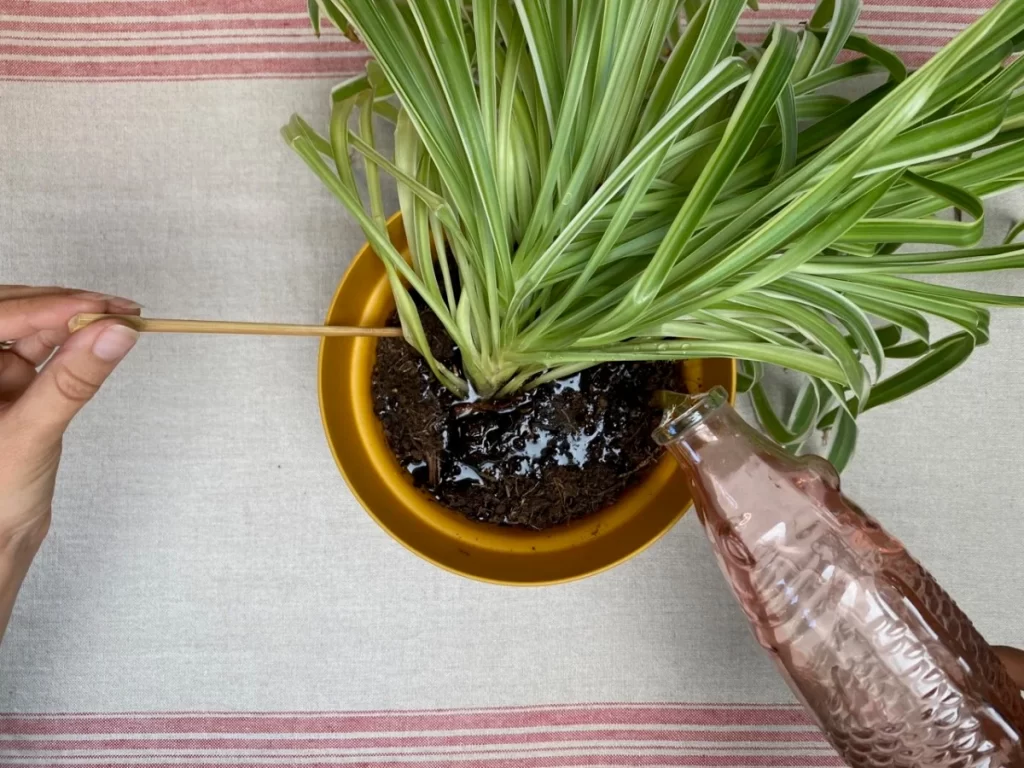
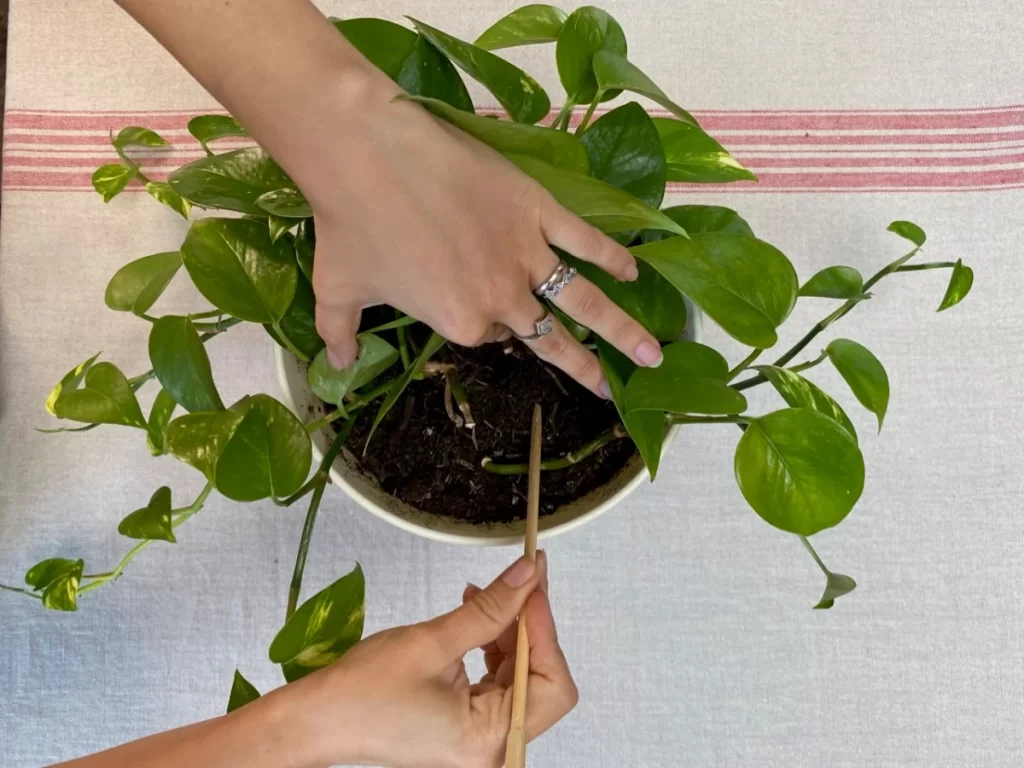
Step 3: Poke Holes Around the Pot
- Use a chopstick, skewer, or dowel.
- Insert it vertically about 2–3 inches apart around the pot.
- Push straight down into the soil and wiggle slightly to break up compacted layers.
Step 4: Gently Loosen Topsoil
- Use a small hand fork or spoon to carefully fluff the top 1–2 inches of soil.
- Avoid disturbing roots deeper in the pot.
Step 5: Water Thoroughly
- After aeration, water the plant to help soil settle and allow roots to access moisture more efficiently.
- This also helps flush any salt buildup from fertilizers.
Step 6: Monitor the Plant
- Over the next few days, observe leaf health, soil moisture, and growth.
- You should see gradual improvement as roots regain oxygen.
🌾 5. Alternative Aeration Techniques
Besides manually poking holes, there are other ways to improve soil aeration without repotting:
🌿 1. Top-Dressing with Loose Materials
- Add a thin layer of perlite, pumice, or bark chips on top of the soil.
- Over time, this helps soil stay light and encourages water penetration.
🌿 2. Use a Watering Spike
- A watering spike or soil aerator spike allows water to penetrate deeper while creating small air channels.
- Ideal for large pots or hard, dry soil.
🌿 3. Self-Watering Pots with Wicking
- Plants absorb water as needed, keeping soil evenly moist and reducing compaction.
- These systems provide gentle aeration while maintaining hydration.
🌿 4. Regular Fluffing
- Every 4–6 weeks, gently poke or stir the soil’s top layer.
- Prevents crusting and promotes airflow without disturbing roots.
🌸 6. Preventing Compacted Soil in the First Place
Prevention is always easier than fixing a problem. Here’s how to keep soil airy and healthy:
- Choose the Right Soil Mix:
Use a light, well-draining mix with peat moss, coco coir, perlite, or pumice. - Avoid Overwatering:
Excess water compacts soil and encourages fungal growth. Only water when the top inch feels dry. - Use Proper Pot Size:
Oversized pots hold too much soil, which retains water and compacts easily. Match the pot to the plant’s root size. - Repot Occasionally:
Even if you aerate regularly, soil degrades over time. Repot every 12–18 months to refresh nutrients and structure. - Top-Dress With Organic Matter:
Adding compost or bark on top improves aeration and moisture balance.
🌿 7. Common Mistakes to Avoid
🚫 Poking Too Aggressively
- Damaging roots can stress the plant or introduce pathogens.
- Solution: Use gentle, shallow pokes and avoid the center where most roots grow.
🚫 Ignoring Root Signs
- Yellowing or mushy roots mean aeration alone isn’t enough — overwatering may be the real problem.
- Solution: Check roots during minor aeration, but only expose a small portion if necessary.
🚫 Waiting Too Long
- Extremely compacted soil can harm plants gradually, leading to stunted growth or leaf drop.
- Solution: Aerate periodically to maintain healthy soil.
🌸 8. Benefits of Proper Soil Aeration
Regular aeration has long-term advantages for indoor plants:

- Stronger Root Systems: Roots grow downward and outward efficiently.
- Better Water Absorption: Moisture reaches all roots, reducing overwatering risk.
- Improved Nutrient Uptake: Oxygenated roots absorb fertilizer more effectively.
- Reduced Risk of Disease: Proper airflow prevents fungus and root rot.
- Enhanced Growth: Leaves become greener, growth accelerates, and plants thrive.
🌿 9. When Repotting Is Still Necessary
While soil aeration can solve many problems, some situations require full repotting:
- Roots are circling the pot and overcrowded
- Root rot is extensive
- Soil is old, nutrient-depleted, or extremely compacted
- Plant has outgrown its pot
Even then, combining repotting with aeration techniques can give your plant a fresh start.
🌾 10. Bonus Tip: Aerate With Care for Succulents and Cacti
These plants are prone to overwatering and root rot, so be careful when aerating:
- Use small pokes only on dry soil
- Avoid disturbing roots unless absolutely necessary
- Consider using a thin layer of sand or grit on top to maintain aeration and drainage
🌱 Final Thoughts
Aerating houseplant soil without repotting is a simple, low-stress way to improve root health, water absorption, and overall plant growth. With regular monitoring and gentle techniques, you can keep soil light, fluffy, and perfectly hydrated — all without moving your plant from its cozy corner.

Remember: healthy roots are the foundation of vibrant leaves, steady growth, and thriving houseplants. By incorporating aeration into your plant care routine, your indoor garden will flourish — stronger, greener, and happier than ever. 🌿💧
Leave a Reply