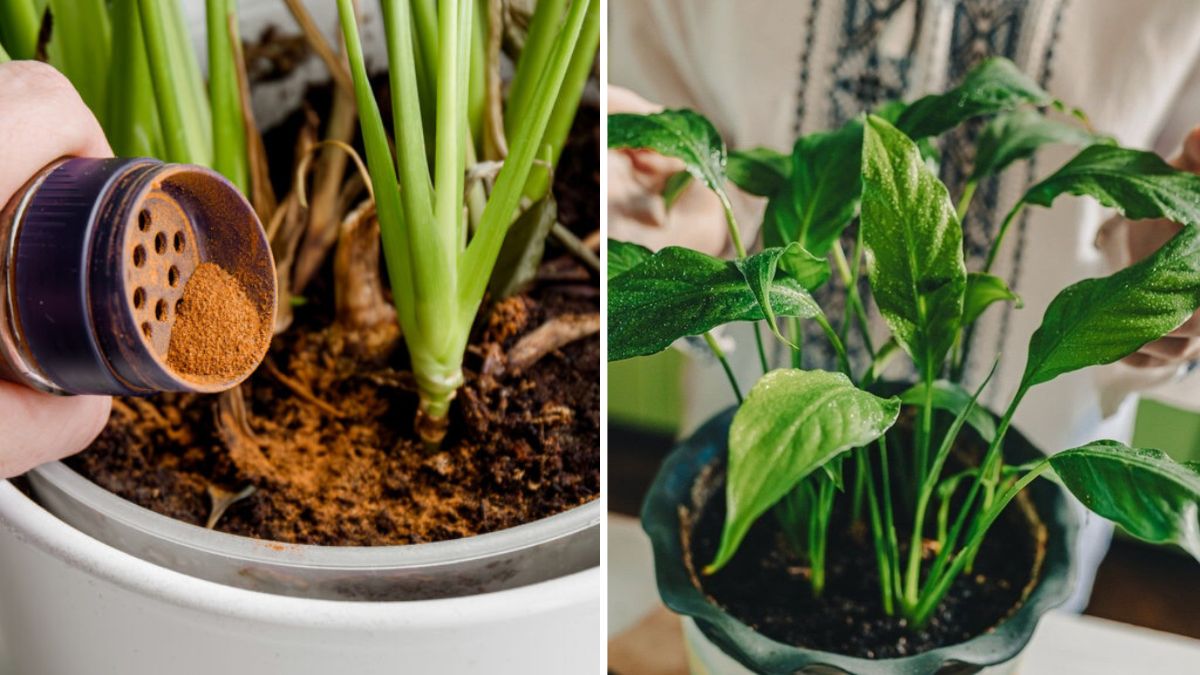
For many plant parents, watering is a delicate dance. Too little, and leaves droop or turn crispy; too much, and roots rot or mold grows on the soil. It’s tempting to give your houseplants water at the first sign of stress, but what if I told you that letting your plants dry out occasionally can actually be beneficial?
While consistent hydration is crucial for growth, periodic drying is equally important for root health, disease prevention, and overall plant vigor. Understanding why, when, and how to let plants dry out can transform your indoor garden into a thriving, resilient oasis.
🌱 1. The Science Behind Drying Out
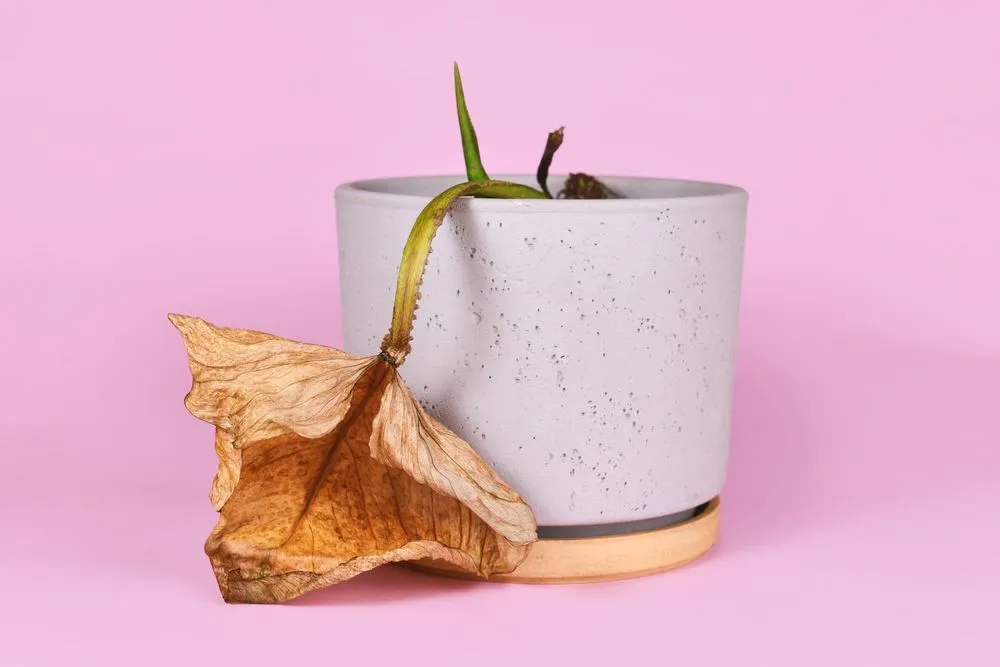
Roots need water — but they also need oxygen. When soil is constantly wet, water fills the air pockets in the soil, suffocating roots and limiting nutrient uptake. Over time, this can lead to root rot, fungal infections, and slow growth.
Allowing soil to dry out creates a cycle of hydration and aeration:
- Moist soil provides nutrients and water for growth
- Dry periods encourage roots to grow deeper and stronger
- Roots become more efficient at absorbing water when it’s available
This cycle mimics natural conditions in the wild. Many plants, like succulents, cacti, and even some tropical species, evolved to thrive in environments where water is not constantly available.

🌿 2. Signs Your Plant Needs a Drying Period
Not every plant benefits from drying out, so it’s important to recognize signs that it’s time to pause watering:
🌱 1. Wilting or Drooping Leaves
While drooping can indicate dehydration, some plants droop temporarily before rebounding after a drying period.
🌱 2. Yellowing Leaves at the Bottom
Older leaves turning yellow may signal that the plant is absorbing excess water or the roots are struggling.
🌱 3. Fungus or Mold Growth on Soil
A thin layer of mold, mildew, or algae indicates consistently wet conditions — a perfect time for a dry spell.
🌱 4. Slow Growth or Weak Stems
Constantly wet soil can stunt root growth, leading to fragile stems or delayed leaf production.

👉 Pro Tip: Always check the soil before watering. Stick your finger 1–2 inches deep — if it’s still moist, hold off.
🌾 3. Benefits of Letting Plants Dry Out
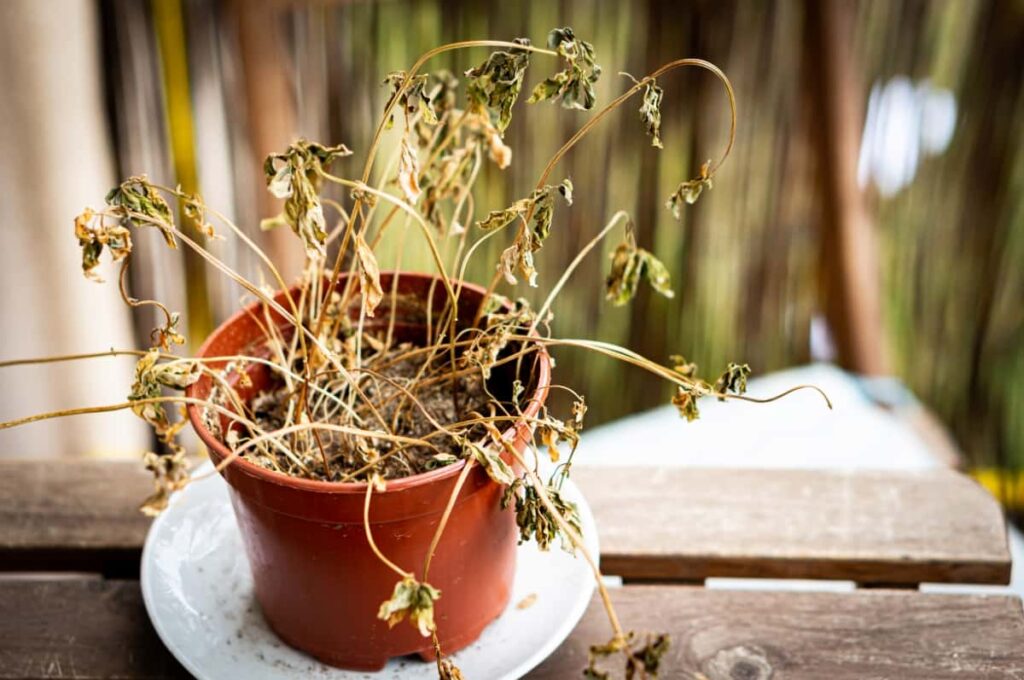
Allowing plants to dry out occasionally has multiple advantages for their long-term health:
🌿 1. Prevents Root Rot
Excessive moisture is the leading cause of root rot in houseplants. Drying out reduces stagnant water around the roots, giving them a chance to breathe.
🌿 2. Encourages Deeper Root Growth
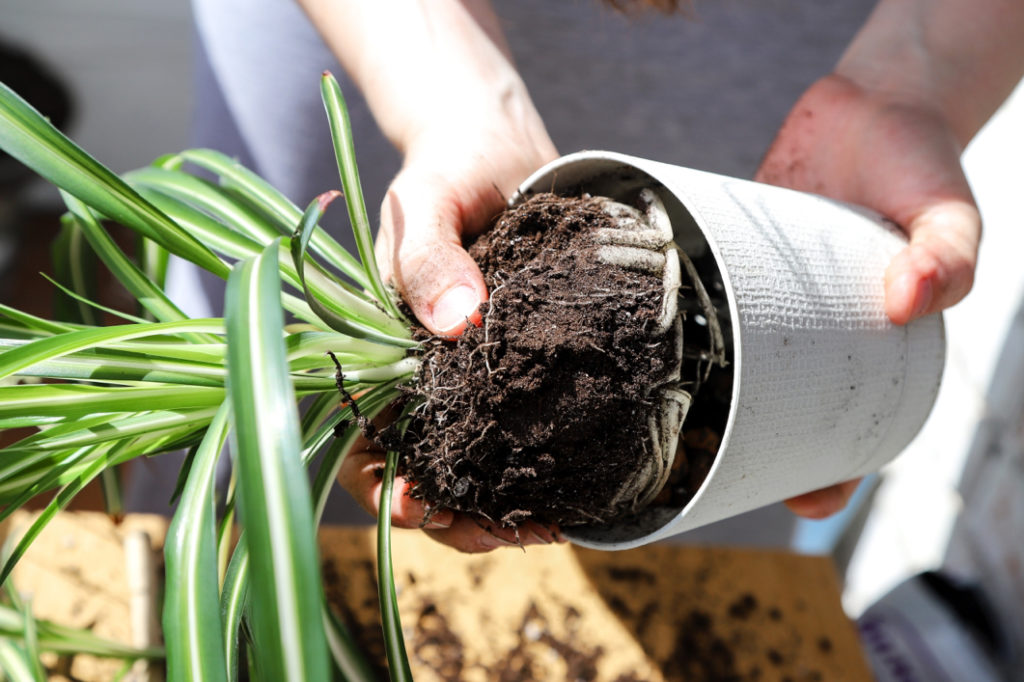
When soil dries, roots are forced to explore deeper layers for moisture, creating a stronger, more resilient root system.
🌿 3. Reduces Pest and Fungal Issues
Most pests, including fungus gnats, thrive in constantly damp soil. Dry periods disrupt their lifecycle and reduce infestations.

🌿 4. Improves Nutrient Uptake
Roots in well-aerated soil absorb nutrients more effectively than those in waterlogged conditions. Dry periods create the perfect balance for nutrient absorption once watered again.
🌿 5. Mimics Natural Environments
Many plants come from regions with dry spells, such as succulents from deserts or tropical plants from seasonal forests. Drying out replicates these natural cycles, promoting healthier growth.
🌸 4. Which Plants Benefit Most from Drying Out
While all plants need occasional aeration, some thrive on periods of dryness:
🌿 1. Succulents and Cacti
- Native to arid environments
- Prefer soil to dry completely between waterings
- Overwatering is their number one killer
🌿 2. Snake Plants (Sansevieria)
- Tolerant of dry soil
- Roots rot easily in constant moisture
🌿 3. ZZ Plants (Zamioculcas zamiifolia)
- Can survive drought periods
- Benefit from dry cycles to prevent soggy soil
🌿 4. Fiddle Leaf Figs and Rubber Plants
- Tropical plants that need well-draining soil
- Occasional drying prevents root rot in pots with less-than-ideal drainage
🌿 5. Herbs and Mediterranean Plants (Rosemary, Lavender, Thyme)
- Naturally grow in dry, sunny environments
- Prefer soil to dry out between waterings
🌾 5. How to Let Plants Dry Out Safely
Simply letting a plant go without water can be risky if done incorrectly. Here’s a safe method:
🌱 1. Check Soil Moisture First
- Use your finger or a moisture meter
- Only skip watering if the top 1–2 inches are still damp
🌱 2. Water Sparingly
- Resume watering when soil is just dry enough to absorb water
- Avoid letting it become bone-dry for too long
🌱 3. Adjust Based on Plant Type
- Succulents: Let soil dry completely
- Tropical plants: Allow partial drying (top layer dry, bottom still slightly moist)
🌱 4. Mind Environmental Conditions
- Indoor heat or AC can dry soil faster
- Adjust watering frequency accordingly
🌱 5. Be Patient
- Plants may appear droopy at first
- Wait a few days; most bounce back once the soil has aired out
🌿 6. Avoid Common Drying Mistakes
🚫 Mistake 1: Assuming All Plants Like Dry Soil
- Fiddle leaf figs tolerate brief drying, but ferns or calatheas require consistently moist soil
- Know your plant’s natural habitat
🚫 Mistake 2: Drying Too Frequently
- Constant stress from drying can stunt growth
- Use dry periods strategically, not as a default
🚫 Mistake 3: Ignoring Soil Type
- Heavy, dense soil retains water longer
- Light, airy mixes dry faster and can handle longer gaps between watering
🚫 Mistake 4: Neglecting Humidity
- Indoor air may be too dry, especially in winter
- Pair drying periods with occasional misting or humidity for tropical plants
🌸 7. Signs of Recovery After Drying
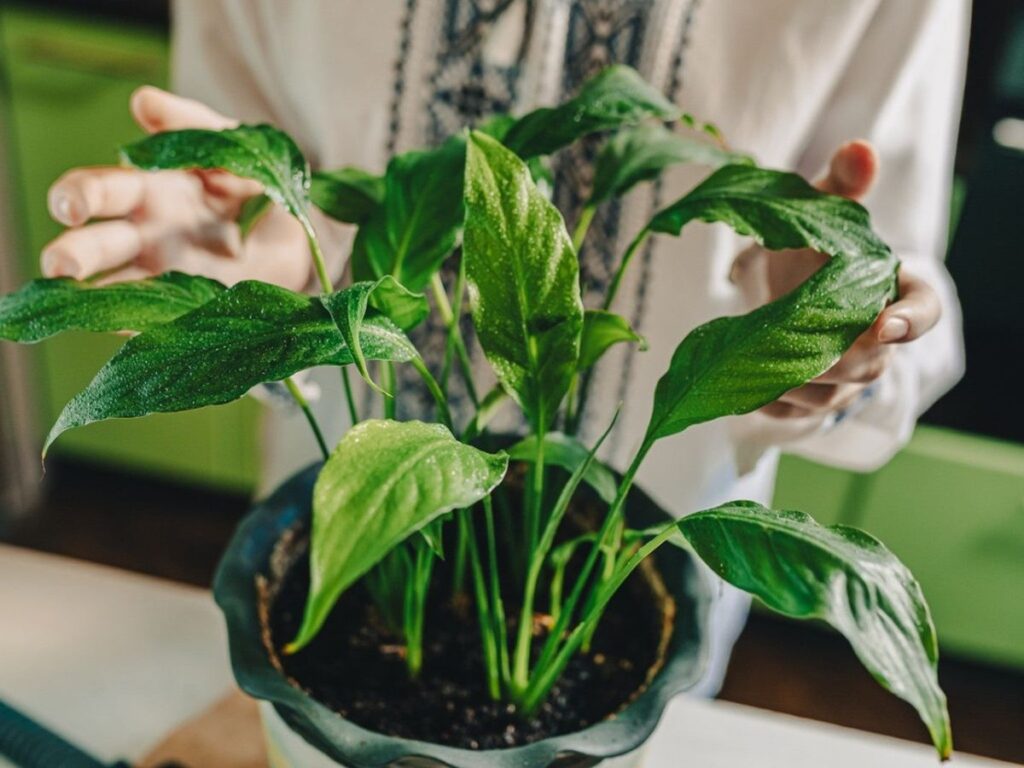
When done correctly, letting plants dry out should show positive signs within a few days to a week:

- Upright leaves and stronger stems
- Vibrant green color returning
- New leaf growth and root expansion
- Reduction in mold or pests on soil
🌾 8. Integrating Drying Cycles Into Regular Care
Drying cycles don’t mean neglect — they’re part of a smart watering routine:
- Water deeply, then allow soil to dry to the appropriate level
- Adjust cycles seasonally (less frequent in winter, more in summer)
- Monitor plants closely and adapt based on their response
👉 Pro Tip: Use a plant journal or watering app to track when you last watered and how the soil responded. This helps fine-tune drying periods for each species.
🌿 9. Bonus: Combining Drying With Aeration
Drying out is most effective when paired with occasional soil aeration:
- Lightly poke holes with a chopstick to loosen compacted soil
- This allows water to penetrate deeper and roots to access oxygen
- Reduces risk of waterlogging when you resume watering
Together, drying and aeration create the ideal cycle of hydration, oxygenation, and nutrient absorption.
🌱 10. Final Thoughts
Letting your plants dry out isn’t neglect — it’s a strategic, science-backed practice that promotes stronger roots, healthier leaves, and better growth. By understanding your plant’s natural environment, checking soil moisture, and integrating controlled dry periods, you can prevent root rot, improve nutrient uptake, and even reduce pest issues.

Remember: Plants need balance, not constant water. Occasional drying replicates natural conditions, strengthens roots, and creates resilient, thriving houseplants.
Next time you hesitate before reaching for the watering can, pause. Check the soil. Ask yourself: Does my plant need a drink, or is it time to let it rest? With patience and observation, letting your plants dry out could be the secret to a greener, healthier indoor jungle. 🌿💧
Leave a Reply