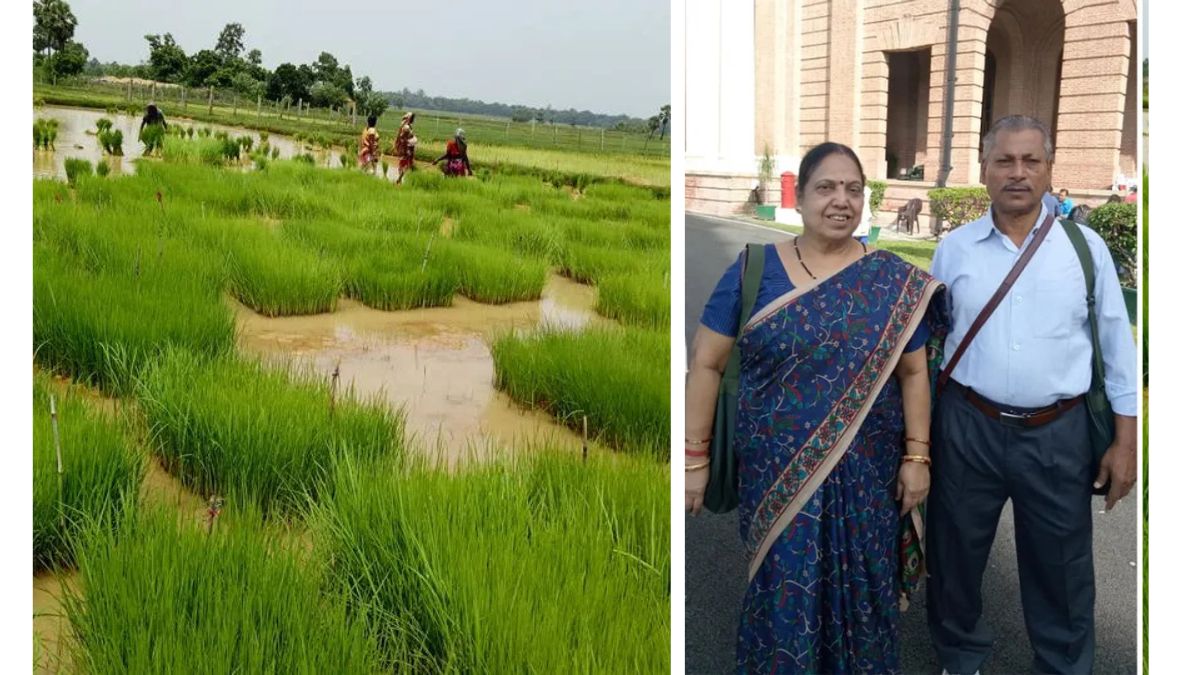
In the heart of Odisha’s Balasore district, a remarkable couple has dedicated their lives to preserving the state’s rich agricultural heritage. Dr. Ashok Kumar Panigrahi and his wife, Kusum Misra Panigrahi, have established Odisha’s largest private seed bank, safeguarding over 1,072 indigenous rice varieties. Their unwavering commitment to seed conservation and community support has made them unsung heroes in the realm of sustainable agriculture.
The Genesis of a Seed Bank
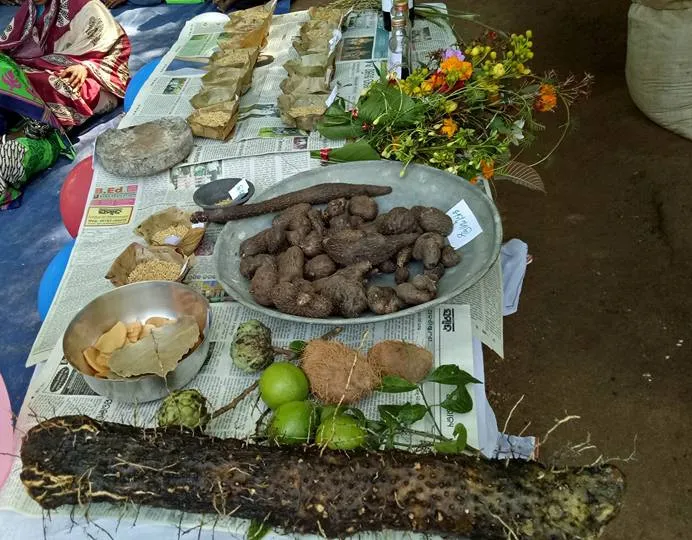
The Panigrahis’ journey into seed conservation began in the aftermath of the 1999 Super Cyclone that devastated Odisha’s coastal regions. Farmers lost not only their standing paddy crops but also their seeds, which were just days away from harvest. The government’s provision of hybrid seeds proved ineffective due to the high salinity of the coastal soil. Recognizing the resilience of indigenous seeds, the couple collected 100 quintals of salt-tolerant paddy seeds from unaffected farmers and distributed them free of charge to over 500 affected farmers.
This act of solidarity ignited a passion for preserving indigenous rice varieties. Between 1996 and 2000, Dr. Panigrahi, then the Head of the Zoology Department at Fakir Mohan Autonomous College, conducted a survey of paddy biodiversity in Balasore district. The survey revealed that approximately 300 native paddy varieties were being cultivated, many of which exhibited resilience to drought, floods, and salinity.

In 2000, the Panigrahis established their seed bank in Chandipur village, beginning with 200 varieties identified during the survey. Over the years, they have expanded their collection to include more than 1,072 varieties, encompassing salt-resistant, flood-resistant, drought-resistant, and therapeutic paddy varieties.
Preserving Agricultural Biodiversity
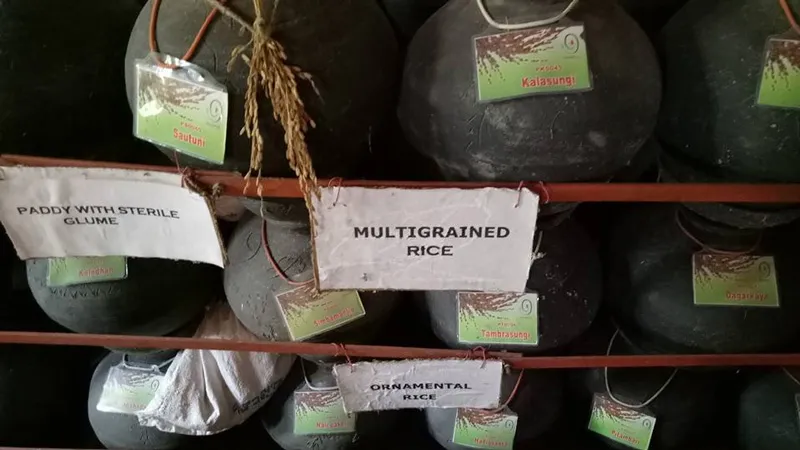
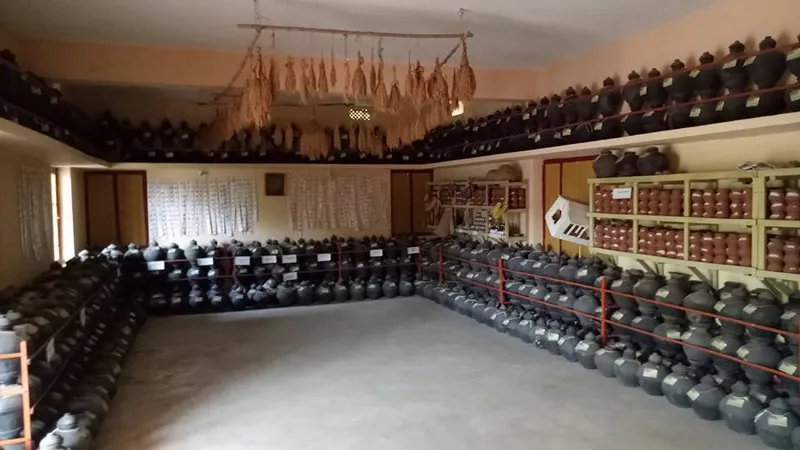
The Panigrahis’ seed bank is a testament to their dedication to preserving agricultural biodiversity. The facility, located on the first floor of their two-storey house, spans 20×40 square feet and houses seeds stored in traditional earthen pots. This method ensures the seeds remain in a moisture-free environment, maintaining their viability for future cultivation.
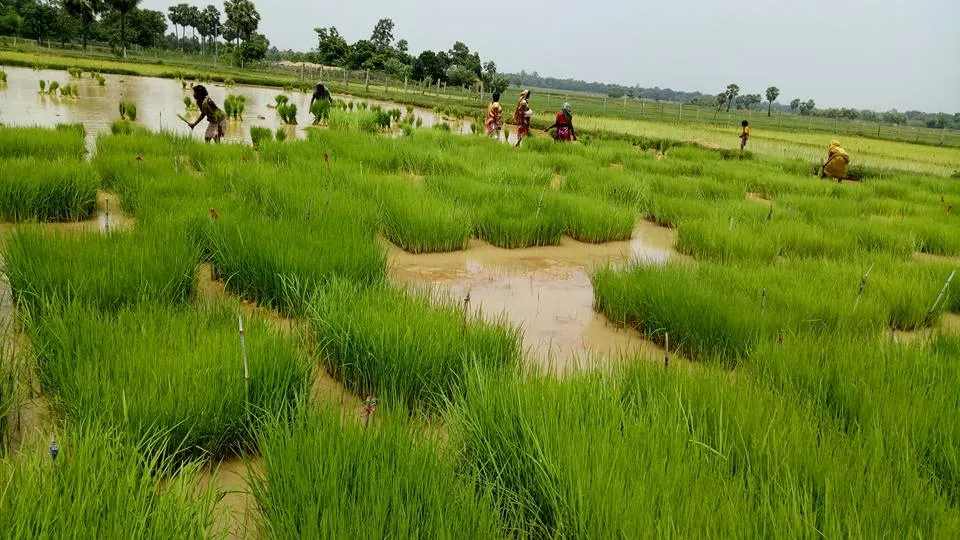
Each year, the couple grows all 1,072 rice varieties on their farm, ensuring the seeds’ purity and viability. They distribute approximately 150 grams of each variety to small farmers owning less than two acres of land, encouraging them to cultivate these indigenous varieties. The Panigrahis emphasize the importance of maintaining the genetic purity of these seeds, discouraging seed transfer to prevent cross-pollination.

Community Support and Disaster Relief
Beyond seed conservation, the Panigrahis have been instrumental in supporting farmers during natural disasters. Whenever floods, cyclones, or droughts affect farmers in Odisha and neighboring states like West Bengal and Tamil Nadu, the couple reaches out to their network of indigenous paddy growers, purchases seeds at market rates, and distributes them free of charge to the affected farmers. They bear 50% of the seed cost, with the remainder funded by Navdanya Trust, a Delhi-based NGO founded by Dr. Vandana Shiva, which promotes biodiversity conservation and organic farming.
Notably, after the 2004 Indian Ocean tsunami, the Panigrahis transported 100 quintals of native paddy seeds from Balasore to Nagapattinam, Tamil Nadu, to aid farmers in rebuilding their livelihoods.
A Legacy of Sustainability
The Panigrahis’ work extends beyond seed conservation; they are champions of sustainable agriculture. Their efforts have inspired numerous farmers to adopt organic farming practices and cultivate indigenous rice varieties, thereby reducing dependence on chemical inputs and promoting ecological balance.

Their seed bank serves as an educational resource, offering workshops and training sessions to farmers, students, and agricultural enthusiasts. By sharing their knowledge and experiences, the Panigrahis are fostering a new generation of farmers committed to preserving biodiversity and practicing sustainable agriculture.
Recognition and Impact
While the Panigrahis’ contributions have largely gone unrecognized by mainstream institutions, their impact is profound. They have not only preserved a vast array of indigenous rice varieties but have also empowered countless farmers to embrace sustainable farming practices. Their work exemplifies the power of grassroots conservation efforts in safeguarding agricultural biodiversity.
In a world increasingly dominated by monoculture and genetically modified crops, the Panigrahis’ seed bank stands as a beacon of hope, demonstrating that preserving traditional agricultural knowledge and practices is crucial for food security and environmental sustainability.

Conclusion
Dr. Ashok Kumar Panigrahi and Kusum Misra Panigrahi’s dedication to conserving Odisha’s indigenous rice varieties is a testament to the power of passion, perseverance, and community spirit. Through their seed bank in Chandipur, they have not only preserved a rich agricultural heritage but have also empowered farmers to cultivate resilient and sustainable crops. Their legacy serves as an inspiration for future generations to value and protect the biodiversity that sustains our food systems.
For more information on their work and to support their mission, visit their official website or contact them directly. Together, we can contribute to a more sustainable and biodiverse agricultural future.

Leave a Reply