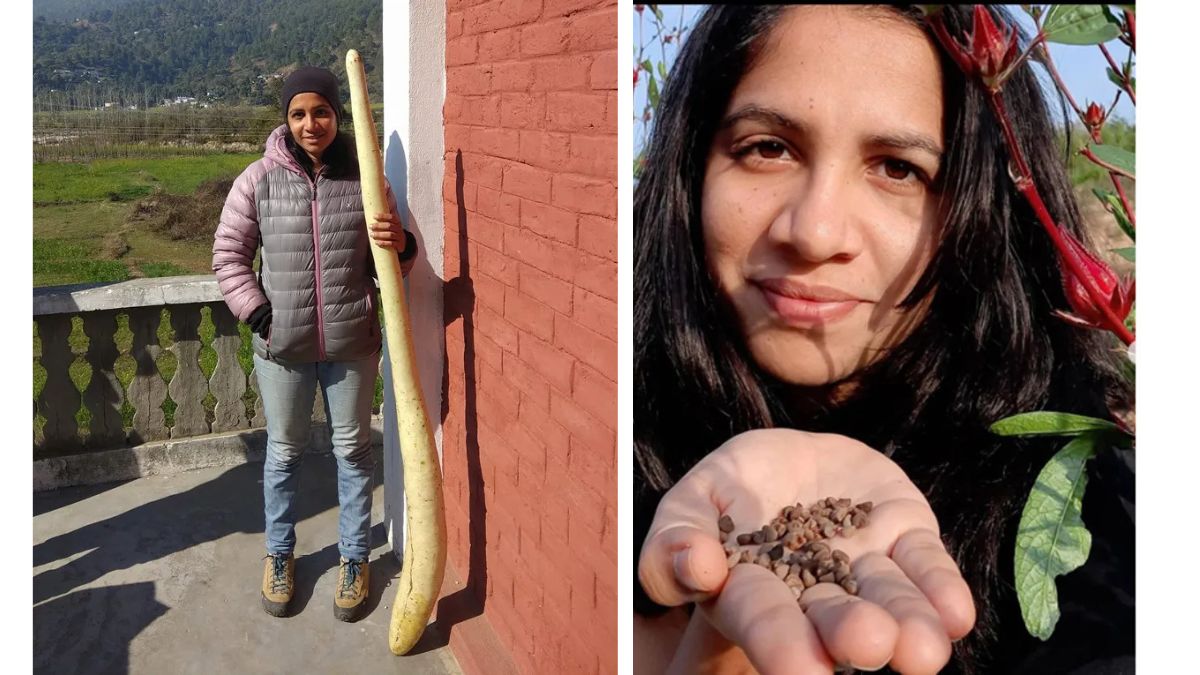
In a world increasingly dominated by genetically modified crops and industrial agriculture, the preservation of indigenous plant varieties has become a critical endeavor. One individual leading this charge in India is Sowmya Balasubramaniam, a former Information Technology (IT) professional who left her corporate career to establish HOOGA Seed Keepers’ Collective, an organization dedicated to conserving and promoting native seed varieties.
Early Life and Career Shift
Sowmya’s journey into seed conservation began in her childhood in Erode, Tamil Nadu, where she assisted her father in sowing seeds and irrigating plants on their family farm. Despite her deep-rooted connection to agriculture, her parents encouraged her to pursue academics, leading her to complete a degree in Information Technology from the Government Engineering College in Erode.
In 2013, Sowmya secured a position with Tata Consultancy Services (TCS) in Chennai. However, her experiences in the city left her feeling disconnected, prompting her to seek fulfillment through social work. Over weekends, she volunteered at orphanages and old age homes, realizing her passion for working with people and communities.
Determined to align her career with her values, Sowmya pursued a Master’s in Social Work from the Tata Institute of Social Sciences (TISS) in Mumbai, graduating in 2017. Her academic excellence earned her awards for best research and best student in her class.

Discovering the Importance of Native Seeds
Sowmya’s professional journey led her to the Institute of Himalayan Environmental Research and Education (INHERE) in Uttarakhand, an organization focused on sustainable development in the Himalayan region. There, she worked closely with rural communities, particularly women who managed farms while the men migrated to cities for work.
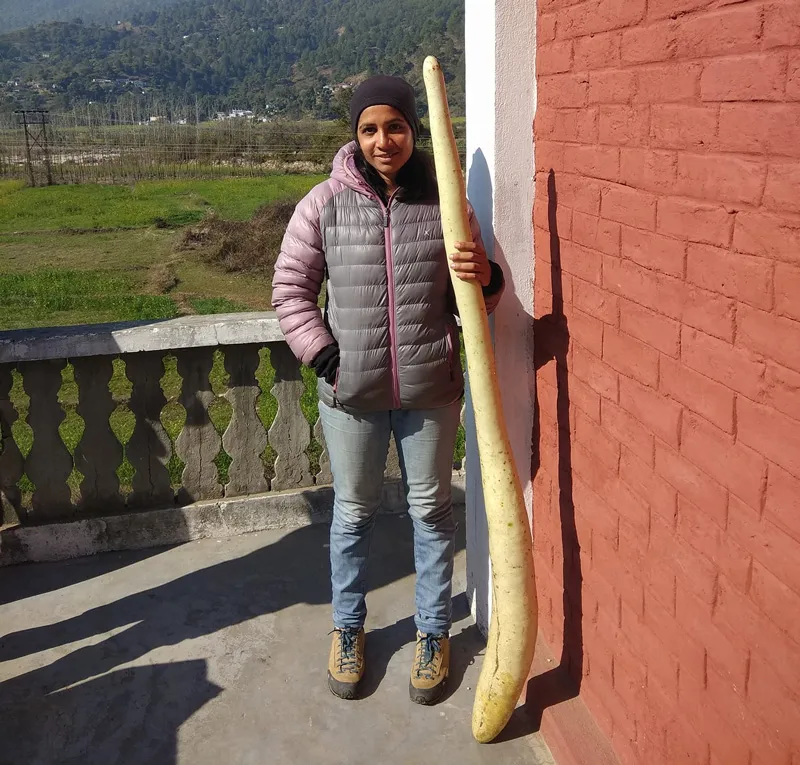
During her travels to remote villages, Sowmya encountered a diverse array of native vegetables. She witnessed a bottle gourd measuring over 5.5 feet in length and observed women segregating 58 different types of kidney beans. These experiences highlighted the rich biodiversity of indigenous crops and the importance of preserving them.
On a visit back home in 2017, Sowmya planted Pinto Beans, and to her surprise, all the seeds germinated and thrived without any additional effort. This regenerative nature of native seeds prompted her to question the reliance on market-bought seeds and inspired her commitment to seed conservation.
Establishing HOOGA Seed Keepers’ Collective
In 2018, Sowmya founded HOOGA Seed Keepers’ Collective, a social enterprise dedicated to conserving native seed varieties and promoting sustainable agriculture. HOOGA stands for “Helping Of Oppressed Generation Of Agriculturists,” reflecting its mission to empower marginalized communities through seed conservation.

The organization’s primary objectives include collecting and preserving indigenous seeds, educating communities about the benefits of native crops, and facilitating the exchange of seeds and knowledge. HOOGA conducts “seed yatras”—travels to culturally significant locations across India—to document local seed varieties and engage with communities.
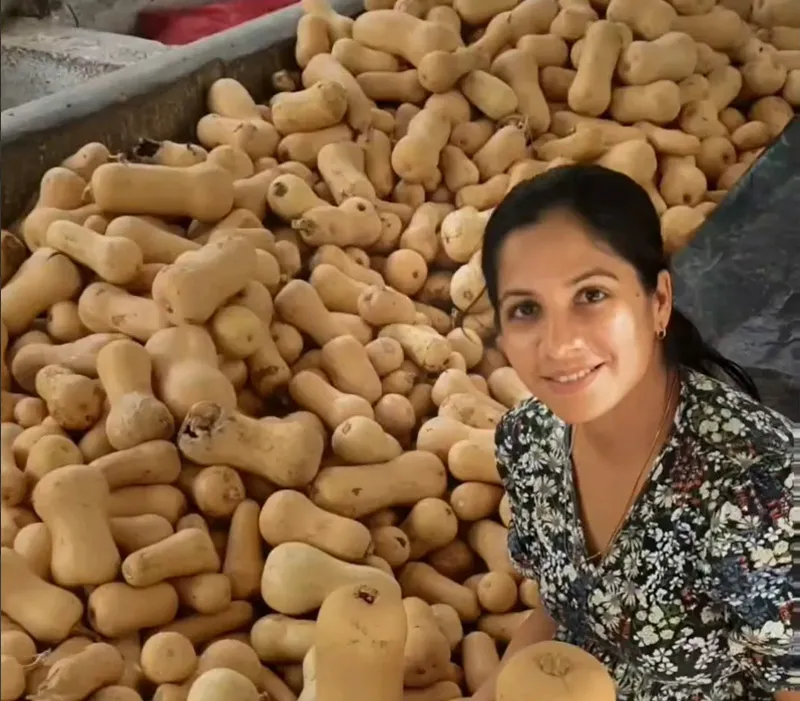
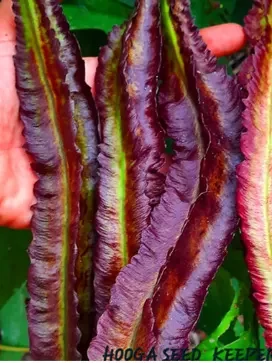
Through these efforts, HOOGA has collected over 250 varieties of native seeds, including vegetables like brinjals, gourds, tomatoes, greens, and peppers, as well as 42 varieties of paddy and various millets. 30 Stades
Collaborating with Communities
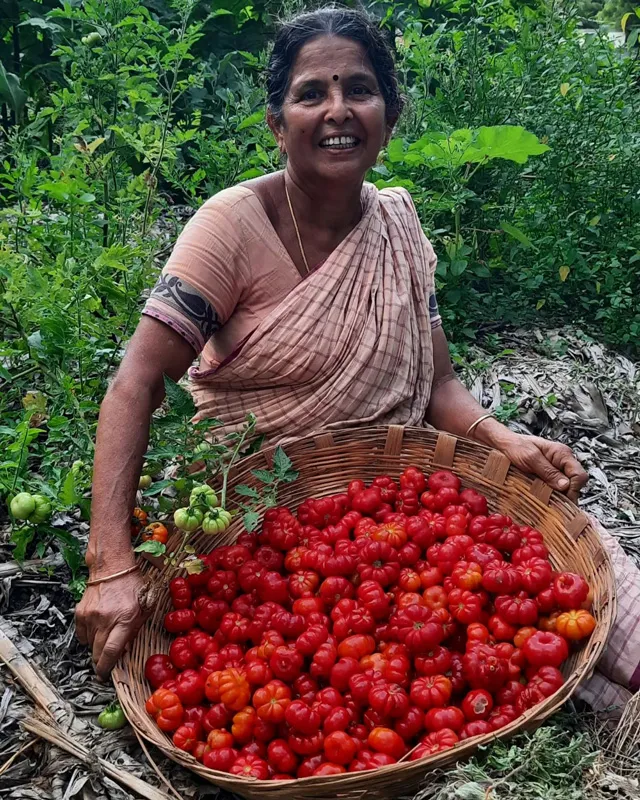
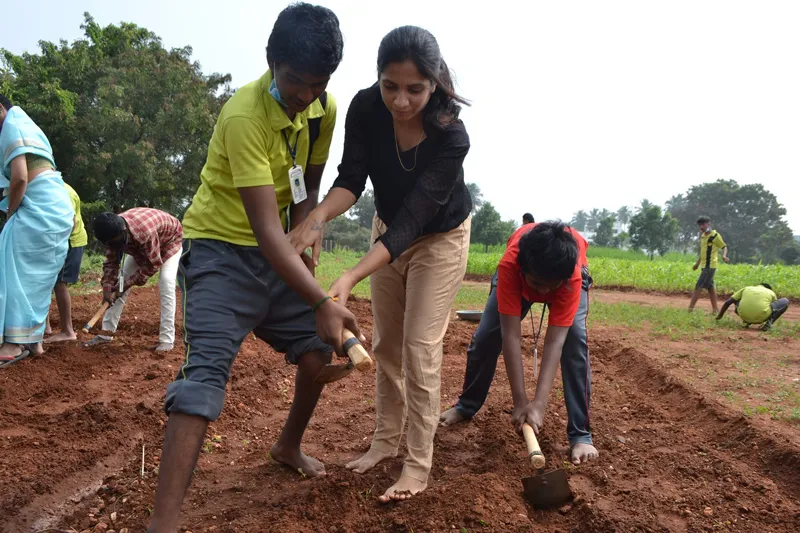
HOOGA’s approach emphasizes collaboration with local communities, particularly small farmers, women self-help groups (SHGs), and home gardeners. The organization provides these groups with native seeds for cultivation and, in turn, purchases the produce, creating a sustainable livelihood for the participants.
By working closely with these communities, HOOGA ensures the purity of seed genes by preventing cross-pollination and maintaining traditional farming practices. This model not only conserves biodiversity but also empowers communities economically and socially.

Educational Initiatives and Outreach
Recognizing the importance of education in promoting seed conservation, HOOGA has established seed libraries in government schools. These libraries allow students to take seeds home, grow them, and return the seeds, fostering a hands-on understanding of agriculture and the value of native crops.
Additionally, HOOGA conducts workshops and training sessions for farmers, gardeners, and the general public, raising awareness about the benefits of native seeds and sustainable farming practices. Through these initiatives, the organization aims to inspire a new generation to value and preserve India’s agricultural heritage.
Challenges and Future Goals
Despite the successes, Sowmya and HOOGA face challenges in scaling their efforts. The dominance of genetically modified seeds and industrial agriculture poses significant obstacles to the widespread adoption of native crops. Additionally, the lack of infrastructure and support for seed conservation initiatives hinders progress.
Looking ahead, Sowmya aims to expand HOOGA’s reach by establishing more seed libraries, collaborating with additional communities, and advocating for policies that support native seed conservation. She envisions a future where native seeds are integral to India’s agricultural landscape, ensuring food security and environmental sustainability.

Conclusion
Sowmya Balasubramaniam’s transition from a corporate IT career to a leader in native seed conservation exemplifies the power of individual commitment to social and environmental causes. Through HOOGA Seed Keepers’ Collective, she has not only preserved over 250 varieties of native seeds but has also empowered communities and inspired a movement towards sustainable agriculture.
Her work underscores the importance of conserving biodiversity and promoting practices that respect and nurture the environment. As HOOGA continues to grow, it serves as a beacon of hope for a future where traditional agricultural knowledge and practices are valued and preserved for generations to come.
Leave a Reply