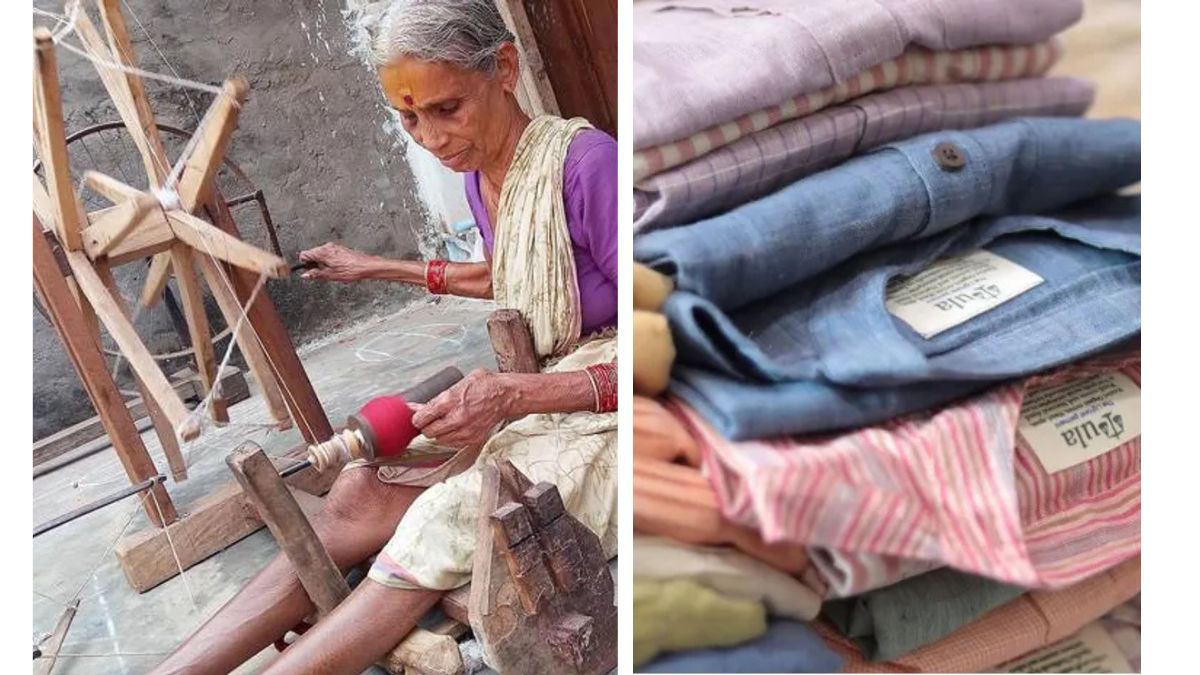
In recent years, India has seen many initiatives to revive traditional, eco-friendly farming and craft practices that were lost under the rise of industrial agriculture and fast fashion. One of the more remarkable stories in this movement is Tüla, a Chennai-based social enterprise that has created a farm-to-fashion model based on organic, desi cotton cultivation, hand spinning, weaving, dyeing, and garment production. Tüla is bringing value back to farmers, spinners, weavers, and tailors, while offering sustainable, ethically made clothes to conscious consumers.
Here’s a deep look at how Tüla started, what it does, and why it matters.
Origins: from organic farming to cotton revival
The seeds of Tüla’s journey were sown in 2007, when Ananthoo and a few friends left corporate careers to start work with small and marginal farmers in southern Tamil Nadu. Their original goal was to support farmers via organic agriculture, particularly through reStore, a not-for-profit outlet selling organic produce sourced directly from growers.
Working in dryland areas near Madurai, Ananthoo and his colleagues urged farmers to experiment with organic cotton, especially desi (native) cotton varieties, to see how they would fare compared to genetically modified (GM) cotton—which by then had become dominant, driven by high inputs of chemical fertilizers, pesticides, irrigation, and expensive patented seed purchase each year.

They found that GM cotton was costly to grow, unsustainable for many farmers, and contributing to soil degradation, financial stress, and farmer distress. Moreover, the inability to save GM cotton seeds each year meant that farmers remained dependent and lost traditional seed sovereignty.
Once they harvested organic cotton from these trials, however, they faced a problem: how to process and sell it in a way that benefits the farmers. Cotton as raw fiber has limited value, and selling it to conventional mills often doesn’t deliver fair returns. This realization pushed them deeper into the cotton and textile value chain, eventually leading to the foundation of Tüla in 2012.
Tüla: restoring balance to the cotton value chain
“Tüla” is a Sanskrit word that refers to cotton, but also means balance—an apt name for a project aiming to restore equilibrium across the cotton economy. The enterprise was built to close the gap between raw organic cotton production and finished garments, ensuring value flows back to all the participants: farmers, spinners, weavers, dyers, and tailors.
At the outset, Ananthoo and his collaborators pooled resources (initial seed funding came from friends) and started paying careful attention to each segment of the chain. Their goal was not only environmental sustainability but also social and economic justice.

By reviving native cotton cultivation and ensuring processing and fabrication were handled ethically, Tüla aims to counteract the exploitative, high-pollution, high-centralization tendencies of conventional textile industry models.
How the supply chain works: from fields to fabrics

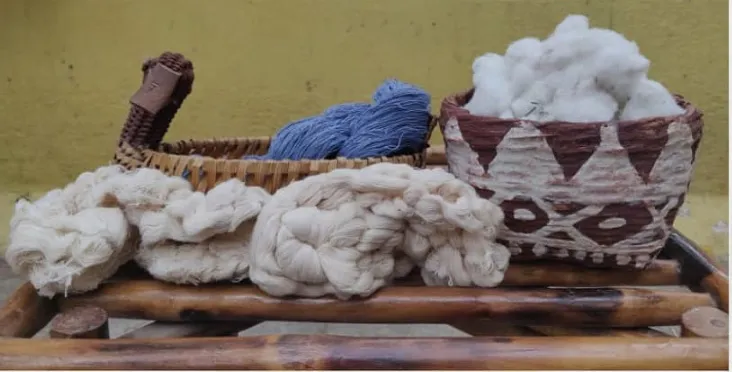
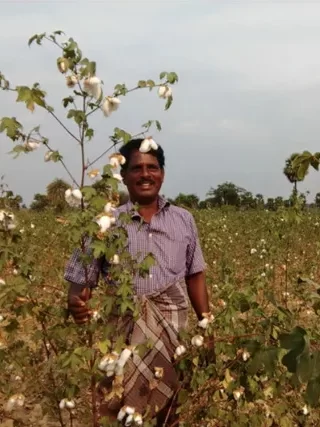
Growing organic desi cotton: Tüla collaborates with farmers in states like Tamil Nadu, Karnataka, and Maharashtra to cultivate traditional cotton varieties, usually under rainfed (non-irrigated) conditions and without chemicals. For example, they procure native varieties like “Karunganni” from Tamil Nadu and “Jayadhar” from Karnataka, which are better adapted to local conditions and can be saved and replanted by farmers.
Hand spinning: After harvesting, cotton goes to women’s self-help groups, for example in Tamil Nadu, to spin yarn manually. The idea is to keep processing as local and decentralized as possible, giving livelihoods to rural communities and preserving craft skills.
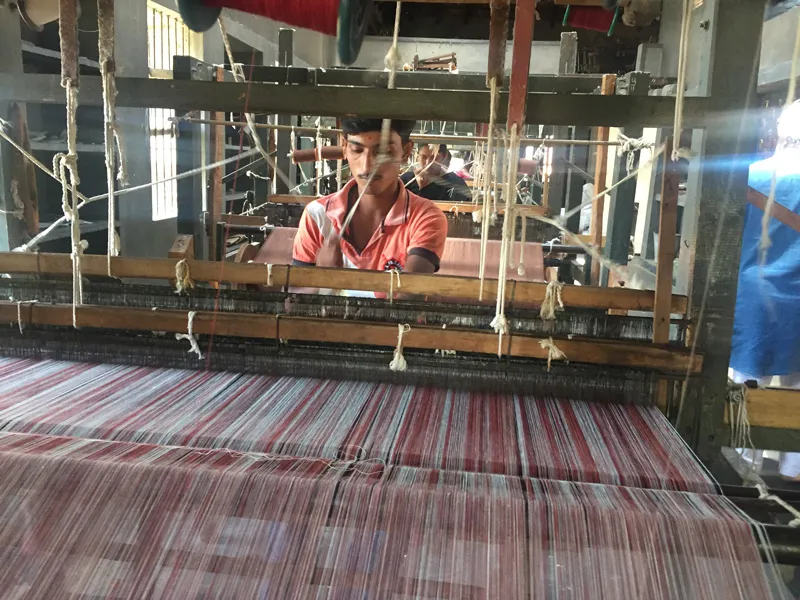
Weaving and dyeing: Spun yarn is passed on to weaving clusters and dyers. In Karnataka, spinning and weaving happens in different clusters, while in Maharashtra, cotton is grown in places such as Akola, spun in Wardha, and sent to weaving regions. Tüla also explores natural dyeing methods to avoid chemical pollution.

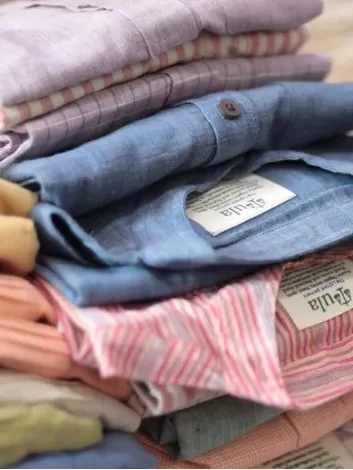
Fabrication and design: Tüla creates finished fabrics and garments—plain cotton cloth, towels, dhotis, shirts, dresses, etc. Designs are often handled by volunteer designers or interns who work with the nonprofit, and the production is kept transparent so that consumers understand the “farm-to-fabric” journey.
They sell through their store in Chennai and via exhibitions in various cities, targeting buyers who want ethical, eco-friendly products and want to support rural livelihoods.
Pricing and scale: Most garments made by Tüla are priced between ₹1,000 and ₹2,000, with sarees being experimented on as a pilot (though desi cotton’s shorter staples make sarees heavier). Tüla also works with newer cotton varieties that have relatively longer staples, aiming to improve fabric quality.
Impact: livelihoods, ecology, and heritage
Tüla’s work spans multiple social, environmental, and economic benefits:

- Reviving seed sovereignty: By promoting native cotton varieties and enabling seed saving from year to year, Tüla helps farmers retain control over their inputs, reducing dependency on expensive or proprietary seed systems.
- Supporting rural communities: Tüla’s value chain supports about 300 people, including 100 small and marginal farmers, spinners, weavers, dyers, and tailors. This means income opportunities for traditionally marginalized or underpaid workers.
- Reducing pollution: Desi cotton grown organically, hand spun, naturally dyed, and handwoven significantly cuts chemical input and environmental damage compared to industrial cotton and textile processing.
- Preserving traditional crafts: The handloom weaving clusters, local spinning groups, and natural dye practitioners are part of India’s cultural heritage. By restoring respect, income, and visibility to these professions, Tüla is contributing to cultural preservation.
- Consumer awareness and ethical fashion: By linking the farm-to-fashion chain, Tüla helps consumers understand the full lifecycle of garments, fostering mindful consumption. Their exhibitions and retail model educate buyers about fair trade, ecological impact, and value distribution.
Challenges and strategies for scaling
Even with promising impact, Tüla faces several challenges in scaling its model. The article highlights some of them and also speaks of strategies that Tüla is adopting:
- Desi cotton’s limitations: Traditional cotton tends to have shorter staple length, making it coarser and heavier compared to modern machine-produced fabrics, and more challenging for some types of garments (e.g. sarees). Tüla is experimenting with improved varieties like PA812 for longer staple length to improve fabric quality in certain products.
- Maintaining purity and quality: Ensuring organic cultivation and protection from cross-pollination, chemical drift, and adulteration is difficult but essential for maintaining value.
- Market reach and consumer awareness: Ethical, organic cotton products generally have higher costs and limited exposure. Tüla has leveraged its Chennai store and exhibitions, but scaling nationwide (or internationally) requires broader distribution, branding, and consumer education.
- Infrastructure and financial sustainability: Although Tüla claims to be self-funded and profitable in its operations, expansion requires investment in storage, logistics, equipment, training, and design innovation without compromising its social/environmental mission.
- Involving younger generations: Many handloom and spinning crafts declined because younger generations avoided these professions. Tüla works with interns and volunteer designers to create pathways back into conscious crafting, but sustained interest and training are needed for long-term revival.
- Replication in other regions: One model is less scalable unless replicated carefully with adaptation to local ecological, social, and craft contexts. Tüla aims to build replicable systems for cultivation, processing, design, and distribution.
Why Tüla matters in broader context
Tüla is not just an isolated experiment—it speaks to several wider issues in Indian agriculture, textile industry, rural livelihoods, and environmental sustainability:
- Farmer distress and cotton dependence: The history of cotton in India carries the burden of farmer suicides, indebtedness, and overuse of inputs, especially in regions growing expensive, water-intensive, GM cotton. By offering an alternative rooted in ecology and tradition, Tüla addresses part of this systemic problem.
- Value chain inequities: Millions of farmers grow cotton, but often reap little in profits once industrial processors, mills, and brands take over. Tüla’s model shows that value addition can and should flow back to those who grow, spin, and weave.
- Environmental impact of fast fashion: Globally, fashion is among the most polluting industries. Initiatives like Tüla offer a more sustainable counter-narrative—less waste, more transparency, and ethical production.
- Cultural resurgence: In reviving desi cotton, hand spinning, and weaving clusters, Tüla helps re-anchor traditional crafts in modern markets. This supports cultural heritage, regional identities, and local economies.
- Sustainable consumption trends: As consumers become more conscious of climate change, chemical exposure, and labor exploitation, ethical fashion models gain traction. Tüla offers a concrete example of how that shift can be tied to farmer welfare, ecological restoration, and social impact.
Conclusion: balancing ethics, economy, and ecology
The story of Tüla is a powerful example of how ethical, sustainable fashion can be viable when rooted in an equitable and transparent value chain. By reviving native cotton cultivation, handcrafting processes, and embedding a respect for ecology and livelihoods, Tüla is creating not only garments but a movement.
It demonstrates that it is possible to bring dignity, income, and ecological balance back to those who grow and make cotton, while offering consumers beautiful, meaningful products that reflect more than just a trend.

As India and the world navigate climate change, biodiversity loss, social inequality, and the pressures of industrialization, initiatives like Tüla offer a hopeful path: one where growth does not mean sacrifice, and craft, community, and care matter as much as profit.
If you like, I can update this with latest metrics from 2025-26, include quotes from the founder, and suggest strategies for scaling and replication.
Leave a Reply