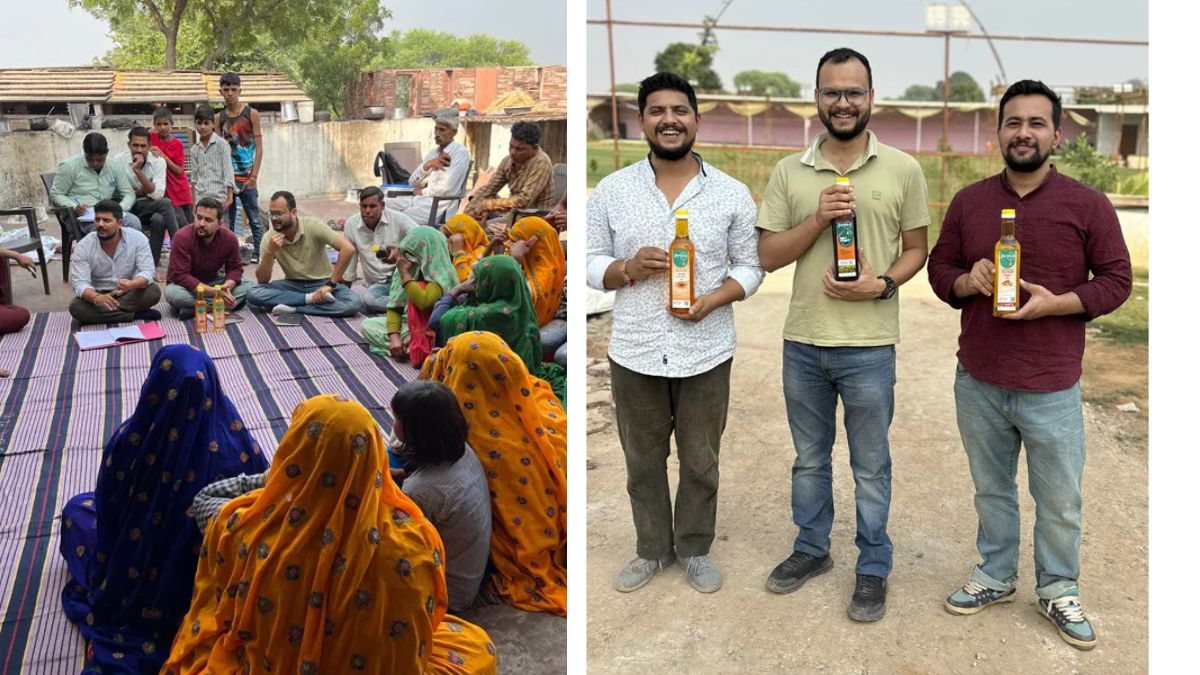
In 2021, three young men from the hills of Uttarakhand—Satyam Bhandari, Rohit Negi, and Mohit Rana—decided to do more than chase careers. They wanted to build something with purpose. Today their venture, Heart in Hills Private Limited, operating under the brand Foreka, is helping hundreds of farmers in Rajasthan adopt natural agriculture, earn fair prices, and fight rural distress, while scaling its own revenues rapidly. What started as a modest initiative has become a model for socially conscious agribusiness.
Roots: Why They Chose the Oilseeds Path
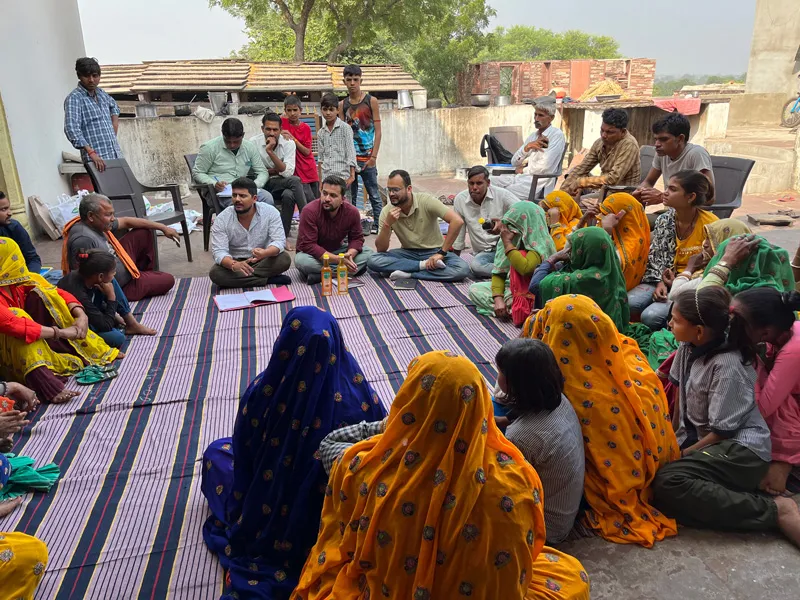
The story begins with Satyam Bhandari. Born in Augustyamuni, about 200 km from Dehradun, he lost his father six days after his birth. His mother, without many resources, raised him and secured a government job, giving him stability. But seeing rural hardship firsthand shaped Satyam’s perspective deeply. During his schooling and later as a Gandhi Fellow in 2018–19, he came face to face with marginalized communities who struggled because of low incomes, lack of opportunity, and migration.
Satyam was joined by his two classmates—Rohit and Mohit—both civil engineers who left their corporate careers to build something that would make a difference. The idea was to work closely with farmers, reduce intermediaries, allow farmers to stay rooted in their land, and get better value for their produce while creating a sustainable business from farm to consumer.
They chose cold-pressed mustard oil, among other oils, for multiple reasons: mustard is widely grown in Rajasthan, the demand for traditional oils—both for taste and health—is rising, and cold-pressed methods preserve nutrients better than industrial refined oils. They also opted for natural, chemical-free cultivation to ensure purity, preserve flavour, and protect the soil and local ecosystems.

The Venture: Foreka & Heart in Hills
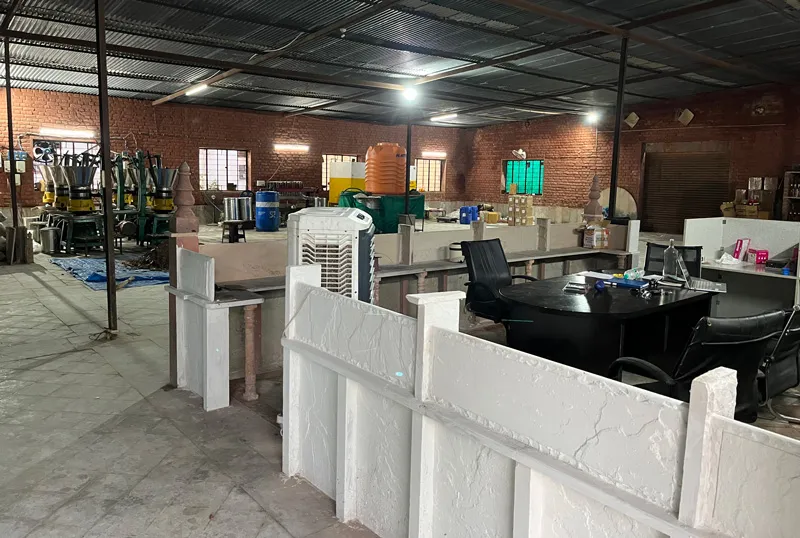
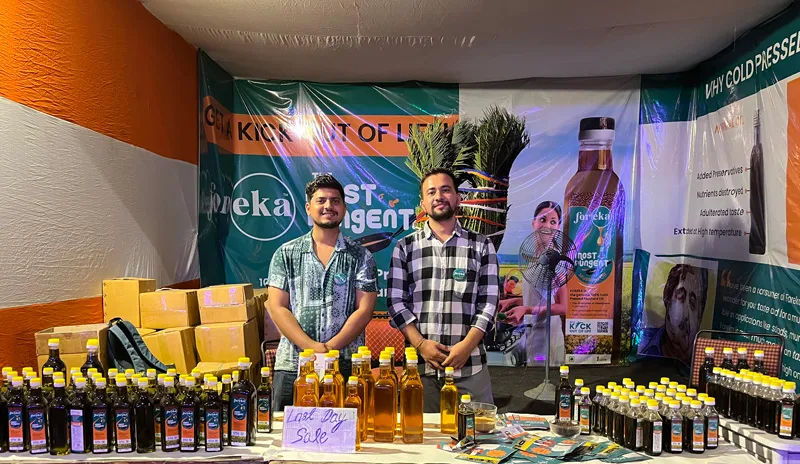
The startup Heart in Hills was formally established in 2021. Their brand Foreka offers cold-pressed oils—mustard oils in both black and yellow varieties, as well as groundnut oil procured via partnerships with Farmer Producer Organisations (FPOs). These oils are minimally processed, preserving essential fatty acids and health benefits.
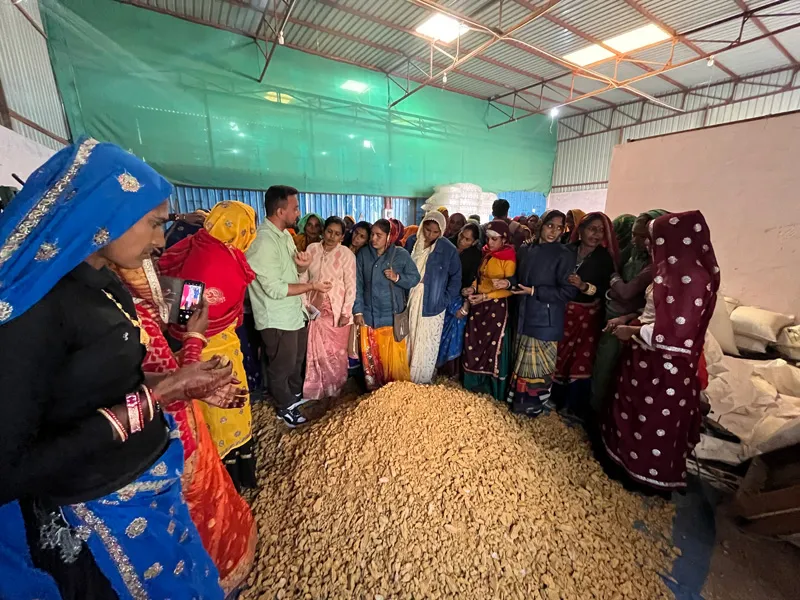
Their operations are centered in Rajasthan’s Karauli district and the Chambal Valley. They engage about 1,200 mustard growers, many from tribal or forested regions, practicing natural farming. They also buy groundnuts from FPOs near Jhansi and process and sell groundnut oil.
One of their production units is in Hindaun city in Rajasthan, where sorting, grading, and oil-pressing happen. They also sell their oils through e-commerce platforms and via their own website, ensuring their products reach both rural and urban consumers.
Business Performance: Rapid Growth & Financials
Foreka’s growth has been remarkable. In fiscal year 2023-24, they recorded revenues of about Rs 60 lakh. By the first half of 2024-25, revenue had risen to Rs 1.3 crore, and they expect to close the year at around Rs 2.5 crore, more than a four-fold increase year-on-year.

Pricing is positioned in the premium segment: black mustard oil is priced at roughly Rs 320 per litre, yellow mustard at Rs 450 per litre, and groundnut oil around Rs 500 per litre. These prices reflect the cold-press, chemical-free nature of the product, and the costs involved in maintaining transparency and quality.
Social & Environmental Impact: Empowering Farmers, Preserving Nature
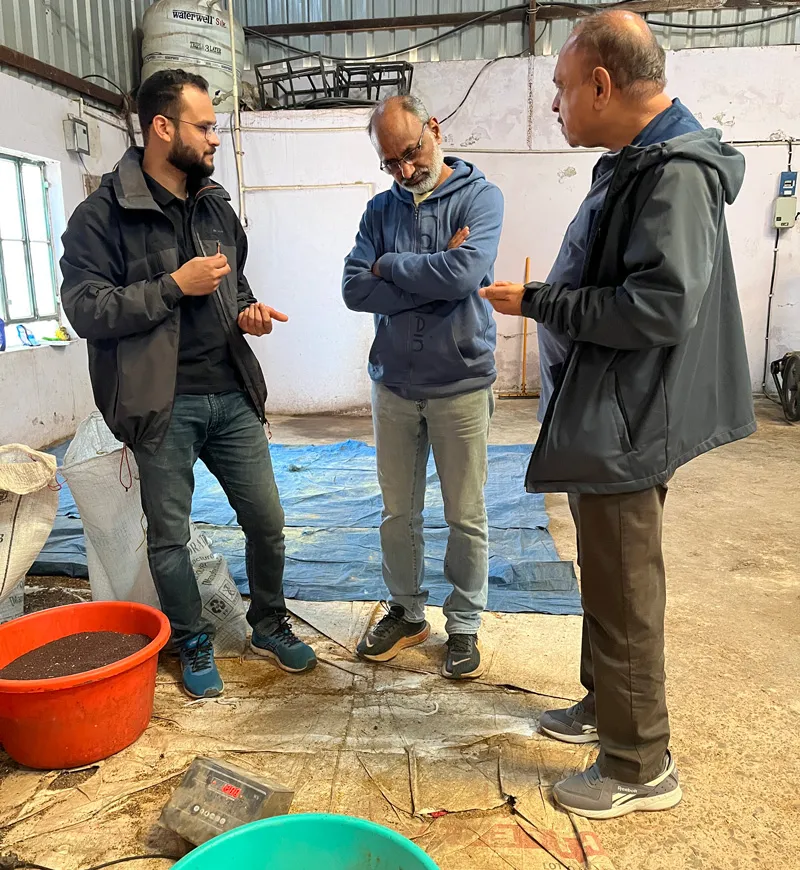
Foreka’s vision is rooted in sustainability and equity. For the founders, farmers are not just suppliers—they are partners. Their model integrates social impact with business success.
- Natural farming: The mustard growers they work with follow chemical-free cultivation methods. This improves soil health, preserves biodiversity, and ensures that the oil is free from harmful residues.
- Fair pricing: By removing middlemen, Foreka offers farmers better prices. The company provides free testing facilities to determine the oil content in mustard seeds, ensuring transparency in pricing. Farmers in their network have seen a 10 percent increase in income due to these fair trade practices.
- Local employment: Setting up processing units close to villages means farmers and women workers don’t need to migrate for work. Even the oil-cake byproduct is reused as cattle feed, creating an additional income source for rural households.
- Sustainability: The cold-press method uses minimal energy. The team reuses transport containers and promotes zero-waste practices. Their commitment to sustainable agriculture includes crop rotation, organic composting, and efficient water use.
In every step, the startup reinforces that profitability and social impact can go hand in hand.
Challenges Faced & Lessons Learned
As with any startup, Foreka’s journey hasn’t been without roadblocks.

Lack of experience: Coming from engineering and management backgrounds, the trio had to learn the intricacies of oil production, procurement, and quality testing from scratch. Early mistakes taught them valuable lessons about supply chain management and consistency.
Financial risk: In one instance, the founders took a loan of Rs 25 lakh to purchase raw materials, only to face delays in payment from a bulk buyer. They were forced to borrow further to sustain operations. But they emerged stronger, tightening financial discipline and introducing better risk management practices.
Seasonal supply and quality variations: Natural farming depends on weather patterns and pest resistance. To ensure reliability, Foreka diversified its farmer network and provided support for better seed selection and pest control using organic methods.
Scaling operations: Growing demand brought logistical challenges—storage, packaging, and maintaining quality at scale. Balancing growth with sustainability became an ongoing focus.

Through it all, their determination and commitment to ethics have remained constant.
Future Plans & Aspirations
The team’s goals for the next few years are both ambitious and grounded in social impact.
- Expanding crop base: Foreka plans to include more oilseeds such as sesame, sunflower, and flaxseed, with the goal of partnering with 10,000 farmers and creating jobs for at least 250 people in new processing units.
- Product diversification: The founders are developing a “House of Mustard” line—value-added products such as mustard sauces, chutneys, and marinades—to build a stronger brand identity and expand into the food innovation space.
- Strengthening distribution: While they already sell online and through select stores, Foreka aims to expand retail presence in metros and explore export markets in the Gulf and Southeast Asia.
- Empowering women: The company is designing training modules to include more women in packaging, logistics, and small-scale production, giving them opportunities for income and skill development.
- Agro-tourism and education: The founders also dream of creating farm-based experiential tourism in Rajasthan—where visitors can see natural farming and cold-pressing in action, bridging the urban-rural disconnect.
Why This Story Matters
Foreka stands as proof that ethical, sustainable agribusiness can thrive in India. It offers lessons not just in entrepreneurship but in community building and ecological balance.
- Nutrition and health: Consumers today are more conscious about what they eat. Cold-pressed oils preserve nutrients and authentic flavours lost in refined oils. Mustard oil, especially, is valued for its health benefits and traditional use.
- Farmer empowerment: Foreka’s model reduces exploitation by middlemen. Transparent testing, better prices, and consistent market access allow small farmers to earn fairly.
- Environmental care: Promoting natural farming reduces chemical use, enhances soil fertility, and makes agriculture climate-resilient.
- Scalable social business: Many rural initiatives remain small and dependent on grants. Foreka’s growth from Rs 60 lakh to Rs 2.5 crore in a year proves that impact-driven businesses can also scale profitably.
- Youth leadership: The story of three engineers leaving comfortable jobs to create rural livelihoods sends a powerful message to India’s youth—that purpose and profit can coexist.
The Road Ahead
As Foreka continues to grow, the founders remain aware of potential challenges. Maintaining consistent quality across seasons, managing cash flows, and scaling ethically are top priorities. Building brand credibility through certifications, strong packaging, and customer education is also essential.

Yet, their biggest strength lies in their clarity of purpose. They are not chasing numbers alone—they are building a system that keeps the farmer at the centre of prosperity. By ensuring traceability, transparency, and fairness, they are redefining how agribusiness can be done in India.
Conclusion
What Satyam, Rohit, and Mohit have built with Foreka is more than a business. It is a bridge between farms and consumers, between tradition and innovation. Their journey shows that success need not come at the cost of ethics or ecology.
From mustard fields in Rajasthan to dining tables across India, Foreka’s oils tell a story of purity, purpose, and partnership. It’s the story of a new India—where young entrepreneurs are rewriting the future of farming, one bottle of cold-pressed oil at a time.
Leave a Reply