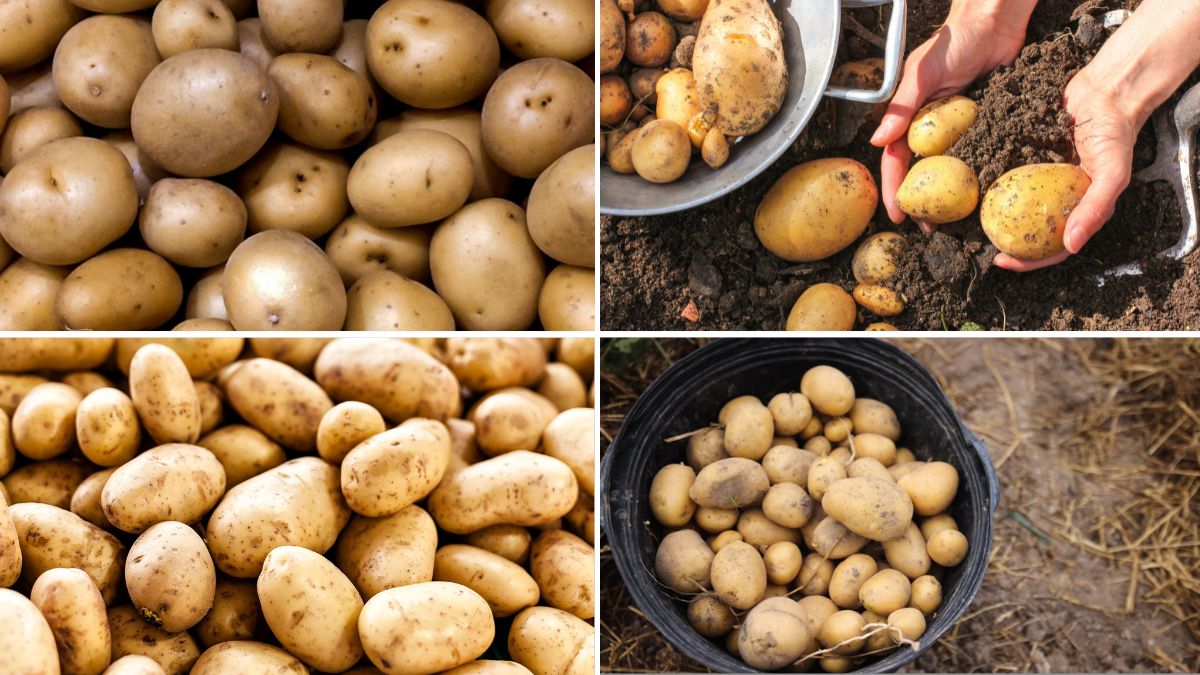
A Comprehensive Analysis of Global Potato Production
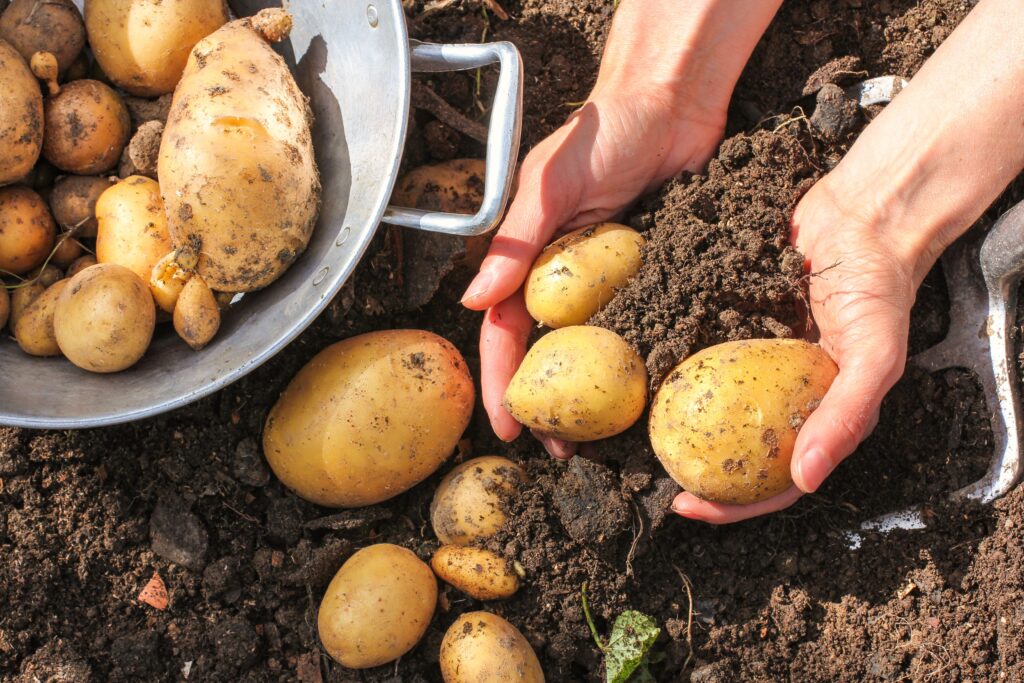
Potatoes are one of the world’s most important staple crops, feeding billions and supporting countless economies. From traditional comfort foods like mashed potatoes and fries to being a base for processed products, the humble potato plays an essential role in global agriculture and food security.
So, which country produces the most potatoes? This article will dive deep into global potato production, spotlight the leading country, explore cultivation techniques, economic impacts, and challenges facing this vital crop.

The Global Importance of Potatoes
Potatoes (Solanum tuberosum) originated in the Andes mountains of South America around 7,000 years ago and have since become a global staple. Today, potatoes are the world’s fourth-largest food crop after rice, wheat, and maize.
Their versatility, nutritional value, and ability to grow in diverse climates make potatoes essential to food security, especially in developing countries. They are a critical source of carbohydrates, vitamins, and minerals.

Which Country Produces the Most Potatoes?
The country that produces the most potatoes globally is China.
China is by far the world’s largest potato producer, with production levels dwarfing those of other countries.

China: The Potato Giant
Production Highlights:
- Annual Production: Over 90 million metric tonnes (latest data)
- Global Share: Around 25-30% of total world production
- Leading Provinces: Inner Mongolia, Gansu, Yunnan, Hebei, Sichuan
- Uses: Fresh consumption, processed products (chips, fries), starch production, and animal feed
Why China Leads:
- Vast Agricultural Land: China cultivates potatoes in multiple climatic zones, from temperate north to subtropical south.
- Government Support: National policies promoting potato as a staple food and an industrial crop.
- Diverse Varieties: China grows both early and late-season potatoes adapted to different regions.
- Growing Domestic Demand: Rapid urbanization and changing diets increase demand for processed potato products.
India: The Rising Potato Producer
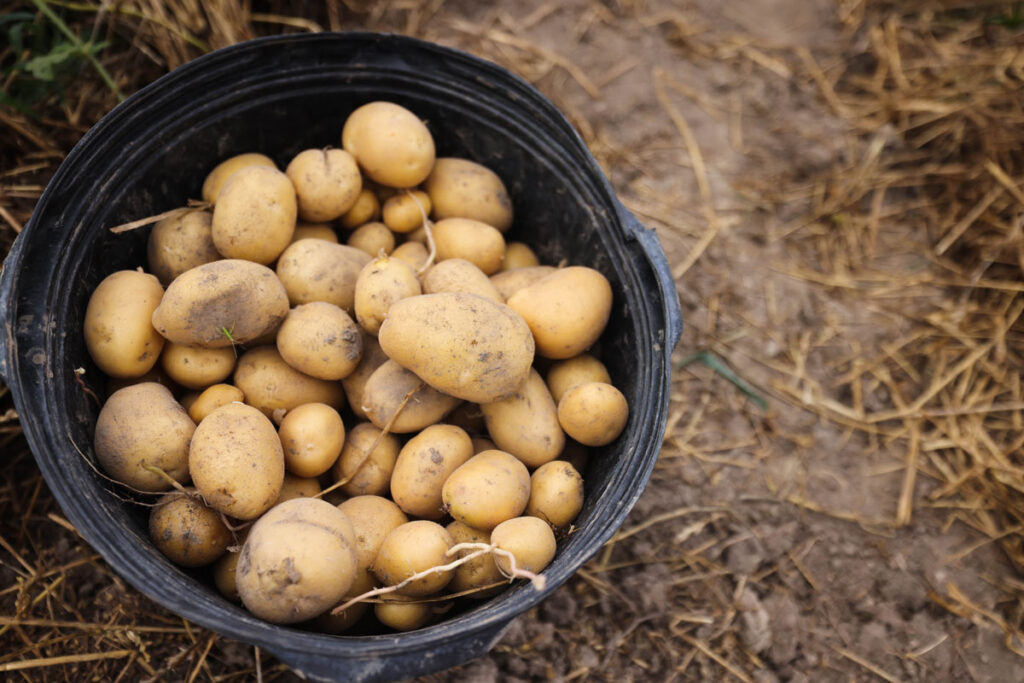
- Annual Production: Around 50 million tonnes
- Major Growing Regions: Uttar Pradesh, West Bengal, Bihar, Punjab, Gujarat
- India ranks second globally, with potatoes being a key crop in both rural diets and commercial agriculture.
India’s potato production is steadily rising, supported by improved farming methods and expanded irrigation.
Russia: The Traditional Potato Country
- Annual Production: Approximately 30 million tonnes
- Key Regions: Central Russia, Siberia, Ural Mountains
- Potatoes have been a dietary staple in Russia for centuries, often referred to as “the second bread.” Russia maintains high production despite harsh climates through cold-tolerant varieties.
United States: The Commercial Potato Hub
- Annual Production: Roughly 20 million tonnes
- Major States: Idaho (famous for potatoes), Washington, Wisconsin, Maine
- The U.S. is known for high-quality processing potatoes, fueling the fast-food industry and frozen food sector worldwide.
Other Important Potato Producers
| Rank | Country | Annual Production (Million Tonnes) | Notes |
|---|---|---|---|
| 1 | China | ~90 | Largest producer; diverse uses |
| 2 | India | ~50 | Rapid growth and large demand |
| 3 | Russia | ~30 | Traditional staple crop |
| 4 | Ukraine | ~20 | Key European producer |
| 5 | United States | ~20 | Focus on processing and export |
| 6 | Germany | ~12 | Strong European production |
How Potatoes Are Cultivated
- Climate: Potatoes thrive in cool climates, typically between 15-20°C during growth.
- Soil: Well-drained, loose, fertile soils rich in organic matter.
- Planting: Seed potatoes (small tubers or pieces) are planted in rows, usually in spring.
- Growth: Plants develop underground tubers over 70-120 days depending on the variety.
- Harvest: Timing depends on maturity; early varieties mature faster, while late types yield higher production.
Uses of Potatoes Worldwide
- Fresh Consumption: Boiled, baked, mashed, or fried in homes and restaurants.
- Processing Industry: Chips, fries, dehydrated flakes, and frozen foods.
- Industrial Uses: Potato starch for food processing, textiles, and paper industries.
- Animal Feed: Potato waste and culls are used as livestock feed.
Economic and Social Impact of Potato Production
- Potatoes are a critical source of income for millions of smallholder farmers globally.
- The global potato market is valued at billions of dollars annually.
- Potatoes contribute significantly to rural development, food security, and poverty alleviation.
- In developed countries, potatoes fuel large-scale agribusiness and processed food sectors.
Challenges in Potato Production
1. Diseases and Pests
- Common threats include late blight (famous for causing the Irish Potato Famine), potato cyst nematodes, and viral infections.
- Effective disease management involves resistant varieties, crop rotation, and fungicides.
2. Climate Change
- Rising temperatures and erratic rainfall impact yields and quality.
- Drought and heat stress reduce tuber size and increase susceptibility to disease.
3. Post-Harvest Losses
- Potatoes are perishable; losses occur due to poor storage, transportation, and handling.
- Cold storage facilities and supply chain improvements are crucial.
4. Market Volatility
- Price fluctuations and import-export barriers affect farmer incomes.
- Access to markets and fair pricing remain challenges, especially for smallholders.
Innovations and Future Directions
- Development of drought and disease-resistant potato varieties through biotechnology.
- Precision agriculture to optimize water, fertilizer, and pesticide use.
- Improved storage technologies to reduce post-harvest losses.
- Promotion of potatoes as a climate-smart crop due to relatively low water requirements compared to other staples.
Conclusion: The Potato World Today
Which country produces the most potatoes?
China holds the top spot by a large margin, leveraging vast land, supportive policies, and diverse climates.
Countries like India, Russia, and the United States follow, each playing key roles in feeding their populations and contributing to global food supply.
Potatoes remain a vital crop for nutrition, income, and industry worldwide, facing challenges that require innovation and sustainable practices to ensure their future.

Leave a Reply