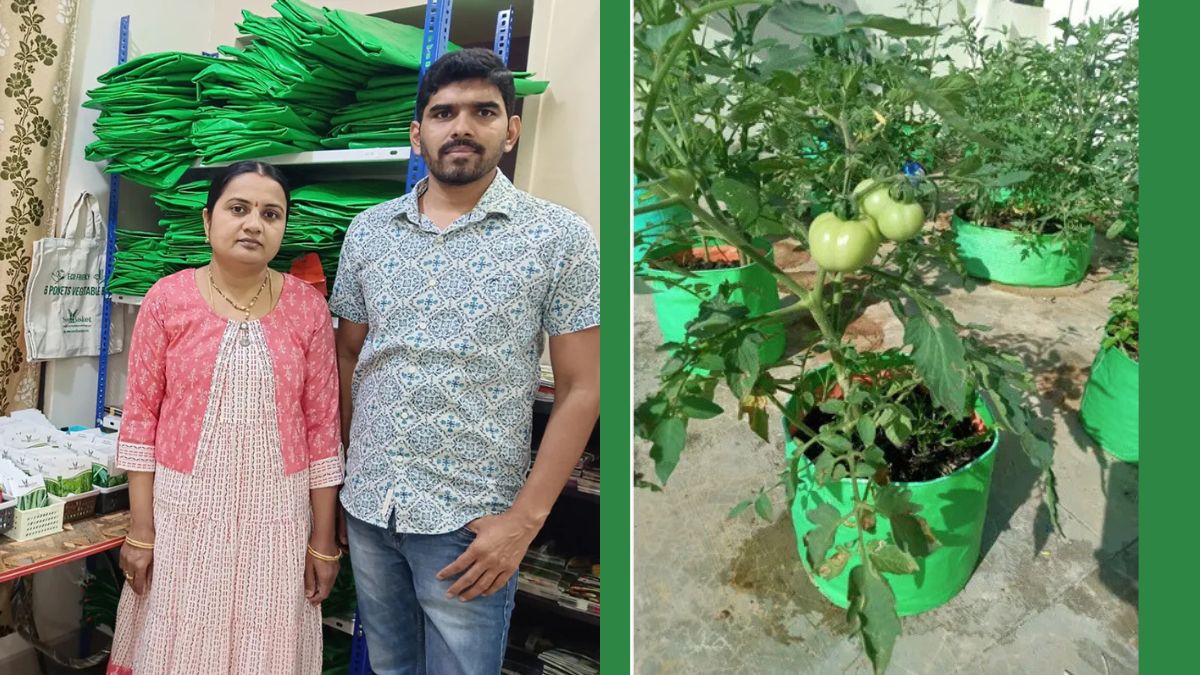
In 2016, Chandana and Naveen Gade embarked on a journey that would not only transform their lives but also contribute significantly to the conservation of native crop varieties in India. Their venture, Seedbasket, began as a personal quest to provide their infant daughter with organic vegetables and has since blossomed into a thriving business that generates an annual revenue of ₹50 lakh.
The Genesis of Seedbasket
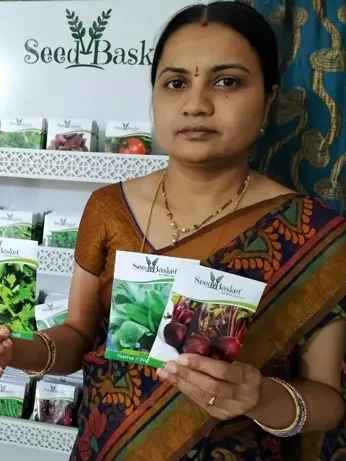
Chandana, hailing from an agricultural background in Khammam district, Telangana, was no stranger to the joys of homegrown produce. However, upon moving to Hyderabad and becoming a mother, she faced challenges in sourcing organic vegetables for her family. The available options were either expensive or lacked authenticity, leading her to consider growing her own.
“Getting the vegetables was tough. They were expensive and I was not sure whether they were really organic,” Chandana recalls. This dilemma sparked the idea of cultivating leafy vegetables like spinach and fenugreek on their apartment balcony.
However, the couple soon realized that acquiring native seeds in small quantities was a significant hurdle. At that time, there was no dedicated online marketplace catering to native seeds. Recognizing a gap in the market, Chandana and Naveen decided to create a platform that would provide access to native seeds and other gardening materials.

Establishing the Venture
With an initial investment of ₹1 lakh, Seedbasket was launched from their 2BHK apartment in Hyderabad. Naveen, leveraging his background in computer applications and digital marketing, developed the website and managed the online presence. Meanwhile, Chandana focused on sourcing seeds and managing operations.
Their first challenge was procuring quality native seeds. They reached out to farmers who still practiced traditional farming methods and were willing to sell their surplus seeds. One such farmer is Alla Madhu Babu from a village near Bhadrachalam, Telangana, who has been supplying native seeds like green sorrel and spinach to Seedbasket for the past four years.
“We use ‘desi’ (native) seeds to grow our crops and also sell the seeds. Earlier, after harvest, we would use the waste material to feed our cattle. We met the Seedbasket founders at a function. Now we separate the seeds in the waste and sell them to Seedbasket,” says Madhu Babu.
Product Offerings and Customer Base
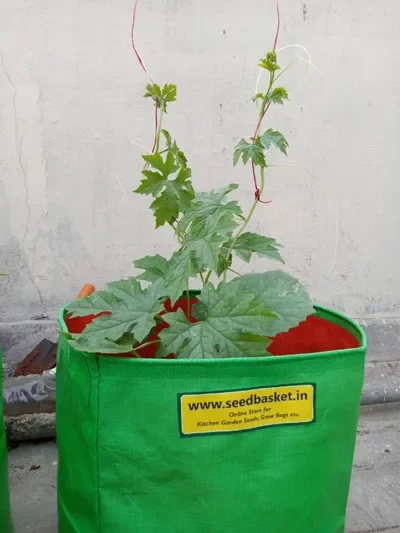
Seedbasket began by offering a modest range of products, including native seeds of vegetables, fruits, flowers, grow bags, and cow dung cakes. Over time, their product catalog expanded to include nearly 200 items, catering to the diverse needs of home gardeners.

The response from customers was overwhelming. What started with just two orders in the first month grew to 1,500 orders per month, with a customer base of 30,000 in just two years. The demand for native seeds surged as more urban dwellers embraced the idea of growing their own organic produce.
The Importance of Native Seeds
Native seeds, also known as indigenous or desi seeds, are varieties that have been traditionally grown in specific regions and are well-adapted to local climatic conditions. These seeds offer several advantages over hybrid varieties:
- Resilience: Native seeds are naturally pest-resistant and suited to local climatic conditions. Some are drought and flood-resistant as well.
- Cost-Effectiveness: They do not require chemical fertilizers and pesticides, making them less expensive to cultivate.
- Nutritional Value: Vegetables grown from native seeds often have superior flavor and are nutrient-rich.
- Sustainability: Native seeds can be collected from plants and stored for future use, unlike hybrid seeds, which have to be purchased for every crop.
By promoting the use of native seeds, Seedbasket not only provides healthier food options but also contributes to the conservation of biodiversity and the preservation of traditional farming practices.
Overcoming Challenges
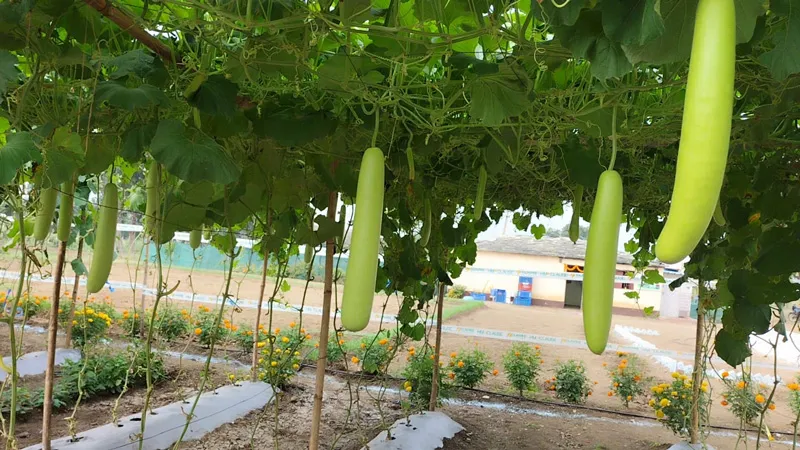
The journey was not without its challenges. One of the major hurdles was the procurement of native seeds, as commercial farming practices were becoming the norm, and many farmers had shifted to hybrid seeds. To address this, Seedbasket collaborated with farmers who still practiced traditional farming methods and were willing to sell their surplus seeds.

Another challenge was ensuring the quality and germination rate of the seeds. Seedbasket tests the seeds for germination quality before offering them to customers. If the germination rate is below 60-70 percent, the seeds are discarded.
Logistics and shipping also posed initial difficulties. However, over time, Seedbasket streamlined its operations, ensuring timely delivery and customer satisfaction. To further assist customers, they developed an instruction manual that is sent with each order, providing guidance on planting and care.
Future Plans and Vision
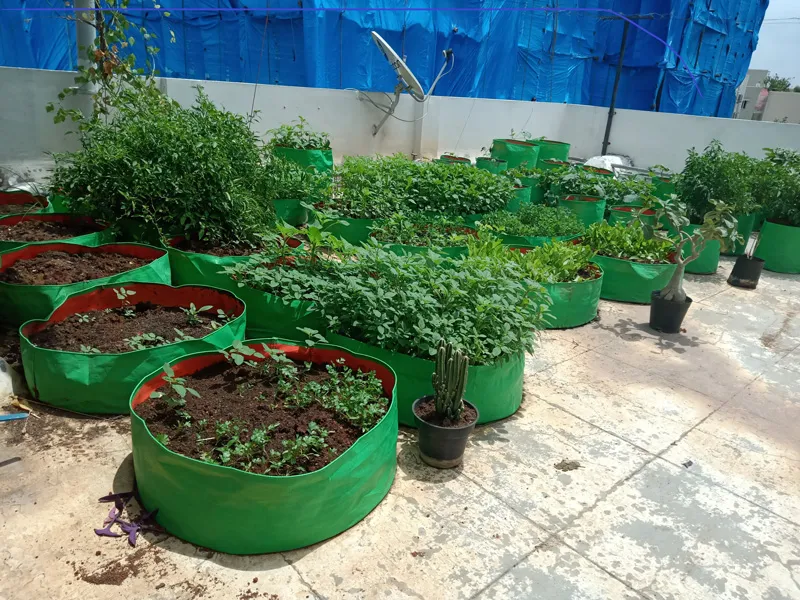
Looking ahead, Seedbasket aims to expand its reach and continue promoting sustainable gardening practices. The founders envision a future where more individuals embrace the idea of growing their own food, leading to healthier lifestyles and a reduced carbon footprint.
“We want to empower individuals to grow their own food, make informed choices, and contribute to a more sustainable environment,” says Naveen.

In addition to expanding their product offerings, Seedbasket plans to collaborate with more farmers to source a wider variety of native seeds. They also intend to conduct workshops and awareness programs to educate the public about the benefits of native seeds and organic gardening.
Conclusion
Chandana and Naveen Gade’s journey from a small balcony garden to a thriving business is a testament to their dedication and passion for promoting sustainable living. Through Seedbasket, they have not only built a successful venture but have also played a crucial role in conserving native crop varieties and encouraging organic gardening practices.
Their story serves as an inspiration to aspiring entrepreneurs and individuals looking to make a positive impact on the environment and society. By embracing traditional practices and adapting them to modern needs, they have demonstrated that small steps can lead to significant changes.
As Seedbasket continues to grow, it stands as a beacon of hope for a future where individuals take responsibility for their food sources and contribute to a healthier planet.

Leave a Reply