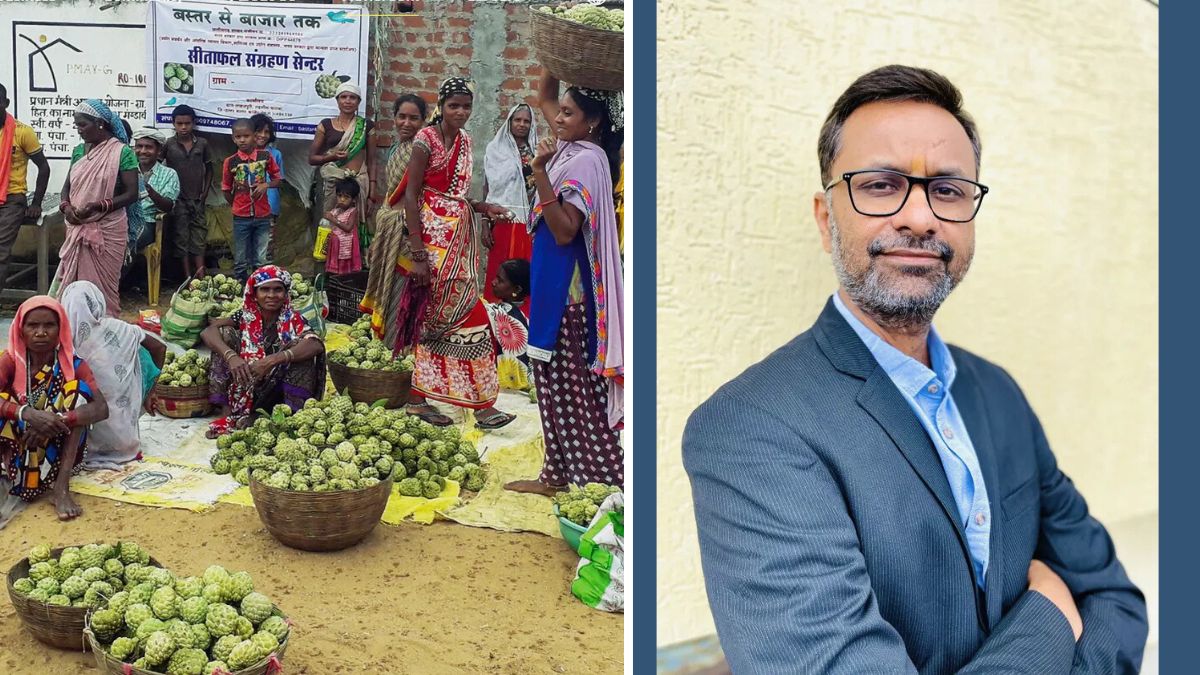
In the heart of Chhattisgarh’s Bastar region, a transformative initiative is reshaping the livelihoods of tribal women. Satendrasingh Lilhare, a social entrepreneur, founded Bastar Se Bazaar Tak (BST), a venture that bridges the gap between forest dwellers and urban markets. By processing and marketing Non-Timber Forest Products (NTFPs), BST empowers over 1,150 tribal women, providing them with fair wages and reducing their dependence on exploitative middlemen.
The Genesis of Bastar Se Bazaar Tak
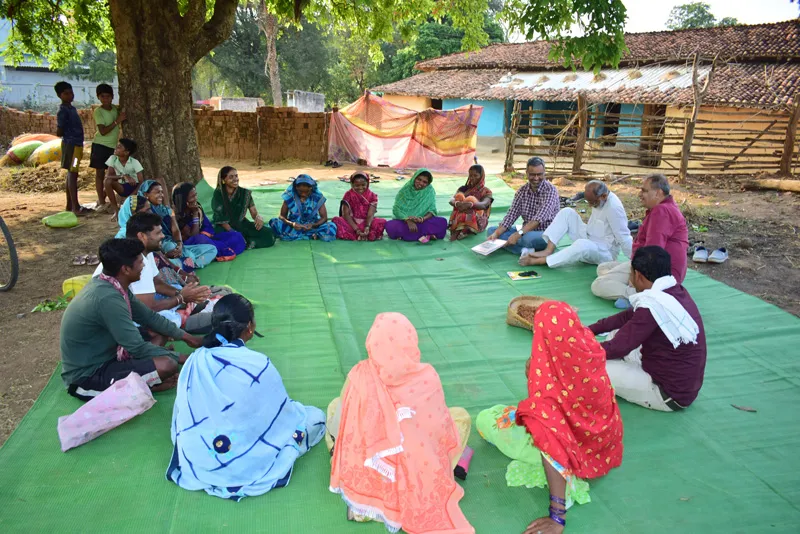
Raised in a village on the border of Chhattisgarh, Satendrasingh witnessed the struggles of tribal women firsthand. His mother and maternal aunt worked tirelessly in agriculture, yet their earnings were meager. This experience ignited his passion to uplift the community. After gaining insights into rural development through his work with a non-profit organization, Satendrasingh recognized the potential of Bastar’s rich forest resources. In September 2020, he co-founded BST with the mission to empower tribal women by providing them with fair wages and market access for their forest produce.

Empowering Women Through Fair Trade
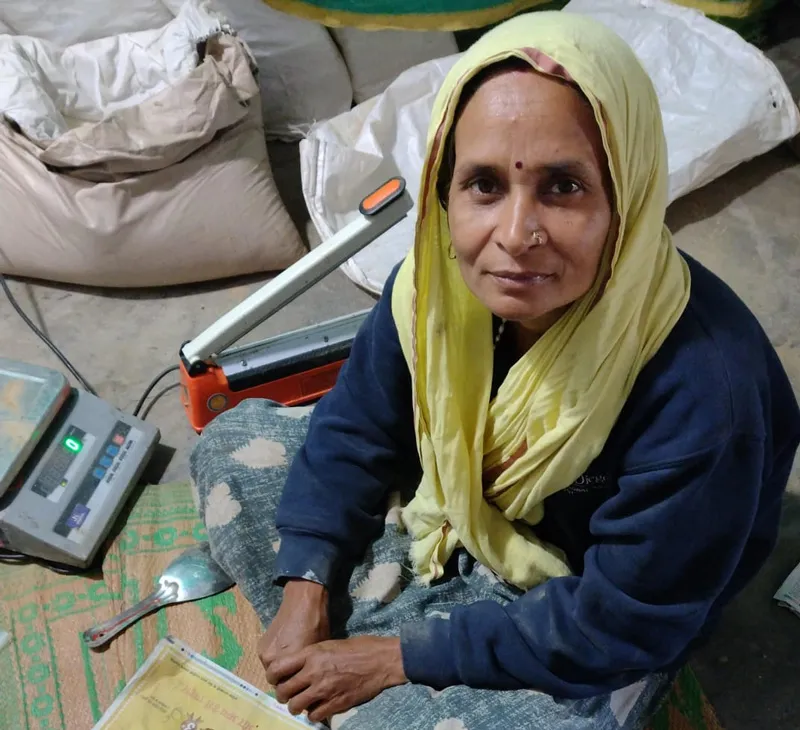
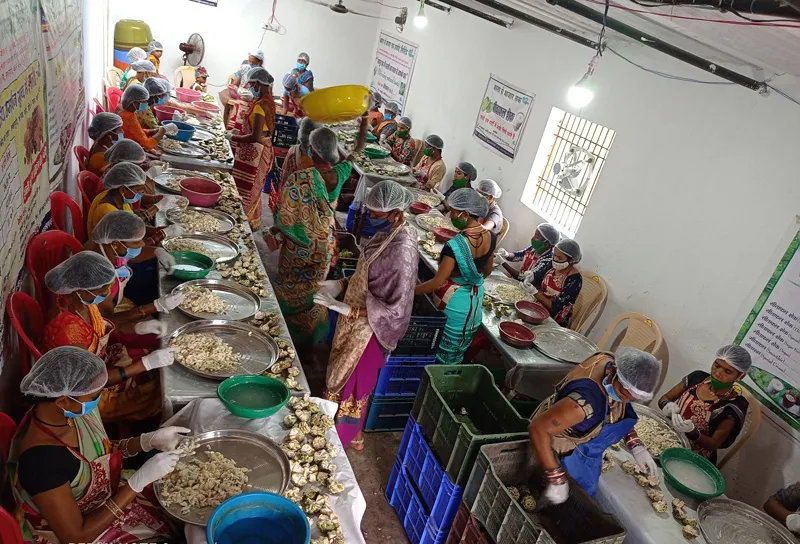
BST operates on a model that eliminates middlemen, ensuring that tribal women receive more than double the price they would through traditional channels. The venture procures approximately ₹40–45 lakh worth of NTFPs annually, including tamarind, custard apple, jamun, desi mango, papaya, elephant yam, and mahua flowers. These products are processed into various forms such as pulp, slices, powder, puree, paste, and cakes at BST’s three processing centers.
By directly purchasing from women collectors and farmers, BST not only provides fair compensation but also creates employment opportunities within the community. Women are employed to wash, sort, and grade the produce, earning an average monthly wage of ₹6,000 in addition to income from the sale of their produce. This model fosters economic independence and enhances the social status of women in the region.

Sustainable Practices and Product Range
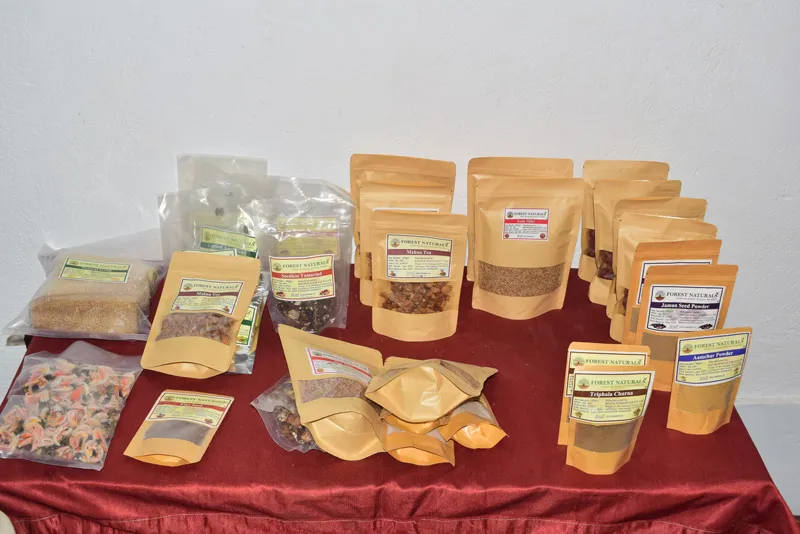
BST’s commitment to sustainability is evident in its processing methods. The venture focuses on value addition to reduce post-harvest losses and maximize the utility of forest resources. Products like mahua ladoo, mahua tea, wild honey, and various fruit-based items are marketed under the brand name Forest Naturals. These products cater to urban consumers seeking natural and organic alternatives, thereby creating a sustainable market for forest produce.
The venture’s success is a testament to the viability of integrating traditional knowledge with modern business practices. By preserving indigenous techniques and promoting sustainable harvesting, BST ensures the conservation of forest biodiversity while providing economic benefits to tribal communities.

Challenges and Future Prospects
Despite its success, BST faces challenges such as limited infrastructure and the need for continuous skill development among tribal women. To address these issues, the venture is exploring partnerships with government agencies and NGOs to enhance training programs and expand its reach. Additionally, BST aims to diversify its product line and explore new markets to increase its impact.
The vision for the future includes establishing more processing units, strengthening supply chains, and promoting the brand nationally. By scaling operations, BST aspires to uplift more tribal women and contribute to the economic development of the Bastar region.

Conclusion
Satendrasingh Lilhare’s initiative, Bastar Se Bazaar Tak, exemplifies how social entrepreneurship can drive sustainable development and empower marginalized communities. Through fair trade, skill development, and market access, BST is transforming the lives of tribal women in Bastar. As the venture continues to grow, it serves as a model for integrating traditional knowledge with modern business practices to achieve inclusive and sustainable development.

Leave a Reply