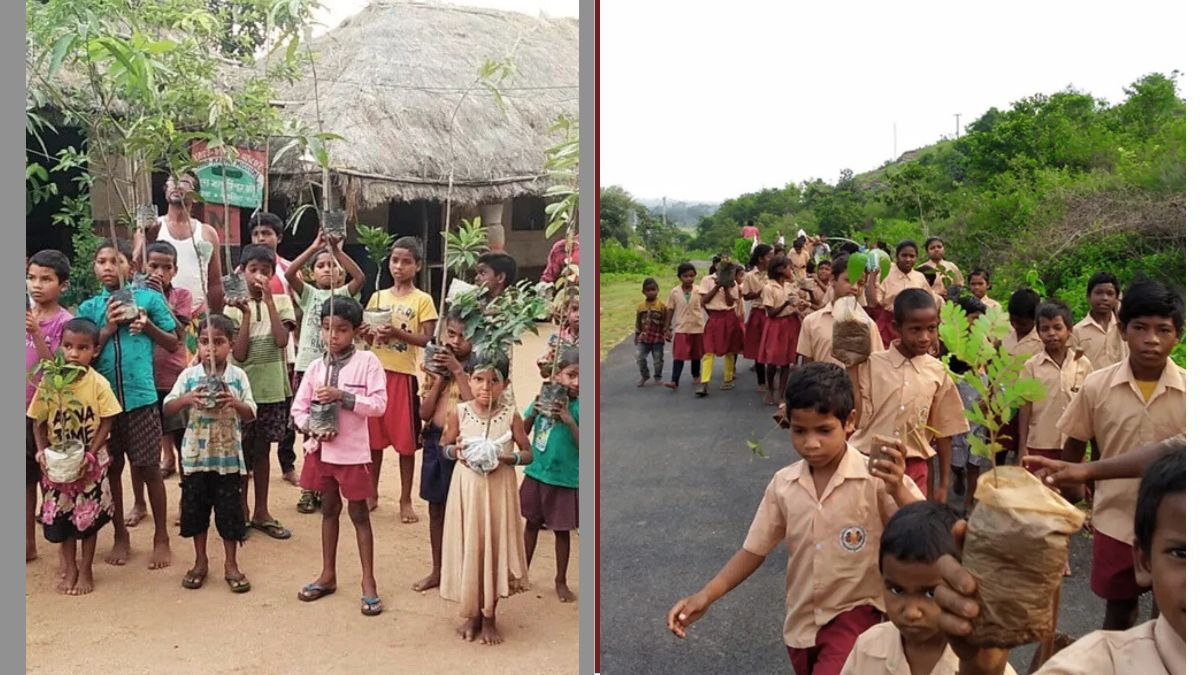
In the heart of West Bengal’s Purulia district, nestled within the serene Ajodhya Hills, a remarkable transformation has taken place over the past decade. What was once a barren, rocky terrain is now a thriving forest, thanks to the unwavering dedication of Naren Hansda, a Santhali folk singer turned environmental activist. Alongside a group of orphaned children, Hansda has not only rejuvenated the land but also instilled a sense of purpose and pride in his community.
The Beginning of a Green Revolution
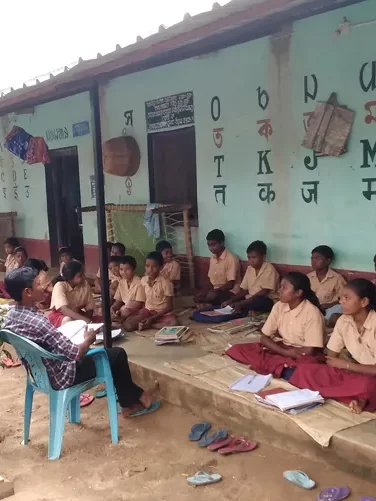
Born and raised in Jahajpur village, Naren Hansda hails from the Santhal tribe, one of India’s indigenous communities. His deep-rooted connection to his culture and environment led him to pursue a career in music, particularly Santhali folk songs. In 2012, Hansda established the Purulia Dharti Marsal Society, a sanctuary for orphaned children. It was here that he began noticing the environmental degradation around him. The once lush hills were being stripped of their natural resources, and the land was rapidly becoming barren.
Determined to make a change, Hansda embarked on an ambitious afforestation project. Armed with saplings and a vision, he began planting trees on the rocky slopes of the Ajodhya Hills. His efforts were initially met with skepticism, but his passion and persistence gradually won over the community.

The Role of Orphaned Children
Recognizing the power of education and community involvement, Hansda integrated his afforestation efforts with the upbringing of the children in his care. The orphaned children, who had found a home and education at the Purulia Dharti Marsal Society, became active participants in the plantation drive. Their daily routine involved waking up early, carrying water, and trekking to the hills to plant and nurture saplings.
This hands-on approach not only contributed to the success of the plantation but also taught the children valuable lessons in environmental stewardship and community service. As Hansda proudly states, “My children are very energetic. They never get tired of plantation activities.”
A Thriving Ecosystem
Over the years, the collective efforts of Hansda and his team have borne fruit. The once barren hills are now adorned with a variety of native tree species, including palash, amla, bahera, myrobalan, Coromandel ebony, mahua, and piyal. These trees have transformed the landscape, providing shelter and sustenance to a diverse array of wildlife.

The rejuvenated forest now hosts wild rabbits, rock pythons, jackals, and numerous bird species, signaling the successful restoration of the local ecosystem. The plantation has not only improved the environment but has also enhanced the quality of life for the surrounding communities.
Community Engagement and Awareness
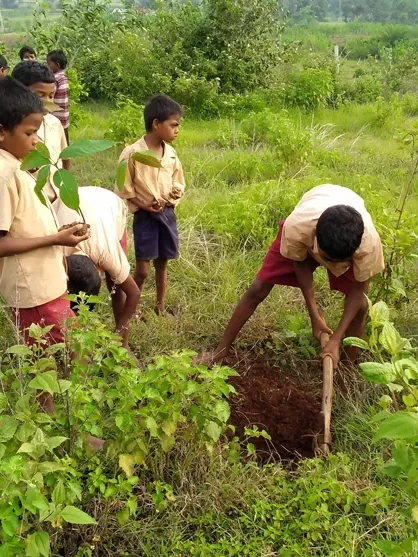
Hansda’s approach to environmental conservation goes beyond planting trees. He has actively engaged the local community through education and awareness programs. Utilizing his platform as a folk singer, Hansda composes and performs songs that highlight the importance of nature conservation and the rich cultural heritage of the Santhal tribe.
In addition, Hansda and his team have created graffiti on large rocks in the hills, depicting animals and plants with slogans in Bengali, urging villagers to protect the environment. These visual messages serve as constant reminders of the community’s role in preserving their natural surroundings.

Recognition and Impact
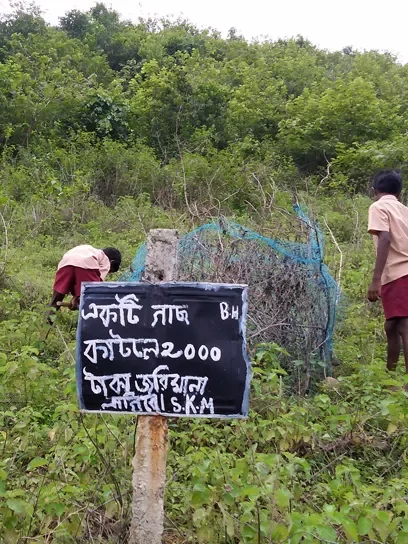
The success of Hansda’s afforestation project has garnered recognition from various quarters. The Forest Range Officer at Arsha Range, Purulia Division, acknowledges the significant impact of the plantation, stating that Hansda’s team has covered approximately 3 hectares of forest land, planting several local species and ensuring their protection.
Hansda’s initiative has also inspired other communities in the region to undertake similar environmental conservation efforts. His work exemplifies how grassroots movements, driven by passion and community involvement, can lead to significant positive changes in the environment.
Looking Ahead
While the transformation of the Ajodhya Hills is a testament to the power of collective action, Hansda remains committed to furthering his mission. Plans are underway to expand the afforestation project, incorporating more communities and extending the green cover in the region.

Hansda’s vision extends beyond environmental conservation; he aims to create a model where cultural heritage, education, and ecological sustainability go hand in hand. Through his efforts, he hopes to inspire future generations to value and protect their natural heritage.
Conclusion
Naren Hansda’s journey from a folk singer to an environmental activist underscores the profound impact one individual can have on their community and environment. By integrating cultural heritage with ecological conservation, Hansda has not only transformed a barren landscape into a thriving forest but has also fostered a sense of responsibility and pride among his community members.
His story serves as a beacon of hope and inspiration, demonstrating that with determination, collaboration, and a deep respect for nature, it is possible to restore and protect our planet for future generations.

Leave a Reply