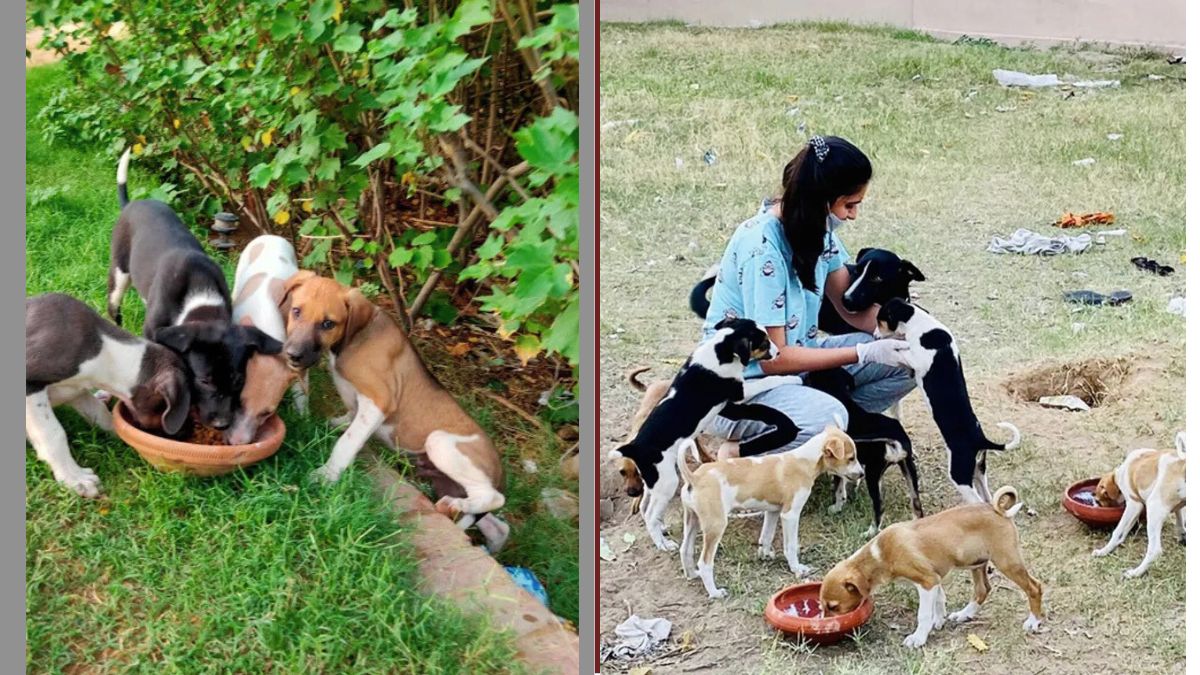
The COVID-19 pandemic brought unprecedented challenges to humanity, but it also highlighted the resilience and compassion of individuals who went beyond their own struggles to care for those in need. Among the most vulnerable during the lockdown were stray animals—dogs, cats, birds, and other creatures—who rely on human activity for food and care. With eateries closed and daily routines disrupted, these animals faced starvation and neglect. Yet, in the face of adversity, countless unsung heroes emerged, dedicating themselves to feeding and caring for these voiceless beings.
The Plight of Stray Animals During the Lockdown
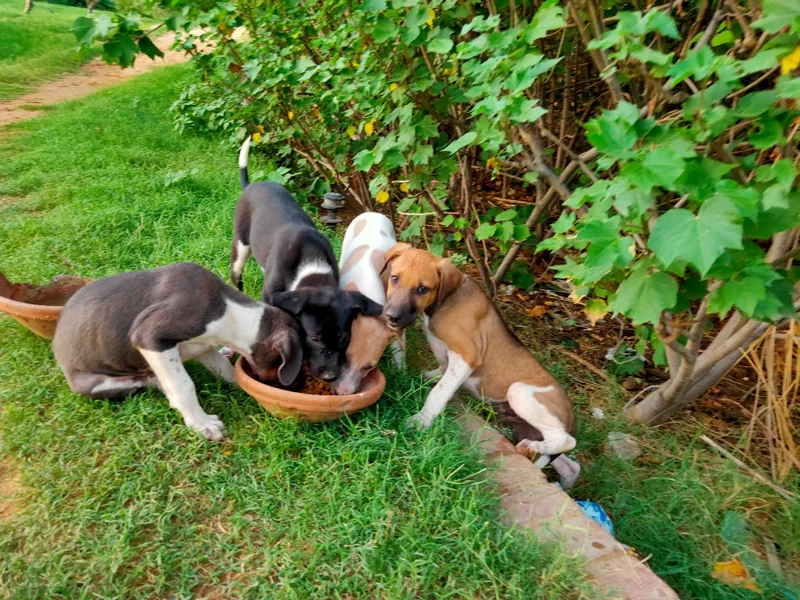
As cities came to a standstill, the streets that once bustled with activity became eerily quiet. For stray animals, this sudden change meant a loss of their primary food sources. With restaurants, shops, and markets shut, and fewer people on the streets, these animals found themselves searching desperately for sustenance. The absence of human presence also led to a lack of companionship and care, leaving many animals isolated and vulnerable.
In Jaipur, the situation was dire. Raksha, an animal welfare organization, recognized the urgent need to step in. Within days of the lockdown’s commencement on March 25, Raksha initiated a project to feed stray animals. What began with a modest team of 10 volunteers quickly expanded to 117 as the gravity of the situation became apparent. Their mission was clear: to ensure that no animal went hungry during these challenging times.
Collective Efforts: A Network of Compassion
Raksha’s initiative did not operate in isolation. Several other organizations joined forces, amplifying the impact of their efforts. Groups like Angel Eyes, Seva Samarpan Charitable Trust, ECO Rescuers Foundation, ARTH Foundation, Help in Suffering, Jaipur Animal Welfare Association, and Heartily Claws collaborated to address the growing crisis faced by stray animals.

Together, they provided a variety of nutritious meals tailored to the needs of different species. Chapati, khichdi, rice, jowar, gram, dog food, and fruits became staples in their feeding programs. These meals were not just about filling stomachs; they were about restoring dignity and hope to creatures who had been abandoned by circumstances beyond their control.
The Numbers Tell a Story
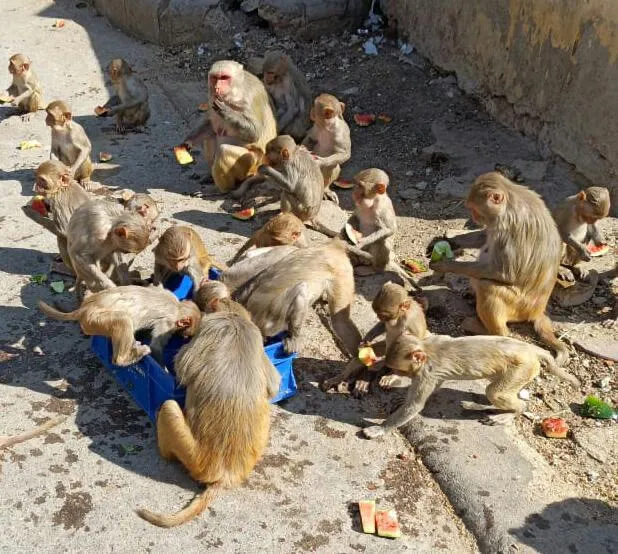
The scale of the initiative was staggering. By the end of the lockdown, over 6,50,880 meals had been served to stray animals, and an additional 2,63,900 meals were provided to birds. This monumental achievement was made possible through the tireless efforts of volunteers and the generous support of donors who believed in the cause.
The impact was not just in numbers but in the lives touched. Volunteers ventured out daily, often in the face of personal risks, to ensure that animals were fed. Their compassion knew no bounds, and their dedication became a beacon of hope during dark times.
A Glimpse into the Daily Routine
Each day, volunteers set out with bags filled with food, navigating the streets to reach their designated feeding spots. They approached stray dogs, cats, and even birds with gentle hands and kind words, offering sustenance and comfort. The sight of a hungry animal being fed was a testament to the power of human empathy.

In some areas, volunteers adapted their methods to reach animals in need. In Goa, for instance, lifeguards used Mahindra Thar vehicles to traverse the empty beaches and feed stray dogs who had been left without food due to the closure of shacks and the absence of tourists. This innovative approach ensured that even the most remote animals received care.
The Role of the Community
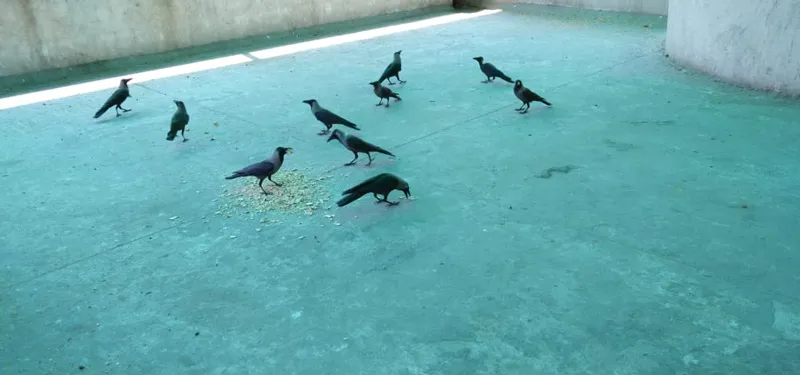
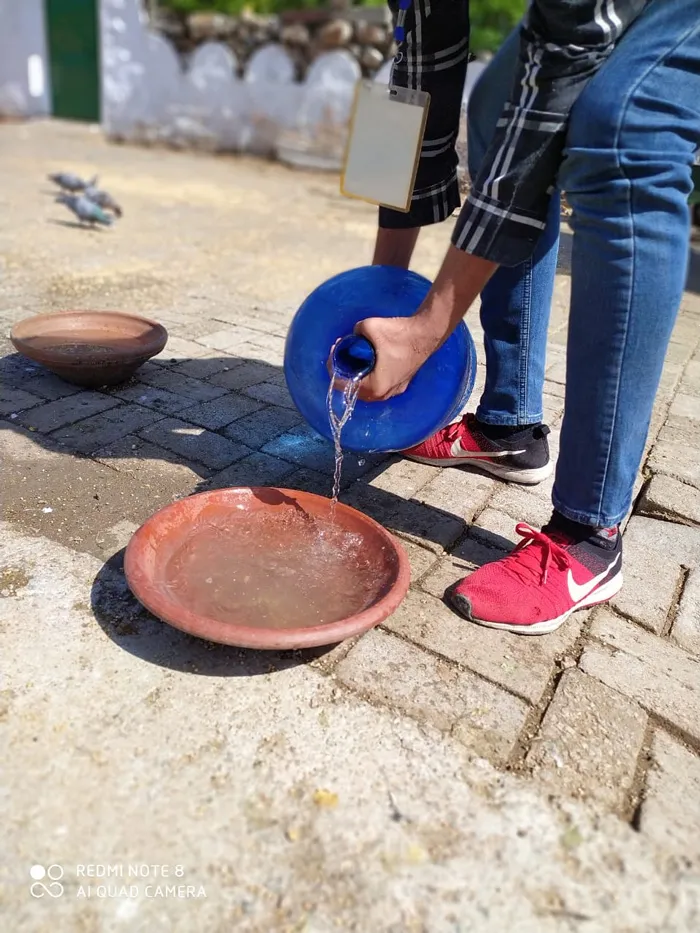
While organizations and volunteers played a pivotal role, the community’s involvement was equally crucial. Residents were encouraged to leave food and water outside their homes for stray animals. This simple act of kindness not only provided immediate relief but also fostered a sense of collective responsibility.
In Hyderabad, the Central University campus became a model for community-driven care. Students and faculty members collaborated to feed stray dogs, ensuring they had access to food and water. This initiative not only addressed the immediate needs of the animals but also promoted awareness about the importance of compassion towards all living beings.
Challenges Faced and Overcome
Despite the goodwill and efforts, the journey was not without challenges. The pandemic brought about logistical hurdles, including restrictions on movement and limited resources. Volunteers had to navigate these obstacles while ensuring the safety of both themselves and the animals they cared for.

In some regions, there were concerns about the safety of feeding stray animals, leading to restrictions and regulations. For instance, the Kolkata Municipal Corporation designated specific feeding zones and time slots to manage stray feeding activities. While such measures aimed to maintain order, they also highlighted the need for structured approaches to animal welfare.
The Lasting Impact
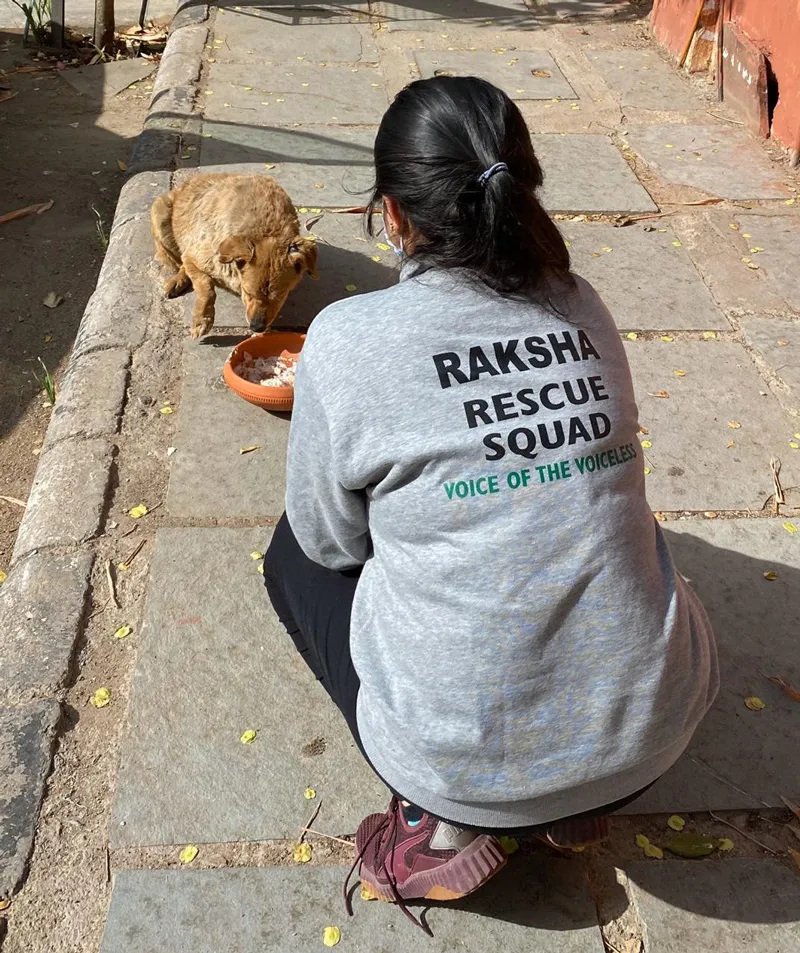
The efforts during the lockdown went beyond merely feeding animals; they sparked a movement of compassion and awareness. People from all walks of life came together, united by a common cause. The initiative not only alleviated the immediate suffering of stray animals but also laid the foundation for long-term change.
Organizations like Raksha continue their work, advocating for the welfare of animals and promoting sustainable practices. Their efforts serve as a reminder that even in the face of adversity, kindness and compassion can prevail.
Conclusion: A Call to Action
The COVID-19 lockdown underscored the interconnectedness of all life forms. While humans faced unprecedented challenges, the plight of stray animals highlighted the need for empathy and action. The collective efforts to feed and care for these animals serve as a testament to the power of community and compassion.

As we move forward, let us carry the lessons learned during these times. Let us continue to extend our hands to those in need, whether they walk on two legs or four. The hands that feed are the hands that heal, and together, we can create a world where every living being is treated with dignity and care.
If you would like, I can also create a shorter 500-word version of this article for quick reading. Would you like me to do that?
Leave a Reply