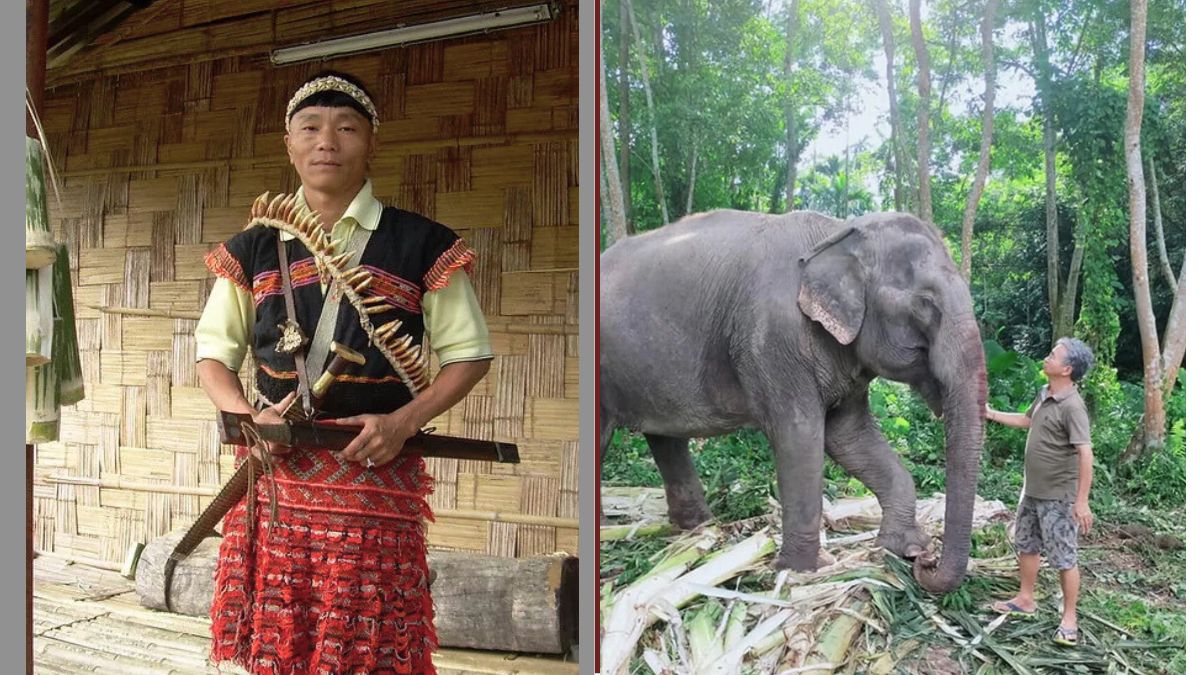
In the remote corners of Arunachal Pradesh’s Dibang Valley, where the Eastern Himalayas meet the Indo-Burma biodiversity hotspot, a transformative movement is underway. Spearheaded by Jibi Pulu, an Idu Mishmi environmentalist, this initiative uses ecotourism as a tool to shift the local community from being exploiters of natural resources to becoming its stewards and protectors.
The Genesis of a Conservationist

Born and raised in the Mishmi Hills, Jibi Pulu’s early life was steeped in the traditions and practices of the Idu Mishmi tribe. However, as he ventured into the world of travel and tourism, he witnessed firsthand the detrimental effects of unchecked development on the region’s fragile ecosystems. This realization prompted him to return to his roots and channel his energies into conservation efforts that would benefit both the environment and his community.

The Role of Ecotourism in Conservation
Recognizing the potential of ecotourism as a sustainable livelihood option, Jibi established the Mishmi Hill Camp in Roing, a town in Arunachal Pradesh. The camp serves as a base for eco-conscious travelers seeking to explore the pristine landscapes of the Dibang Valley. More than just a tourist destination, the camp functions as an educational hub where visitors learn about the region’s rich biodiversity and the importance of its preservation.
Through guided treks, bird watching expeditions, and cultural exchanges, tourists gain a deeper appreciation for the natural world. In turn, this fosters a sense of responsibility towards its conservation. The revenue generated from these activities provides an alternative income source for the local community, reducing their dependence on activities that harm the environment, such as hunting and logging.

Empowering the Idu Mishmi Community
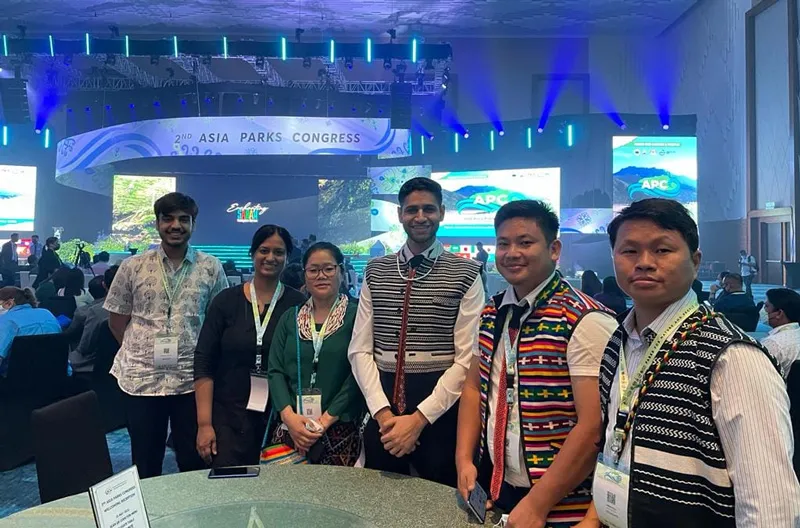
Central to Jibi’s conservation model is the active involvement of the Idu Mishmi people. Traditionally, hunting and resource extraction were integral to their way of life. However, Jibi’s efforts have led to a paradigm shift. By educating the community about sustainable practices and the long-term benefits of conservation, he has inspired many to become guardians of their natural heritage.
One of the significant achievements has been the establishment of the Elopa-Etugu Community Eco-Cultural Preserve (EECEP). This community-conserved area is a testament to the Idu Mishmi’s commitment to preserving their ancestral lands. Initiated by Jibi and supported by local youth, the EECEP aims to protect the region’s unique ecosystems and biodiversity while promoting sustainable development.

Biodiversity Conservation Efforts

The Dibang Valley is home to a plethora of endemic species, including the Mishmi takin, red panda, and various pheasant species. Recognizing the importance of these species to the region’s ecological balance, Jibi has implemented several conservation strategies. Camera traps have been set up to monitor wildlife populations, and data collected helps inform conservation policies and practices.
Furthermore, Jibi collaborates with researchers and conservation organizations to study the valley’s rich biodiversity. These partnerships have led to the identification of previously unknown species and have highlighted the area’s significance as a biodiversity hotspot.

Challenges and the Road Ahead
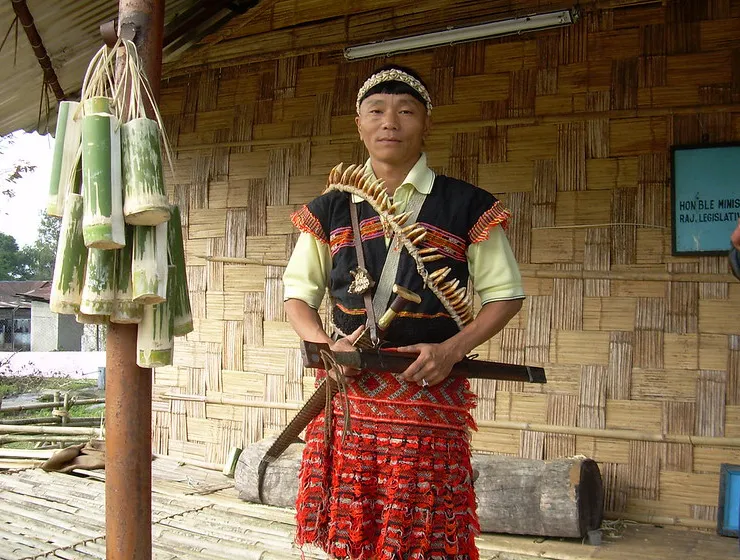
Despite the progress made, several challenges persist. The lure of short-term economic gains from activities like hunting and logging remains strong for some community members. Additionally, infrastructural limitations and lack of access to markets hinder the full potential of ecotourism.
To address these issues, Jibi advocates for policy support and infrastructure development that aligns with conservation goals. He emphasizes the need for education and awareness programs that highlight the long-term benefits of sustainable practices over immediate exploitation.

Conclusion
Jibi Pulu’s work in the Dibang Valley exemplifies the power of integrating traditional knowledge with modern conservation practices. By leveraging ecotourism, he has not only protected a vital ecosystem but has also empowered the Idu Mishmi community to take ownership of their natural heritage. As the world grapples with environmental challenges, Jibi’s model offers a beacon of hope, demonstrating that sustainable development and conservation can go hand in hand.
Leave a Reply