Watering houseplants can feel like a guessing game. Too much water, and roots rot; too little, and leaves droop or dry out. Many plant parents rely on schedules, “every three days” watering, or instinct — but guessing often leads to problems. The secret to thriving indoor plants is learning to read your plant and its soil to know exactly when it needs a drink.
In this guide, we’ll explore how to tell when it’s time to water, covering signs from soil texture to plant behavior, tools that simplify the process, and techniques to develop a confident, stress-free watering routine.
🌱 1. Why Accurate Watering Matters
Water is the lifeblood of plants. It:
- Delivers nutrients from soil to roots
- Supports photosynthesis and growth
- Maintains turgor pressure for upright, healthy leaves
- Regulates temperature through transpiration
Overwatering and underwatering are among the most common causes of indoor plant stress. Guesswork can lead to:

- Yellowing or wilting leaves
- Root rot or fungal growth
- Stunted growth
- Increased pest problems
Knowing when to water eliminates these risks, making your plants healthier, more resilient, and easier to maintain.
🌿 2. Learn to Read Soil Moisture
The first and most reliable way to determine if watering is needed is to check the soil. Different plants have different moisture needs, but these principles apply universally.
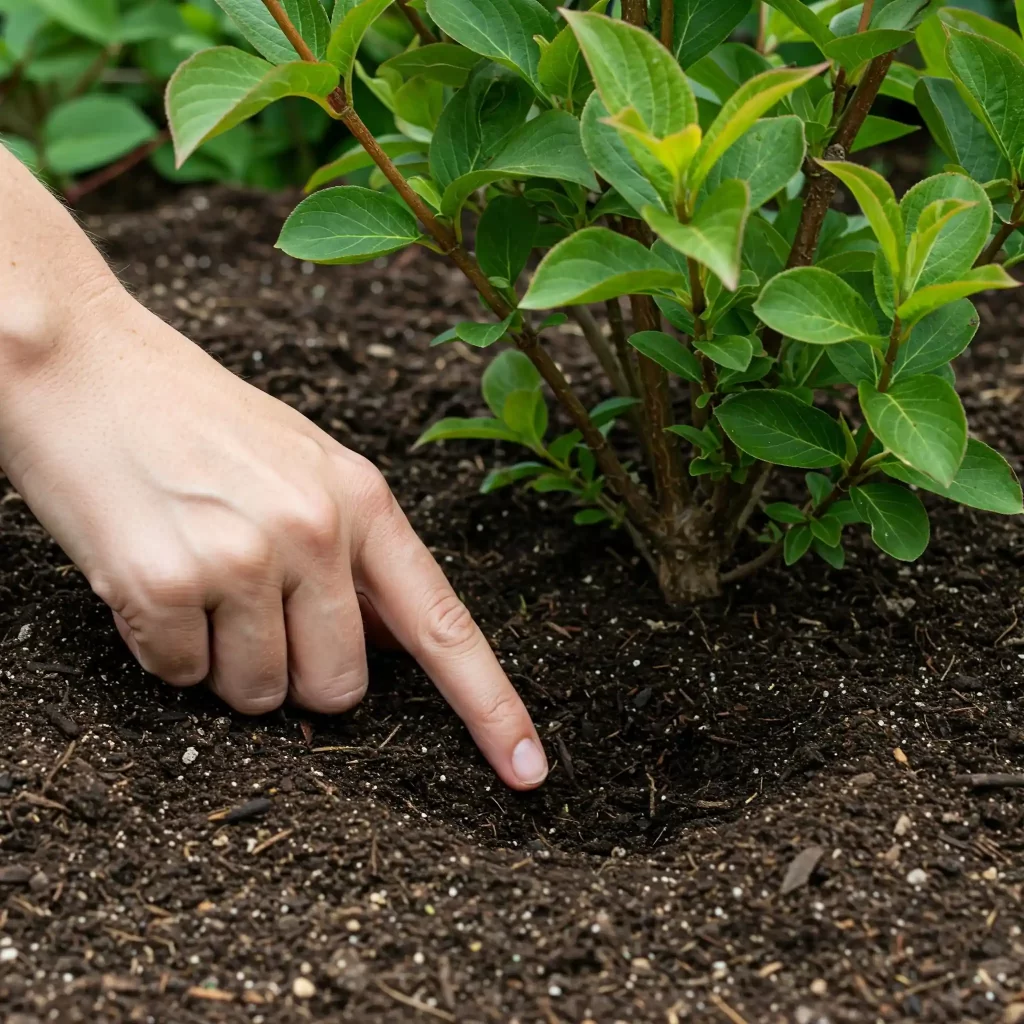
🌱 Finger Test
- Insert your finger about 1–2 inches into the soil.
- If it feels dry, it’s time to water.
- If it’s still moist, wait a day or two before checking again.
🌱 Skewer or Chopstick Test
- Insert a clean wooden skewer into the soil.
- Remove it and check for dampness or wet streaks.
- Dry streaks indicate it’s time to water.
🌱 Visual Inspection
- Soil color changes as it dries — dark soil is usually moist, lighter soil is drier.
- Cracking or pulling away from pot edges signals dryness.
👉 Pro Tip: Don’t rely solely on surface dryness. Always check at least 1–2 inches deep, as topsoil dries faster than roots.
💧 3. Observe Plant Behavior
Plants give subtle signals about their hydration needs. Paying attention to leaves, stems, and overall posture can help you water at the perfect time.

🌿 Drooping or Wilting Leaves
- Leaves may droop slightly when soil moisture is low.
- Succulents and cacti often wrinkle rather than droop when thirsty.
🌿 Leaf Curling or Browning Edges
- Dry soil can cause leaves to curl or develop crispy tips.
🌿 Slow Growth or Small New Leaves
- Prolonged underwatering can reduce nutrient uptake, stunting growth.
🌿 Leaf Color Changes
- Yellow leaves may indicate overwatering, while brown or dry leaves often indicate underwatering.
🌿 Stalk or Stem Flexibility
- Bend a leaf or stem gently: if it’s limp or soft, check soil moisture.
🌾 4. Use Simple Tools to Know Soil Moisture
Technology can make determining watering needs easier, especially if you have multiple plants:
🌿 Moisture Meters
- Affordable, easy-to-use devices that measure soil moisture levels.
- Provides instant readings at the root zone.
🌿 Capillary Watering or Wicking Pots
- Helps maintain consistent moisture, reducing guesswork.
- Ideal for tropical plants or those that need even soil hydration.
🌿 Self-Watering Systems
- Reservoirs provide water as needed, letting the plant drink on demand.
- Reduces risk of overwatering and underwatering.
🌱 5. Understand Your Plant’s Watering Needs
Different species require different hydration routines. Learn the natural environment of your plant to gauge watering frequency:
🌿 Succulents and Cacti
- Thrive with long dry periods between waterings.
- Water only when soil is completely dry.
🌿 Tropical Foliage Plants (Philodendrons, Pothos, Monstera)
- Prefer evenly moist soil but can tolerate slight drying between waterings.
- Avoid letting them sit in soggy soil.
🌿 Ferns and Calatheas
- Enjoy consistently moist soil.
- Light surface drying is fine, but never let soil dry completely.
🌿 Herbs (Basil, Mint, Rosemary)
- Require regular watering for optimal flavor and growth.
- Soil should be damp but well-draining.
🌸 6. Seasonal Adjustments
Watering needs change with season, light, and indoor temperature:
🌞 Spring and Summer
- Plants are actively growing and transpiring more.
- Water more frequently, but check soil first.
❄️ Fall and Winter
- Growth slows, and water absorption decreases.
- Water less often, even if the top layer dries out quickly.
🌬️ Indoor Climate
- Heaters and air conditioners dry soil faster.
- Group plants or use humidity trays to moderate moisture loss.
🌾 7. Prevent Overwatering Mistakes
Many plant problems come from watering too soon or too much. Tips to avoid overwatering:

- Check soil before watering — not just the schedule.
- Water deeply, not frequently — allow excess water to drain.
- Ensure proper drainage — never let pots sit in standing water.
- Avoid mistaking leaf droop for thirst — sometimes drooping is caused by heat, low humidity, or disease.
🌿 8. Prevent Underwatering Mistakes
Underwatering can be just as harmful. Common pitfalls include:
- Ignoring the soil — don’t rely only on leaf appearance.
- Assuming small pots dry slower — they often dry faster due to less soil volume.
- Waiting too long — prolonged dryness stresses roots and slows growth.
💡 Tip: Keep a watering chart for different species to track how quickly they dry in your environment.
🌱 9. Developing a Watering Routine Without Guessing
Here’s a practical approach to maintain healthy watering habits:
- Check soil depth: Use your finger or moisture meter regularly.
- Observe leaves: Note changes in posture, color, or texture.
- Consider environment: Adjust based on light, temperature, and humidity.
- Track water frequency: Maintain a simple log for each plant.
- Adjust for plant type: Succulents, tropicals, and moisture-loving plants all have different thresholds.
Over time, you’ll intuitively know when each plant needs water — without guesswork.

🌸 10. Bonus Tip: Combine Drying and Moistening Cycles
Allowing plants to partially dry between watering mimics natural conditions and strengthens roots:
- Dry soil encourages roots to grow deeper.
- Moisture cycles prevent waterlogging and improve nutrient uptake.
- Tropical plants benefit from slight topsoil drying without completely dehydrating.
This balance helps plants thrive even in fluctuating indoor conditions.
🌿 11. Signs of Proper Watering
When your watering routine is on track, plants will show subtle but clear signs of health:
- Leaves are upright, vibrant, and firm
- New growth appears regularly
- Soil absorbs water without pooling
- Roots remain white and healthy when occasionally checked
🌱 Final Thoughts
Watering is not about rigid schedules or guessing. It’s about listening to your plants and observing their soil and environment. By checking soil moisture, reading plant cues, and adjusting for seasonal changes, you can water at the right time, every time.

Healthy watering habits lead to strong roots, vibrant leaves, and thriving indoor plants — without stress or guesswork. Your indoor garden will reward you with resilience, lush foliage, and steady growth. 🌿💧
Leave a Reply