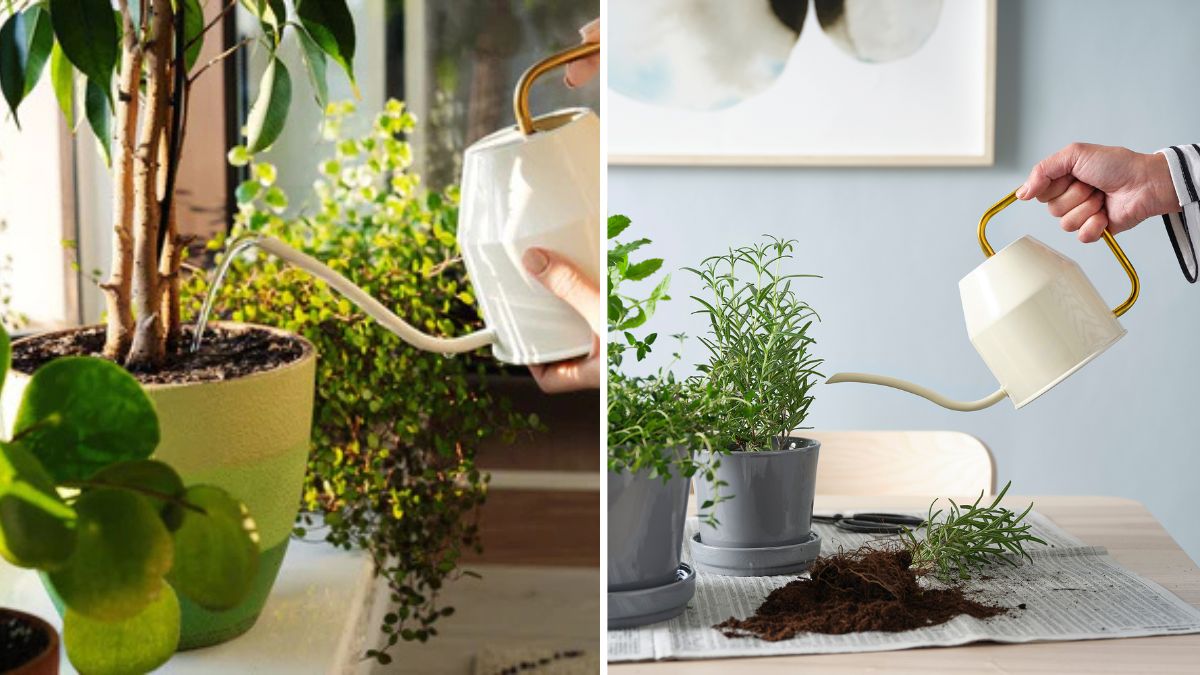
Watering houseplants seems simple — yet for many plant parents, it’s one of the trickiest aspects of indoor gardening. Overwatering, underwatering, and inconsistent watering schedules are common problems. Luckily, having the right tools makes all the difference. From delicate succulents to thirsty tropical plants, the proper watering tools can save time, prevent root rot, and promote healthier growth.
In this guide, we’ll explore the best watering tools for every type of plant parent, why they’re important, and how to use them effectively.
🌱 1. Why the Right Watering Tools Matter
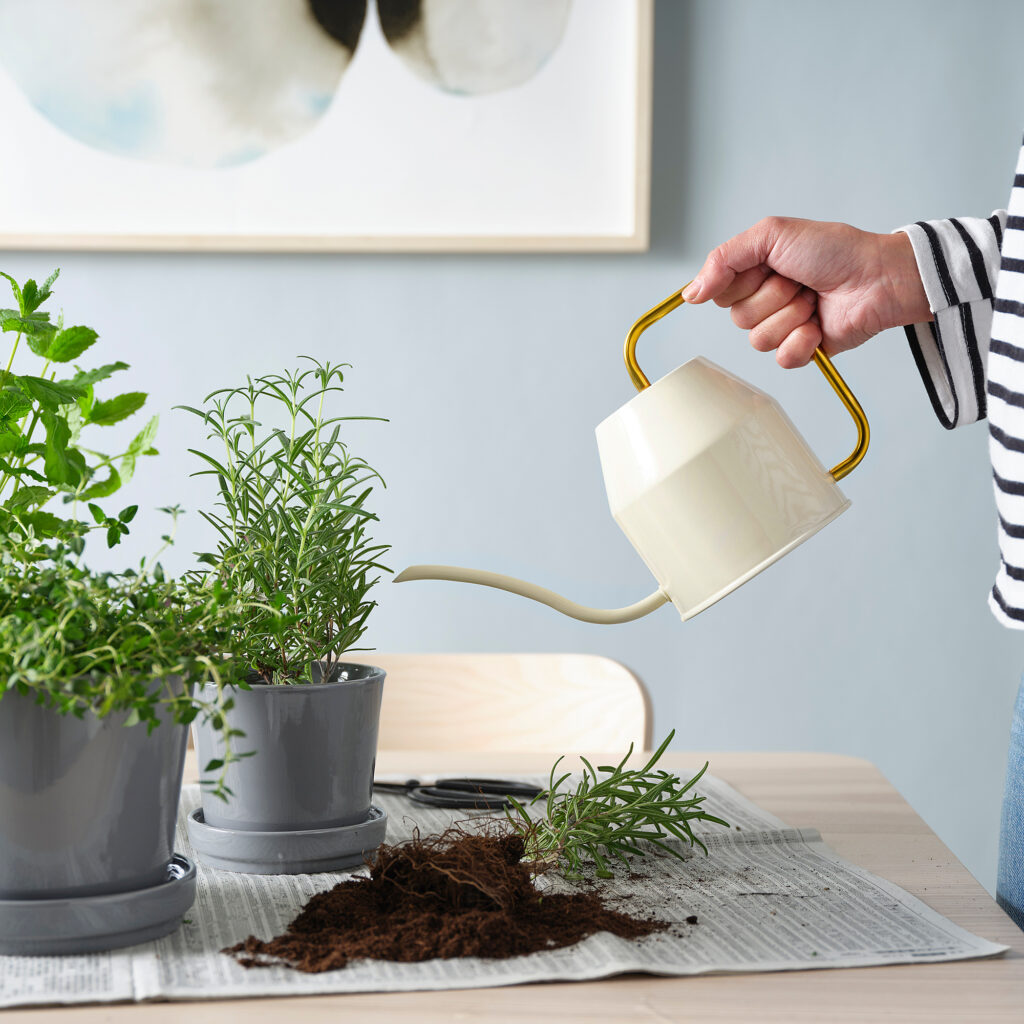
Using the right watering tool is not just about convenience. It impacts your plant’s health:
- Ensures even water distribution
- Reduces soil compaction and erosion
- Prevents overwatering or runoff
- Makes it easier to reach tricky corners or hanging plants
- Supports a stress-free watering routine
Even experienced plant parents sometimes struggle with uneven watering, but the right tools make it nearly effortless.

🌿 2. Watering Cans: Classic and Versatile
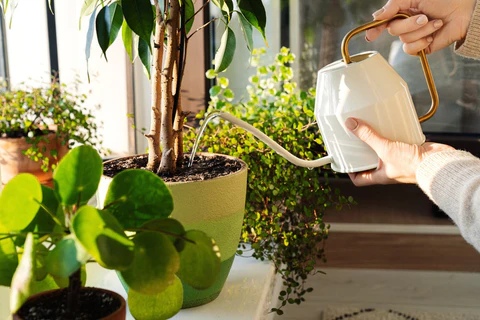
The watering can is a timeless tool for any plant parent. Its benefits include precision, control, and the ability to reach plants of varying heights.
🌱 Features to Look For:
- Long, narrow spout: Perfect for directing water at the base of plants without wetting leaves.
- Lightweight material: Aluminum, plastic, or stainless steel for easy handling.
- Capacity choice: Small cans (0.5–1 liter) for desk plants, larger cans (2–3 liters) for bigger indoor gardens.
🌿 Ideal For:
- Tropical plants: Moisture-loving plants benefit from targeted watering at the soil.
- Indoor shrubs or foliage plants: Helps water evenly without splashing.
- Beginners: Easy to control, simple to use.
💡 Pro Tip: Avoid watering leaves of tropical plants to prevent fungal infections; focus on the soil surface.
💧 3. Spray Bottles: Gentle Hydration
Spray bottles are more than a tool for misting. They help increase humidity, clean leaves, and lightly water delicate plants.
🌱 Features to Look For:
- Adjustable nozzle: Fine mist or gentle stream
- Durable plastic or glass bottle
- Comfortable hand grip for frequent use
🌿 Ideal For:
- Ferns and Calatheas: Benefit from extra humidity without saturating the soil.
- Orchids and air plants: Mist leaves and roots for hydration.
- Seedlings or small pots: Provides gentle watering without washing away soil.
💡 Pro Tip: Keep spray bottles clean to avoid bacterial or fungal growth, which can spread diseases.

🌾 4. Self-Watering Pots and Reservoir Systems
For plant parents with busy schedules, self-watering pots are game-changers. These pots allow plants to draw water as needed from a reservoir, reducing the risk of overwatering or dehydration.
🌱 Features to Look For:
- Water reservoir capacity appropriate for pot size
- Wicking system that transfers moisture to the soil
- Transparent indicators to monitor water level
🌿 Ideal For:
- Tropical plants: Maintain consistent moisture without daily watering.
- Vacation or busy schedules: Ensures plants stay hydrated while you’re away.
- Foliage and flowering plants: Prevents stress from inconsistent watering.
💡 Pro Tip: Fill the reservoir with water and add slow-release fertilizer for continuous nutrition.
🌿 5. Soil Moisture Meters: Precision Watering
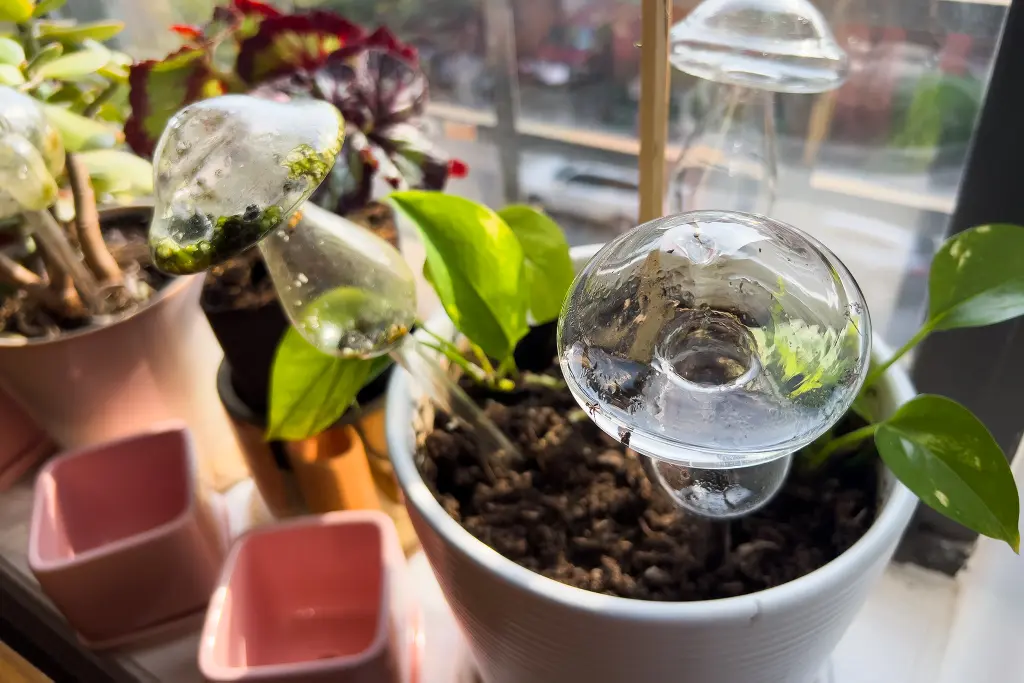
If guessing whether to water has caused you stress, a soil moisture meter can eliminate uncertainty. These handy devices measure moisture levels at the root zone, letting you water only when needed.
🌱 Features to Look For:
- Easy-to-read moisture scale (dry, moist, wet)
- Probe length suitable for small and large pots
- Battery-free options for simplicity
🌿 Ideal For:
- Beginners: Ensures you never over- or under-water.
- Large collections: Helps manage watering schedules for multiple plants.
- Sensitive plants: Succulents, cacti, and tropical species with precise moisture needs.
💡 Pro Tip: Insert the probe gently between the roots to avoid damage, and avoid leaving it in the soil continuously.

🌾 6. Drip Irrigation Systems: Automated Care
For avid indoor gardeners or large plant collections, drip irrigation systems are a modern solution. These systems deliver water directly to each plant’s soil, minimizing waste and maintaining consistent hydration.
🌱 Features to Look For:
- Adjustable drip rates for different plants
- Timers for automated watering
- Easy-to-install tubing system compatible with indoor pots
🌿 Ideal For:
- Plant enthusiasts with dozens of pots: Keeps water flow consistent.
- Busy plant parents or office spaces: Ensures plants are watered on schedule.
- Tropical and moisture-loving plants: Provides consistent soil hydration without overwatering.
💡 Pro Tip: Pair with a moisture meter to calibrate drip rates for each plant type.
🌿 7. Squeeze Bottles and Pippettes: Perfect for Small Plants
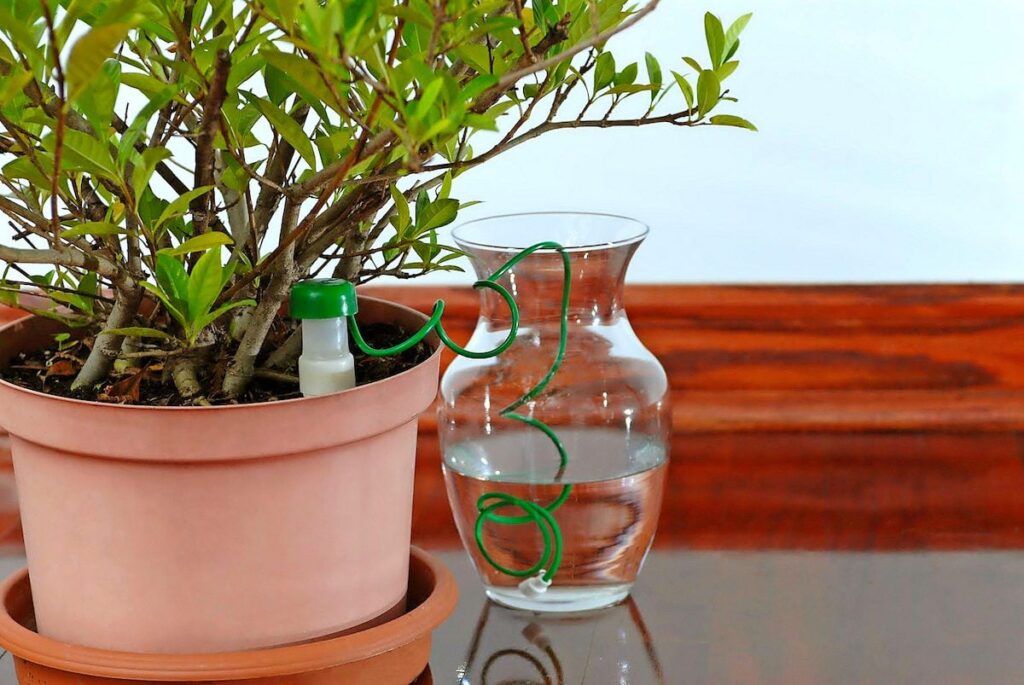
Small pots, seedlings, and terrariums benefit from precise, controlled watering. Squeeze bottles, pipettes, or even small syringes allow you to direct water exactly where it’s needed without disturbing soil.
🌱 Features to Look For:
- Fine tip for targeted watering
- Clear bottle for monitoring water amount
- Soft material for gentle control
🌿 Ideal For:
- Succulents and bonsai: Avoids water pooling in small pots.
- Seedlings or propagations: Delivers hydration to delicate roots.
- Terrariums: Prevents excess water buildup in enclosed spaces.
💡 Pro Tip: Use this tool to water just enough to moisten soil without letting water sit on the surface.

🌾 8. Bottom Watering Trays: Encouraging Deep Roots
Bottom watering is an excellent method for plants that dislike wet leaves. Place the pot in a shallow tray of water, allowing the soil to absorb moisture from the bottom up.
🌱 Benefits:
- Encourages deep root growth
- Prevents fungal problems on leaves
- Ideal for plants sensitive to overwatering
🌿 Ideal For:
- African violets, ferns, and begonias
- Houseplants with dense foliage that traps water on leaves
- Busy plant parents: Tray holds water while soil absorbs gradually
💡 Pro Tip: Limit bottom watering to 20–30 minutes, then remove excess water to prevent root rot.
🌿 9. Choosing the Right Tool for Your Routine
When selecting watering tools, consider:
- Plant types: Succulents, tropicals, or small seedlings require different techniques.
- Pot size: Large pots need watering cans or drip systems; small pots benefit from pipettes or spray bottles.
- Schedule: Busy plant parents may prefer self-watering pots or automated drip systems.
- Indoor setup: Hanging plants, shelves, and terrariums may need specialized tools for easy access.
No single tool works for every plant. Many plant parents use a combination: a watering can for general care, a spray bottle for humidity-loving plants, and a moisture meter for precision.

🌱 10. Bonus Tips for Effective Watering
- Water at the Right Time: Early morning or late afternoon is best to reduce evaporation and allow roots to absorb water.
- Use Room-Temperature Water: Cold water can shock roots; lukewarm water is ideal.
- Check Drainage: Ensure pots have holes and trays to prevent waterlogging.
- Rotate Plants Occasionally: Ensures all roots get access to water evenly.
- Clean Tools Regularly: Prevents bacterial and fungal contamination.
🌿 11. Final Thoughts
Watering may seem simple, but it’s one of the most important aspects of indoor plant care. The right tools can make a huge difference, whether you’re a beginner or an experienced plant parent. From classic watering cans to modern drip irrigation systems, there’s a tool for every style, schedule, and type of plant.
By combining the right tools with careful observation, you can ensure your plants receive water precisely when they need it, encouraging strong roots, lush foliage, and thriving growth. With the right approach, watering becomes not a chore, but a satisfying part of nurturing your indoor jungle. 🌿💧
Leave a Reply