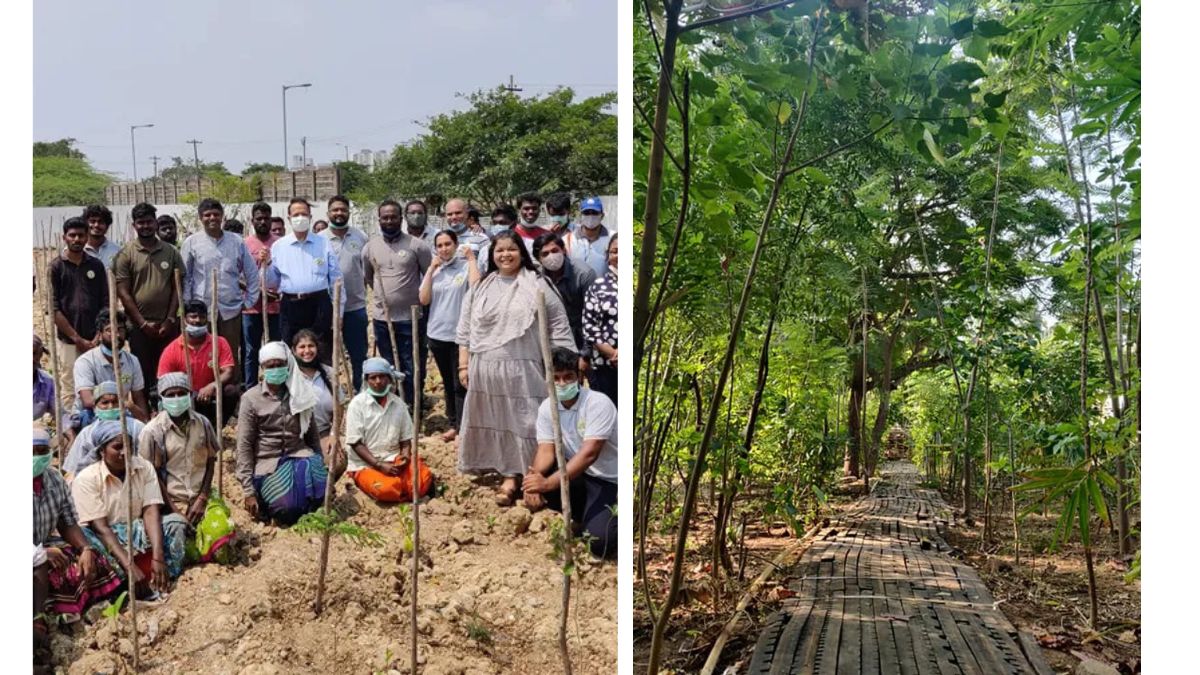
In a city rapidly swallowed by concrete and traffic, the call for green spaces becomes louder every year. Chennai, one of India’s largest and most densely populated cities, is no exception: urban expansion, air pollution, soil erosion, and loss of natural habitat have all taken their toll. But in recent years, a grassroots movement has been quietly pushing back—planting, nurturing, and restoring green patches that act as not just beautification, but as vital ecology, breathing life back into the city. At the forefront is Thuvakkam, a Chennai-based NGO whose name means “the beginning” in Tamil. Their work is showing how native forests, revived in urban settings, can become “green lungs” for people and biodiversity alike.
Origins: from small beginnings to a big vision
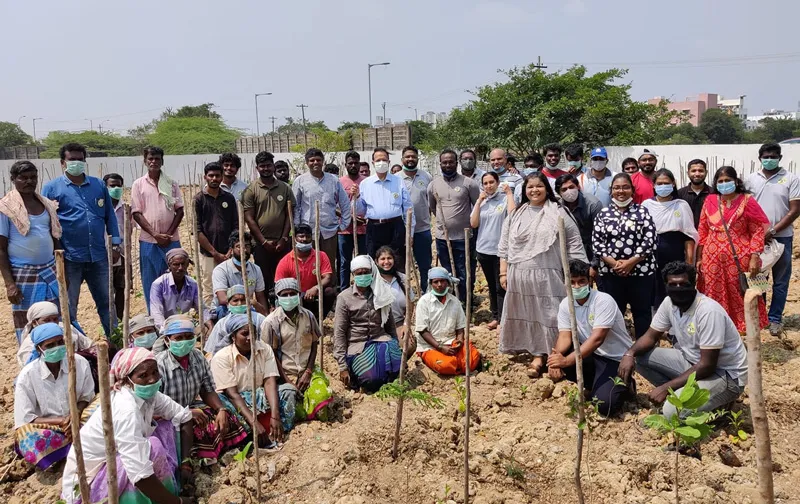
The story of Thuvakkam begins in 2014, when a group of final-year college students at SRM Institute of Science and Technology decided they needed to do something rather than just complain about degradation. They started with simple tree planting drives on their campus, and gradually expanded to public spaces in and around Chennai. As they grew, so did their ambition: they saw empty, degraded lands, soil erosion after Cyclone Vardah (2016), and diminishing tree cover, and realised there was a need not just to plant scattered trees, but to recreate entire miniature forests in the city.
What sets Thuvakkam apart is not only their scale but their thoughtfulness. They didn’t just plant trees willy-nilly. They started studying the local ecology deeply: examining old maps, talking to elders about what species used to thrive, checking soil characteristics, and identifying native species appropriate for Chennai’s climate and terrain. Their aim was to bring back forests that are native, dense, fast-growing, and ecologically functional—not just decorative patches.
The Miyawaki method: densifying and accelerating forest growth
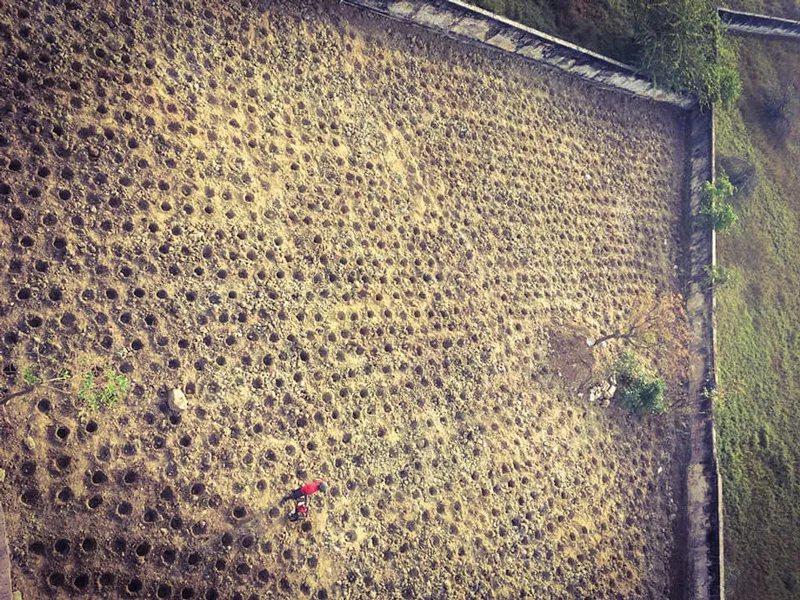
One of the key techniques Thuvakkam adopted and adapted is the Miyawaki method, developed by Japanese botanist Akira Miyawaki. This method aims to create dense, native forests in small urban plots by planting saplings close together, using multiple layers of vegetation (shrubs, subtrees, canopy), enriching the soil, and giving the forest intensive care in its early years. The big advantages are faster growth, greater density, quicker establishment of micro-climates, and higher biodiversity compared to conventional plantation methods.

Thuvakkam began experimenting with this technique in late 2018, planting their first small Miyawaki “mini-forest” in Chromepet, Chennai. Using native species like poovarasu (Portia), mantharai (mountain ebony), and magizham (medlar), they planted densely and layered the plot with soil amendments, compost, coco peat or water retainers, mulch, etc. Volunteers learned how to modify the technique for local conditions—ensuring proper drainage, matching local rainfall, and selecting trees that can survive Chennai’s heat, monsoons, and urban stress.
The result: in many cases, patches of what were barren or underused land transformed into dense, fast-growing green spaces within a few years. The growth of trees was visibly faster, and the patches sequestered carbon, reduced heat, supported soil moisture, and attracted wildlife sooner than conventional plantings.
From saplings to forests: scale, impact, challenges
Since their first projects, Thuvakkam has expanded its operations significantly. They have planted over 65,000 trees in Tamil Nadu over several years, and have created around 25 Miyawaki mini-forests in Chennai and surrounding districts (such as Sholinganallur, Mugalivakkam, Omandurar hospital, and more). Some of these forests are already dense and tall, with new species of insects, birds, and butterflies returning to areas that had lost tree cover.
In one remarkable example, Thuvakkam planted 2,800 saplings in a 15,000 sq ft area in Mugalivakkam. Within eight months, the site had begun to resemble a forest—lush foliage, healthy ground cover, and signs of wildlife presence. Meanwhile, in Poonamallee, another afforestation project saw similar rapid growth.

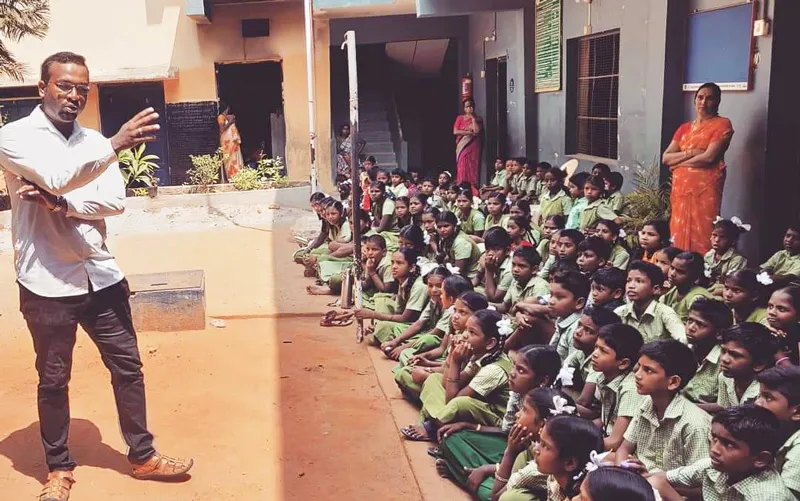
Restoring green cover in Chennai hasn’t just been about nature: it’s also about community. Thuvakkam now boasts nearly 1,500–1,800 volunteers, including students, professionals, and local residents, who help with planting, watering, weeding, and tending in the first crucial years. They also run “Give a Tree” programmes, awareness campaigns in schools, outreach through street theatre, and citizen registration of trees. These efforts foster a sense of collective responsibility for the forests and their long-term survival.
Ecological, climatic, and social benefits
1. Improving air quality and reducing heat
Dense green cover absorbs pollutants, particulates, and noise. In a city like Chennai, where pollution contributes to significant health burdens, these mini-forests act as “lungs” filtering the air and mitigating the “urban heat island” effect. The shade and transpiration from dense foliage lower local temperatures, making nearby areas more livable.
2. Enhancing biodiversity
Because Thuvakkam focuses on native species and multilayered planting, their urban forests support a diversity of insects, birds, and butterfly species. Many species that disappeared from urban neighbourhoods are returning, creating small ecological havens amid concrete.
3. Soil and water benefits
Dense planting helps stabilize soil, reduce erosion, and improve water infiltration. Some of these patches help recharge groundwater in their immediate surroundings, act as buffers during monsoons, and reduce surface runoff.

4. Community and health
Green spaces contribute to mental and physical well-being. Thuvakkam’s forests offer residents a space for relaxation, walks, and connection with nature. The volunteer process also builds awareness and pride in environmental stewardship.
5. Education and awareness
Through programmes in schools and colleges, Thuvakkam engages young people not only in the act of planting, but in understanding ecology, environmental justice, and the role of native forests in climate resilience.
6. Carbon sequestration
While small, these forests contribute to climate mitigation by sequestering carbon in biomass and soil—even small patches matter when aggregated across urban landscapes.
Adapting Miyawaki to Indian conditions: lessons and caveats
While the Miyawaki method shows promise, Thuvakkam’s experience has also highlighted several important caveats and adaptations:

- Use of locally suitable species: Choosing native trees that are accustomed to local soil, rainfall, temperature, and pests is critical. Thuvakkam consults elders, historical records, and existing ecology to identify which species to plant.
- Soil preparation and water retention: Many urban lands are degraded or compacted. Thuvakkam modifies the standard Japanese method—with compost, water-retainers, mulch, and proper layering—to ensure roots can penetrate and survive Chennai’s rainy/dry cycles.
- Maintenance in early years: Dense planting means strong competition among saplings; weeds, water stress, pests, and root rot are real risks. Thuvakkam commits to at least two years of active care, watering, mulching, and replacing failed saplings. Without this, many trees would die.
- Cost and resources: Establishing Miyawaki forests is more expensive per square metre than sparse plantation. There is labour, soil amendment, regular watering, and initial capital cost. Moreover, equipment like excavation machinery is sometimes required.
- Scale and impact: Miyawaki forests are excellent for pockets of greening, micro-climates, and demonstration sites but are not a substitute for large, functioning natural forests. Experts caution that while they are great for urban heat, biodiversity pockets, and community engagement, they should complement, not replace, broad ecological restoration.
Scaling up and led by example: Thuvakkam’s forward vision
Thuvakkam isn’t stopping at Chennai. They are working across Tamil Nadu, including Vellore and Tuticorin, expanding their philosophy of “green lungs” into more districts. Their longer-term goals include:
- Introducing honey bee cultivation inside urban forests, to link biodiversity conservation with livelihood opportunities. A trial is underway in Thoothukudi.
- Designing ecoscaping models around urban forests: pathways, nature-connect hubs, eco-play areas, solar street lamps, and small ponds to integrate people into the forest ecosystem.
- Continuing and expanding environmental education, integrating forest creation with school curricula and community activities to instil responsibility in the younger generation.
- Building collaborations with government, CSR, and private landowners to gain access to more plots and ensure maintenance and protection of planted patches.
The experience of Thuvakkam has also inspired similar efforts in other Indian cities. For example, in Thiruvananthapuram, the government and NGOs are using the Miyawaki method to create mini forests in palace grounds, schools, and public land. The idea of “green islets” and pocket forests is spreading.
Challenges, sustainability, and future directions
As with any ambitious ecological restoration effort, Thuvakkam faces challenges:
- Securing land: Finding government, private, or institutional plots that can be converted into forests is difficult. Landowners may not see immediate returns or are reluctant to allot space permanently for non-commercial use.
- Water constraints: Periodic droughts and water scarcity pose risks to sapling survival. Thuvakkam depends on community support, volunteer watering, and sometimes local bodies to ensure continuity.
- Urban pressures: Even after planting, urban expansion, pollution, construction, and illegal encroachments threaten newly planted areas. Protection and monitoring are required.
- Measuring long-term impact: It’s relatively easy to plant trees; it’s harder to demonstrate ecological benefits over many years in a data-driven way that influences policy and urban planning.
Yet despite these, Thuvakkam’s progress is encouraging. More than 30 forests have been created, involving tens of thousands of trees, and supporting increasing biodiversity, cleaner air, better soil, and community engagement. Their model shows that restoring urban green cover is possible through thoughtful science, inclusive participation, and continuous care.

Conclusion: planting today for tomorrow’s cities
The initiative by Thuvakkam isn’t just about beautifying Chennai. It is about restoring ecological balance, creating climate-resilient landscapes, improving public health, and reintroducing nature into daily urban living. The Miyawaki forests may be compact, but their ripple effects are expansive—seeding biodiversity, micro-climate regulation, soil stability, educational transformation, and community activism.
As global cities face intensifying climate, pollution, and land-use challenges, the concept of dense, biodiverse, native forests in urban pockets becomes increasingly relevant. Thuvakkam’s journey shows us that even in concrete jungles, there is room for forest, and that restoring green cover is both possible and necessary. If cities are the lungs of modern civilisation, these forests are the fresh air the lungs need to survive—and thrive.
If you like, I can also prepare a case study style article with soil data, species list, satellite before-and-after imagery, or a “how to replicate Thuvakkam’s model in your city” version.
Leave a Reply